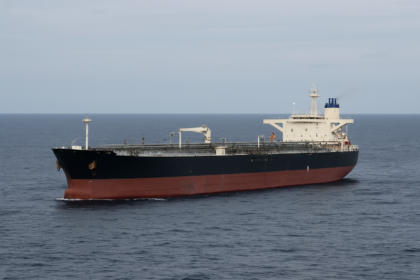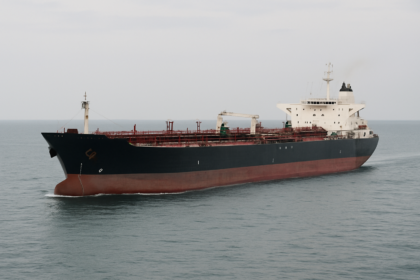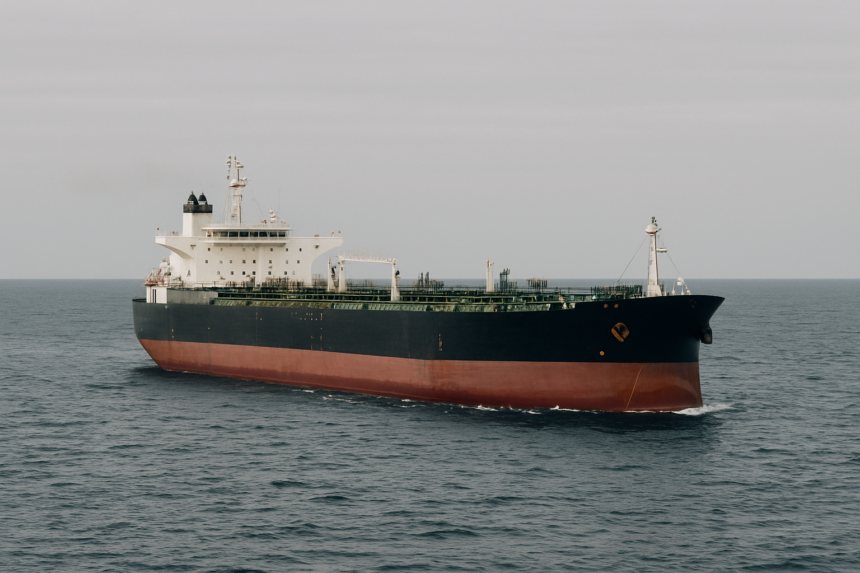
Ships are now permitted to transit the southern route of the Strait of Hormuz at all hours with their automatic identification system (AIS) signals activated, according to an advisory issued by the Joint Maritime Information Center (JMIC). This significant update comes as energy traders and shipowners seek clarity on the resumption of normal maritime operations in the vital chokepoint.

Operational Guidance
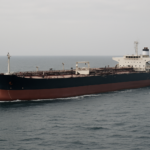
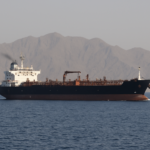
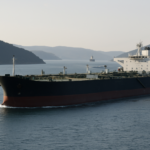
The JMIC’s advisory states that coordination with the U.S. Navy is not necessary when passing through this area along the coast of Oman. This change in guidance contrasts with recent declarations from Iran, where vessels were required to obtain permission from Tehran for transit. A few vessels, including a notable oil supertanker, reportedly began using the southern route with their satellite signals activated as of early Saturday.
While the easing of restrictions is expected to facilitate the flow of maritime traffic, it is important to note that ongoing spoofing and jamming incidents in the region complicate the verification of these signals. Additionally, two Chinese fuel tankers were observed departing through the Iranian route, highlighting the volatility and mixed messages surrounding shipping in the area.

Market Implications
Following the recent U.S.-Iran peace deal, traffic through the Strait of Hormuz saw a surge on Thursday, but quickly tapered as uncertainties emerged regarding the safety of routes. Before the conflict escalated, the strait was responsible for transporting approximately a fifth of the world’s oil supply. The potential reopening of this crucial passage is likely to release significant quantities of trapped crude into the market, which has already seen prices tumble over 35% from their peak during the height of the conflict.
Mariners have been advised to keep their navigational lights on, use their radars, and employ normal VHF communications while transiting, thus enhancing their visibility and communication capabilities in the area. Despite the current reassurance, caution is urged due to the possibility of congestion. Mine sightings have been reported near Oman, although the U.S. Navy previously indicated that the southern route remains free of mines.
The Operational Read
The current advisories signify a crucial shift in operational readiness for maritime players in the Gulf region. This guidance will likely increase shipping activity as vessels no longer face the operational bottleneck of mandatory coordination with the U.S. Navy. Operators should remain vigilant about potential congestion as traffic begins to normalize and monitor the evolving threat levels related to mines and geopolitical tensions. Continuous updates from the JMIC and U.S. military will be essential in adapting navigation strategies, while the broader market will be watching how these developments impact oil supply and pricing.