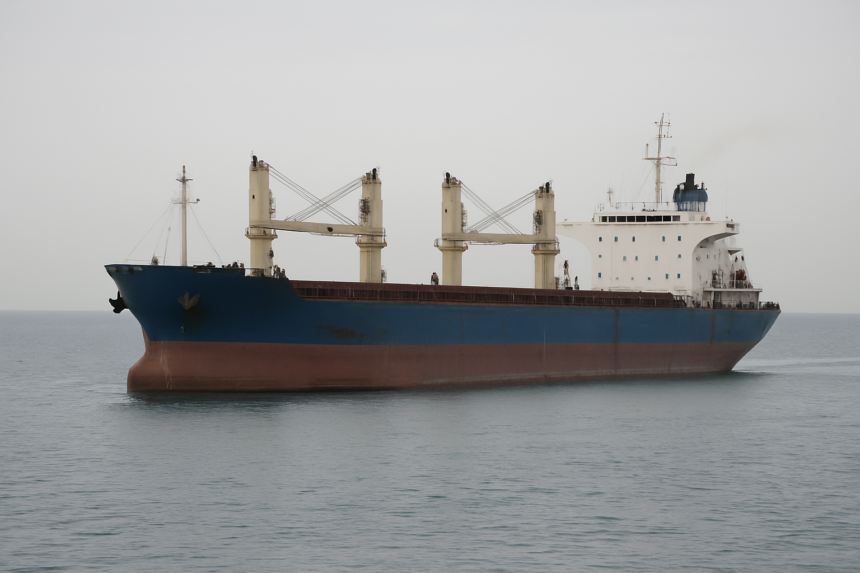
The United States has formally lifted its maritime blockade of Iran, a move that is expected to significantly alter shipping dynamics in the Arabian Gulf. U.S. Central Command (CENTCOM) announced the end of all enforcement operations targeting vessels transiting to and from Iranian ports, fulfilling a directive from the President.
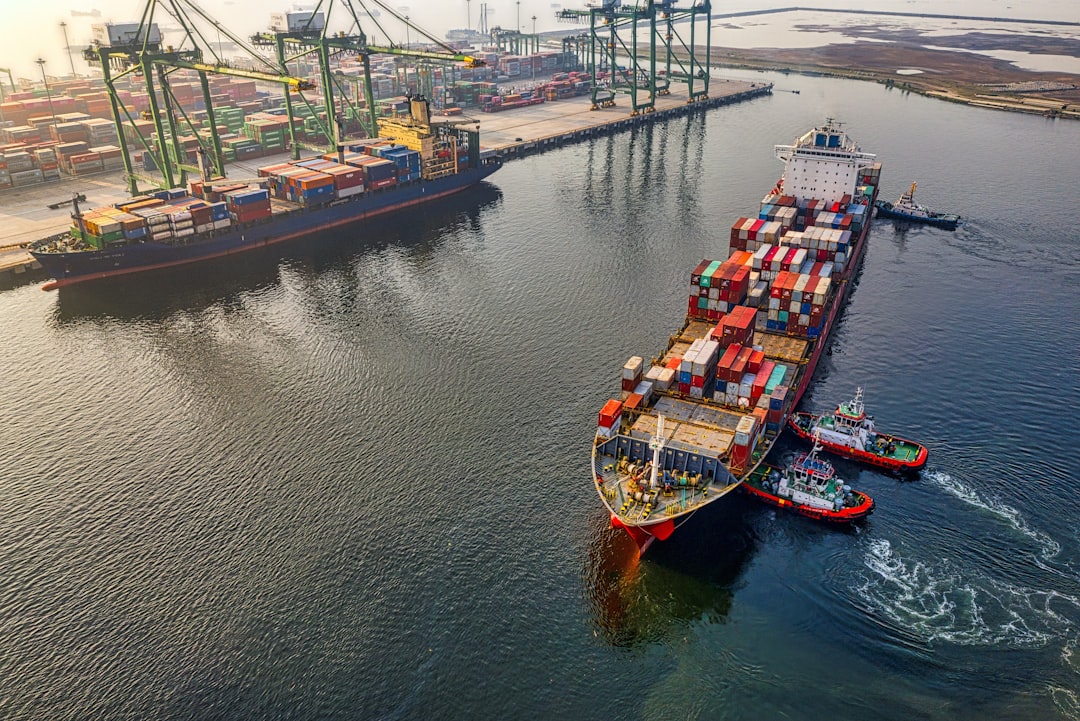
The Announcement
In a statement released on Wednesday, CENTCOM declared, “Today, U.S. forces lifted the blockade on all maritime traffic entering and exiting Iranian ports and coastal areas.” As a result, American forces will no longer impede the movement of vessels within the Arabian Gulf and Gulf of Oman. While the blockade has been removed, CENTCOM noted that U.S. naval forces will maintain a presence in the region to oversee compliance with the terms of the recent memorandum of understanding between Washington and Tehran aimed at reducing tensions.
Previous Impact on Shipping
The blockade was enforced earlier this year amid escalating conflicts with Iran, dramatically reshaping maritime operations in one of the globe’s most strategically significant waterways. As of June 14, U.S. forces had disabled nine vessels suspected of violating sanctions or trying to transport Iranian oil, while also redirecting 142 commercial ships away from Iranian ports. This redirected traffic not only affected shipping companies but also suggested broader implications for energy markets.

Future Shipping Patterns
With the blockade lifted, there remains significant uncertainty regarding the return of shipping traffic to pre-conflict levels. Operators must now navigate the complexities of a fluctuating geopolitical landscape, assessing risks and operating conditions as they re-evaluate their routes through the Gulf. The U.S. military’s continued naval presence will likely serve as a stabilizing factor, yet industry stakeholders must remain vigilant as they adapt to evolving circumstances.
The Operational Read
The lifting of the blockade represents a pivotal moment for maritime operations in the Arabian Gulf. Operators can expect an increase in traffic as commercial shipping resumes, yet the pace of recovery may vary due to lingering geopolitical uncertainties. Shipping companies will need to closely monitor developments related to Iranian trade practices and potential sanctions enforcement, as compliance will likely affect operational decision-making. Additionally, the continuation of U.S. naval oversight could influence risk assessments and insurance premiums in the region, leading to a cautious approach among charterers and operators. The next steps will be crucial in determining the long-term stability of shipping routes passing through the strategic Strait of Hormuz.