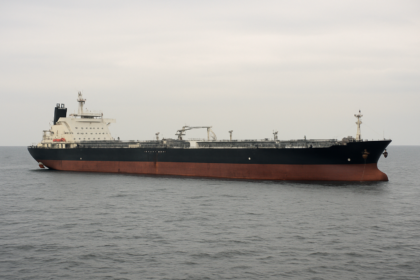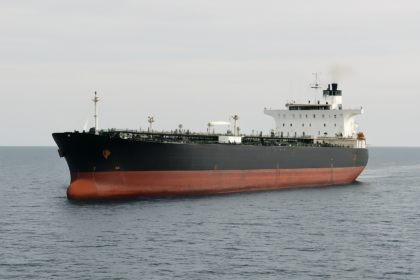
A significant rescue operation unfolded on June 14, 2026, when the U.S. Navy collaborated with a merchant vessel to save 14 Indian mariners stranded after their dhow, Virat 1, became disabled off the coast of Oman.
The Incident
The Indian-flagged Virat 1 encountered an engine failure while navigating the Northern Arabian Sea, prompting the crew to abandon ship and deploy a liferaft. The distress call, received by the U.S. Navy at approximately 2 a.m. EST, initiated a swift search and rescue effort involving multiple naval assets.
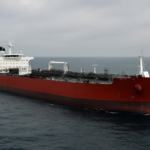
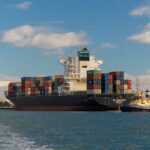
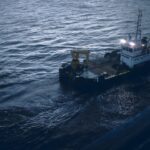
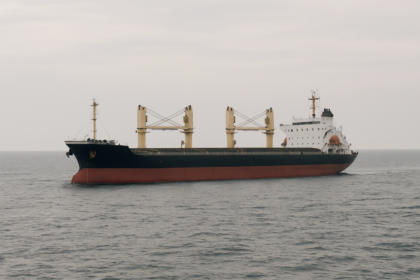
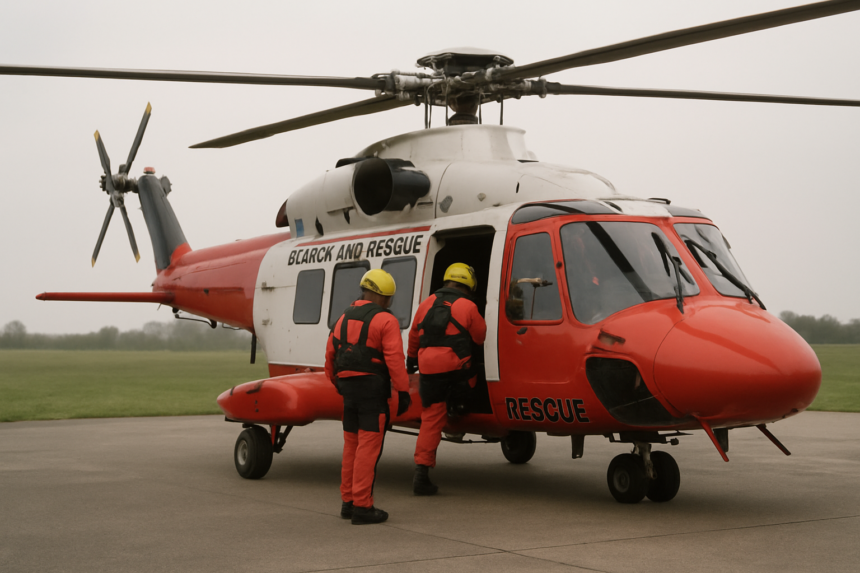
A specialized U.S. Navy P-8 maritime patrol aircraft was the first to arrive at the scene, utilizing a search-and-rescue kit to deploy a liferaft for the mariners. Subsequently, the UAE-based cargo vessel MV Jabal Ali 9 arrived to assist, successfully recovering 11 crew members from the raft. In a challenging twist, three additional mariners initially aboard the raft faced rough sea conditions which caused it to capsize prior to their recovery by an MH-60S Sea Hawk helicopter from the USS Abraham Lincoln.

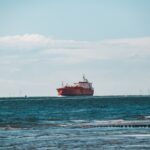
After being retrieved, all crew members were confirmed to be in good health and were transferred to Jabal Ali 9, which is now en route to Mumbai.
Context and Geopolitical Concerns
This rescue operation occurs against a backdrop of rising geopolitical tensions in the region, particularly following the deaths of three Indian seafarers aboard the tanker Settebello amid U.S. blockade enforcement actions in the Gulf of Oman. India has formally protested these U.S. operations, leading to strained diplomatic relations. Indian External Affairs Minister Subrahmanyam Jaishankar recently expressed to U.S. Secretary of State Marco Rubio that such lethal enforcement actions against commercial shipping are unjustifiable.
The increasing frequency of such incidents has raised significant concerns regarding the safety of civilian maritime crews operating in volatile areas like the Strait of Hormuz, a critical passage for global shipping. The situation is further complicated by varying interpretations of international maritime laws and enforcement of sanctions against Iranian oil shipments.
The Operational Read
This incident highlights the operational hazards present in high-risk maritime areas, especially for crews engaged in commercial shipping. The collaboration between military assets and merchant vessels sets a precedent for coordinated responses in emergencies, but it also underscores the unpredictable nature of operations in politically charged environments. Ship operators will need to continuously assess risk factors, evaluate routing options, and consider the implications of geopolitical tensions on their operations. Additionally, ongoing dialogues between nations regarding maritime safety regulations will be vital in ensuring protective measures for civilians at sea.