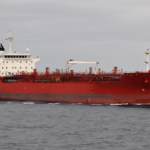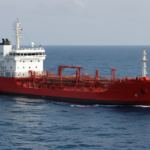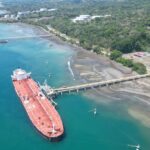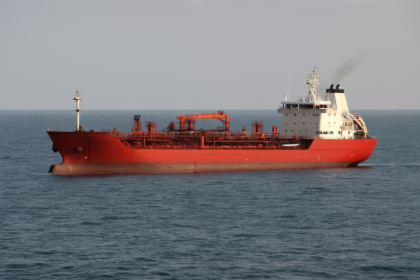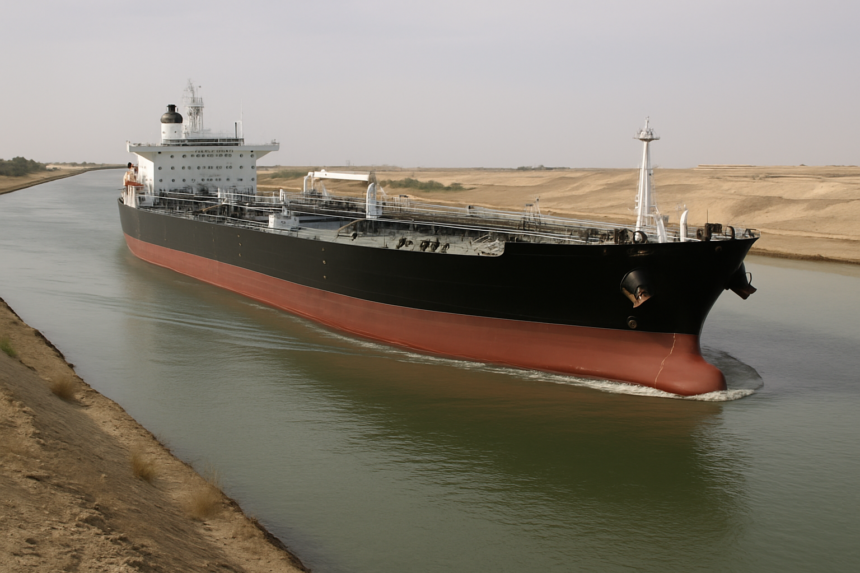
The Suez Canal has experienced a notable surge in oil tanker transits, with April 2026 witnessing a 28% year-on-year increase in crossings, driven by the disruption in the Strait of Hormuz. The state statistics agency CAPMAS reported that 529 tankers crossed the canal that month, contributing to a revenue boost that reached $419 million. This figure represents a 27% increase compared to April of the previous year, and the highest monthly revenue since early 2024.
Impact of Regional Conflicts
The closure of the Strait of Hormuz, a pivotal route for 20% of the world’s crude oil and liquefied natural gas, has significantly altered maritime traffic patterns. Following the outbreak of the US-Israeli war on Iran on February 28, 2026, operators have sought alternative routes, with many opting to transit through Egypt’s Suez Canal instead. This shift has been particularly beneficial for Saudi Arabia, which, in response to the closure, activated a backup pipeline to its Red Sea port of Yanbu for the export of crude oil. Other Gulf countries have similarly redirected their shipping activities, leveraging Saudi ports such as Jeddah.
Future Considerations
Historically a vital revenue source for Egypt, the Suez Canal has faced challenges over the past few years, particularly due to Houthi rebel attacks impacting shipping in the southern Red Sea. Despite the recent uptick in traffic and revenues, total crossings remain significantly lower than pre-war levels from April 2023, when approximately 2,300 ships navigated the canal. The Houthis’ recent declarations to impose bans on Israeli shipping only add uncertainty to future operations. Analysts highlight that if the current trend continues, there could be a regional economic boost, potentially reducing Egypt’s current-account deficit significantly.


The Operational Read
The ongoing clashes in the region have established the Suez Canal as a critical alternative route for oil shipments, particularly under current geopolitical tensions. For operators, this underscores the necessity for agile routing strategies and contingency planning in response to evolving threats. The increasing use of the canal highlights the operational dependency on reliable chokepoints amidst instability. The sustained rise in tanker traffic could lead to improvements in Suez’s revenue streams; however, the underlying risk of renewed Houthi attacks remains a concern that stakeholders must monitor closely in the months to come.