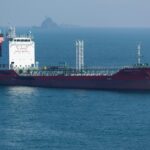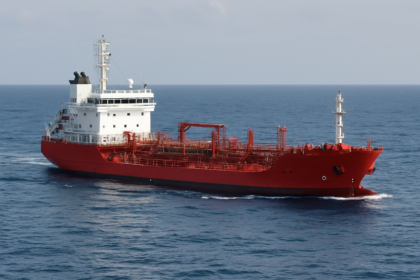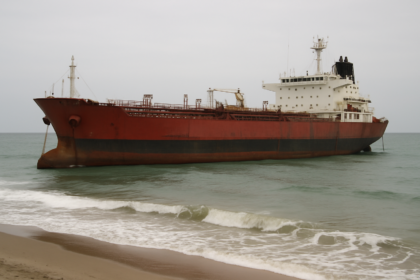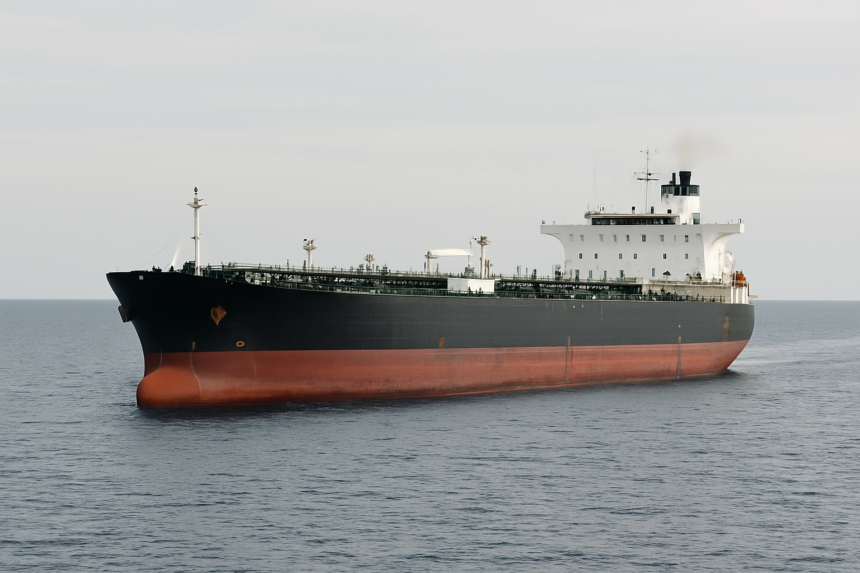
Ukrainian naval drones have launched successful attacks on two oil tankers linked to Russia in the Black Sea. The Security Service of Ukraine and the Navy confirmed on Thursday that the strikes targeted the Louise 1 and Banda, which are both subject to Ukrainian sanctions. These vessels had been engaged in transporting Russian crude from ports along the Black and Baltic Seas.
Impact on Energy Exports
The Black Sea plays a crucial role in global oil transportation, accounting for a significant portion of Russia’s crude exports. With Ukraine intensifying its offensive on Russian maritime assets, the strikes aim to disrupt Moscow’s energy operations and compel a resumption of negotiations. Recent reports have indicated that the growth in attacks against Russian assets, including oil refineries and tankers, resulted in a record level of crude exports that cannot be processed domestically. This escalation underscores Ukraine’s strategy to undermine Russia’s economic stability through targeted strikes.
Current Status of Targeted Vessels
Marine tracking data reveals that the Banda, registered under the Liberian flag, was last reported near the Black Sea and is currently labeled as ‘not under command,’ suggesting it is unable to maneuver under exceptional circumstances. The Louise 1, a Suezmax tanker flagged in Panama, maintains a status of ‘underway using engine.’ It most recently called at major Turkish ports before being struck.

Ambrey, a maritime intelligence firm, noted that the attack on the Panama-flagged Louise 1 signals a notable shift in Ukraine’s targeting policy, as it previously focused primarily on vessels sanctioned globally, while this vessel is specifically sanctioned only by Ukraine.
The Operational Read
The recent increase in Ukrainian naval operations represents a strategic realignment aimed at debilitating Russian energy logistics. For operators, this means heightened risks when engaging with vessels operating in and around the Black Sea, as maritime security is deteriorating. The immediacy of Ukraine’s strikes affects not only the direct shipping routes but also the broader oil market dynamics, with potential implications for freight costs and risk assessments for charterers. Stakeholders should continue monitoring the situation, particularly the Russian response and any shifts in maritime routes as conflict persists.