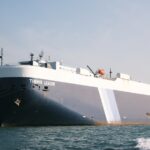
Workers at BHP’s Port Hedland operations, the world’s largest iron ore export hub, have commenced a two-day strike amidst ongoing pay negotiations. This strike, the first significant industrial action at the facility in over two decades, is set to include a 24-hour ban on ship loading followed by a complete stoppage on Sunday.
The Strike Action
Approximately 150 members of the Combined BHP Ports Unions (CBPU) are participating in this coordinated strike effort. Steve McCartney, the Western Australian secretary of the Australian Manufacturing Workers’ Union, confirmed the action during an audio statement from Perth, emphasizing the critical role of workers in loading vessels. The unions have expressed their determination to push for more favorable working conditions amid ongoing discussions with BHP.
Operational Impact
BHP, which manages daily shipments worth approximately $80 million through Port Hedland, has reported that vessel loading operations are proceeding with scheduled departures based on existing port planning and tidal conditions. Despite the strike, about eight ships are anticipated to complete loading over the weekend, indicating that while the strike poses challenges, it may not significantly disrupt operations in the immediate term.


It is also noted that the strike is not expected to impact rival mining companies, such as Fortescue Metals Group and Hancock Prospecting, which also utilize Port Hedland. The port accounted for a substantial portion of iron ore exports from the Pilbara region, highlighting its strategic importance in the global iron ore supply chain.
Future Negotiations
Negotiations between BHP and the unions have been ongoing for over seven months, addressing a new four-year bargaining agreement amidst rising operational costs and record share prices. The next negotiation meeting is scheduled for August 18, coinciding with BHP’s annual results announcement. The outcome of these negotiations will be critical, not only for the employees involved but also for maintaining the stability of the iron ore market.
Behind the Headline
This strike at Port Hedland underscores the fragility of labor relations within the mining sector, specifically in regions reliant on iron ore exports. As the wheels of negotiation turn, operators must remain vigilant about potential disruptions to supply chains and shipping schedules. The iron ore market, sensitive to operational delays, could face repercussions depending on the length and outcome of this strike. Industry stakeholders should closely monitor the August 18 discussions for indicators of future labor stability and market conditions.