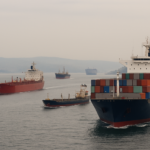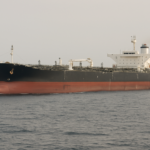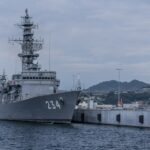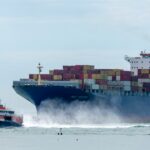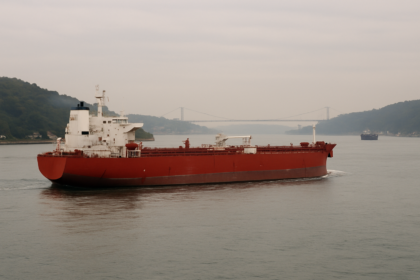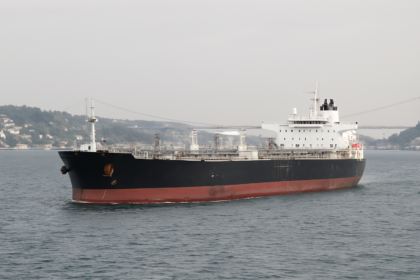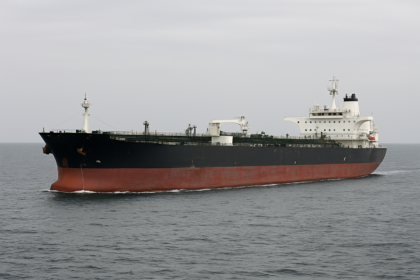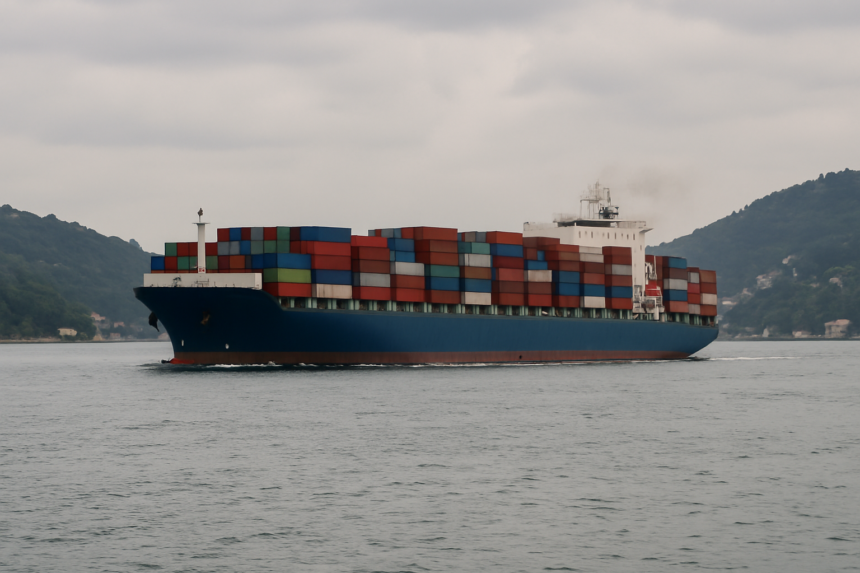
The Islamic Revolutionary Guard Corps (IRGC) has issued a stern warning to the United States regarding its military activities and their implications for shipping in the Strait of Hormuz. The IRGC contends that such actions are undermining the waterway’s reopening process and jeopardizing the interests of nations dependent on this vital maritime route.
Recent Developments
According to statements from the IRGC, transit capacity in the Strait has reportedly reached almost 50% of pre-war levels in the last two weeks. Despite this promising development, the IRGC has indicated that it is expanding transit capacity only for vessels granted permission to utilize the routes it designates. This approach underscores Iran’s intent to assert control over maritime traffic in the region.
U.S. Military Interference
The IRGC accused the United States of engaging in ‘adventurism and interference,’ asserting that such behavior disrupts established shipping protocols within the strategic waterway. In light of these tensions, the Iranian military has warned that any further U.S. involvement could provoke a significant military response. In their communication, the IRGC emphasized that foreign nations do not hold a stake in the operations within the Strait of Hormuz, reiterating Iran’s self-styled authority over the vital shipping lanes.


The Operational Read
The geopolitical complexities surrounding the Strait of Hormuz reflect ongoing tensions that could significantly impact shipping patterns and operational strategies for vessels in the region. For operators, this means heightened risk assessments and potential adjustments to routing and logistics to navigate the increased likelihood of military interventions. As Iran reasserts control over transit permissions, vessel owners may need to remain vigilant and adaptable to shifts that can affect laytime and demurrage costs linked to potential disruptions in one of the world’s busiest maritime chokepoints.