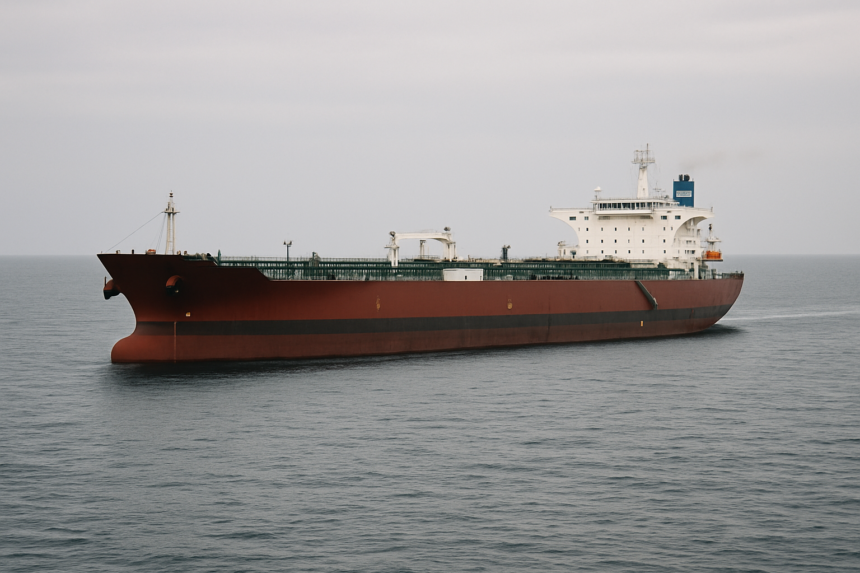
The ongoing geopolitical tensions in the Middle East, particularly related to the blockade of the Strait of Hormuz, have triggered a significant increase in oil prices, prompting shipowners to reconsider their fuel strategies. Historical price volatility is impacting the operational landscape of maritime shipping, shifting the focus from merely cost management to ensuring supply security and risk mitigation.
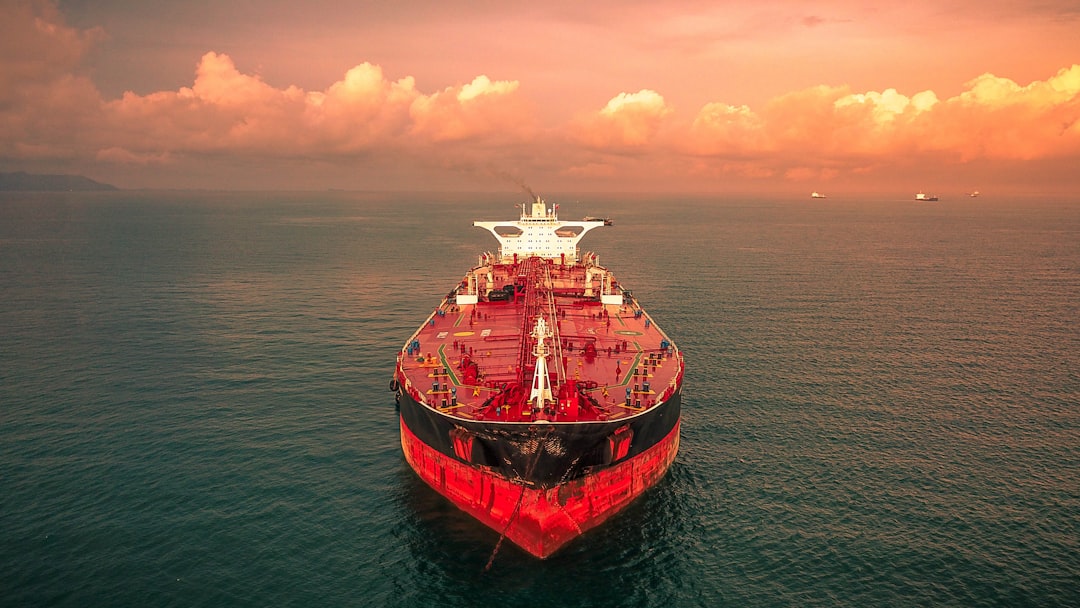
Fuel Price Dynamics
Recent market analysis indicates a projected rise in the costs of conventional marine fuels. Marine gas oil (MGO) could increase from $0.38 to $0.75 per deadweight tonne per 1,000 kilometers—an increase of 97%. In tandem, the price of very low sulphur fuel oil (VLSFO) is expected to escalate from $0.30 to $0.61 (+103%). In contrast, liquefied natural gas (LNG) is anticipated to rise from $0.25 to $0.41 (+64%). This disparity highlights how oil products may be more severely affected by geopolitical disruptions compared to natural gas.
Market Response to Geopolitical Risks
The implications of sustained higher fuel prices are far-reaching for shipping operators. The high costs associated with MGO and VLSFO have made LNG, as well as other alternative fuel sources such as methanol and ammonia, increasingly attractive as immediate solutions for decarbonization and cost efficiency. The shift is not merely a trend; it represents a strategic pivot toward low-carbon alternatives that align with the International Maritime Organization’s (IMO) decarbonization framework, albeit amidst slow regulatory advancements.


Operational assessments indicate that under current high oil price scenarios, LNG could serve as an effective transitional fuel. While LNG prices are rising, the relative increase is less daunting than that of traditional oil products, positioning LNG as a competitive alternative amidst heightened uncertainty. However, only the green and blue types of synthetic fuels, which are produced with lower carbon emissions, can yield meaningful reductions in the carbon footprint of maritime operations.
Why It Matters
The current geopolitical landscape underscores the fragility of oil supply chains and the essential role of diverse fuel strategies within the shipping industry. As vessel operators navigate these turbulent conditions, the urgent need for a shift to alternative fuels emerges as both a commercial imperative and a climate responsibility. The ability to secure a reliable supply of low-carbon fuels will be crucial in mitigating price volatility and ensuring operational effectiveness. As policymakers and industry leaders continue to discuss the future of fuel regulations, maintaining adaptability in fuel sourcing will be vital for shipowners to ensure long-term viability and compliance with greenhouse gas reduction targets.