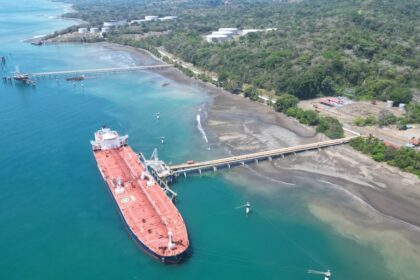
Typhoon Dolphin has impacted Japan’s southern Okinawa prefecture with strong winds and extensive power outages, while authorities in China brace for its expected landfall. The typhoon, featuring maximum sustained winds of 162 kph (90 mph) and gusts of up to 216 kph, has already injured six people in Okinawa and affected nearly 39,000 buildings in both Okinawa and Kagoshima prefectures.
The Impact on Japan
The typhoon’s rapid approach led domestic airlines, including All Nippon Airways and Japan Airlines, to cancel flights to and from Okinawa. Rescue efforts are underway to assist elderly residents affected by injuries from the storm’s strong winds. As local authorities work to restore power, citizens are urged to remain vigilant as severe weather persists.
Preparations in China
The National Meteorological Center of China has classified Dolphin as an orange-category typhoon. Local authorities have heightened response measures to Level III, the second-lowest emergency level, primarily due to concerns over flooding and landslides. Predictions indicate that landfall will occur between Zhoushan city in Zhejiang and Fuding city in Fujian, expected between late Sunday and early Monday, with wind speeds near the center anticipated to reach 45 m/s (101 mph).

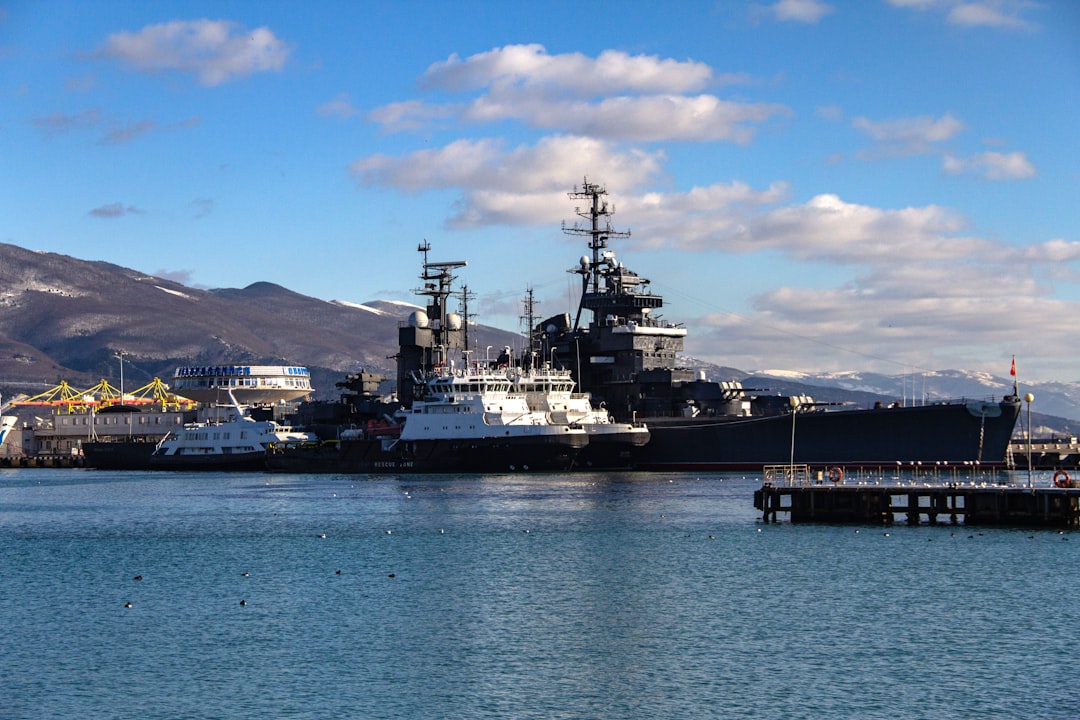
In preparation for the storm’s impact, coastal province Zhejiang has placed its typhoon alert at the highest level and halted all port operations. This includes the notable Yangshan port in Shanghai, which was cleared of vessels by late Friday. Ningbo Lishe International Airport has announced a complete suspension of flights on Sunday in anticipation of severe weather. Transport operations in the Yangtze River Delta will also be affected by cancelled rail services starting Sunday.
Wider Regional Implications
Eastern China is bracing for substantial rainfall, with some regions expecting up to 600 mm (23.6 inches). Authorities have also imposed restrictions on shipping traffic through the Taiwan Strait due to the typhoon, leading to heightened tensions, as officials in Taipei criticized China’s authority over international waters.
The Operational Read
The ongoing situation with Typhoon Dolphin highlights the operational challenges faced by shipping and transportation sectors in the Asia-Pacific region. With significant hazards predicted across coastal areas, operators must navigate not only immediate disruptions like port closures and flight cancellations but also long-term impacts such as potential flooding. Continued monitoring of the storm’s path is essential for maritime operations, as the fallout from such events can lead to increased demurrage and altered shipping routes. Stakeholders should prepare for adverse weather-related consequences that could ripple across the supply chain, emphasizing the need for adaptive strategies in response to natural disasters.