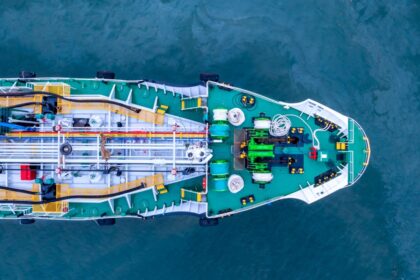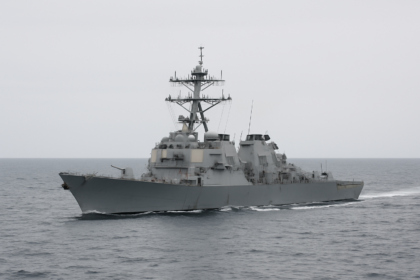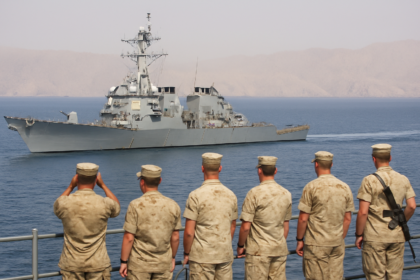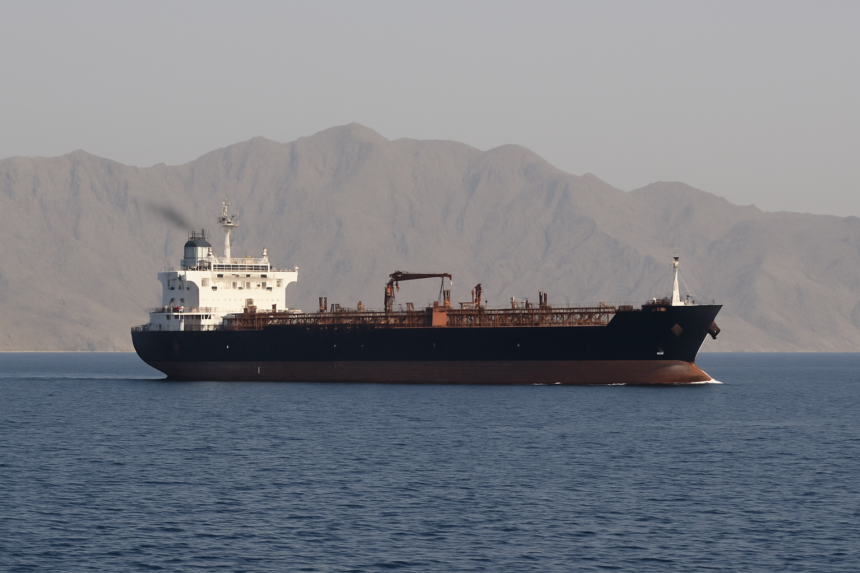
On June 20, U.S. Central Command officially refuted claims by Iran that the Strait of Hormuz had been closed, affirming that this strategic maritime passage remains open to traffic. Reports indicate that vessels are continuing to navigate the region, a critical route for global oil supply, amidst heightened military oversight by U.S. forces.
The Incident
The tension in the Strait of Hormuz escalated on Saturday when the Islamic Revolutionary Guard Corps (IRGC) of Iran declared the strait shut, advising ships to steer clear of the area. Such claims have sparked concern within the international shipping community and beyond, as the Strait of Hormuz is a pivotal chokepoint through which a significant portion of the world’s oil passes.
Navy Captain Tim Hawkins, a spokesperson for U.S. Central Command, provided reassurance regarding maritime operations in the Persian Gulf. He stated, “Iran does not control the Strait of Hormuz,” highlighting that U.S. forces remain actively engaged in monitoring the situation to ensure the ongoing flow of maritime traffic.

Market Impact
The announcement from both sides has immediate implications for international shipping operations. Any disruptions in the Strait of Hormuz could significantly affect global oil markets due to the volume of crude oil and other commodities that transit this narrow waterway. As of now, U.S. assurance of continued safe passage aims to mitigate fears of supply chain interruptions, especially given the geopolitical ramifications of U.S.-Iran relations.
Ceasefire negotiations, which had been progressing towards potential peace talks, may face challenges as Iran positions itself amid increased military tension. Market observers will be closely monitoring developments in the area, as rapid changes in regional dynamics could lead to fluctuations in shipping rates and insurance premiums due to perceived risks.
Operator Response
In light of the situation, shipping operators are urged to stay vigilant and prepared for any sudden changes. Increased operational costs or rerouting may be required should tensions escalate, emphasizing the need for robust contingency plans. The ongoing presence of U.S. naval forces ensures that there is a level of security for vessels navigating this crucial maritime route, but the risk of miscalculations or confrontations remains a concern.
The Operational Read
For operators and charterers, the Strait of Hormuz’s stability is paramount, as any disruption could precipitate delays, increased laytime, and higher demurrage costs. It is essential for shipping companies to maintain open lines of communication with maritime authorities and to assess the evolving geopolitical landscape when planning operations in or near the strait. The overall market should be prepared for possibly heightened war-risk premiums and operational adjustments, depending on how Iranian threats translate into tangible actions. Continuous assessment of maritime intelligence will be critical in navigating these challenges successfully.