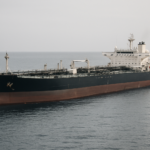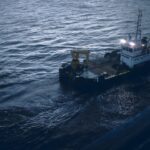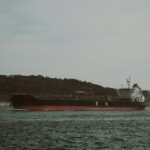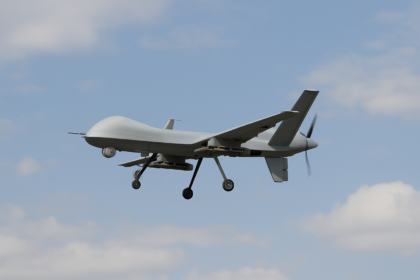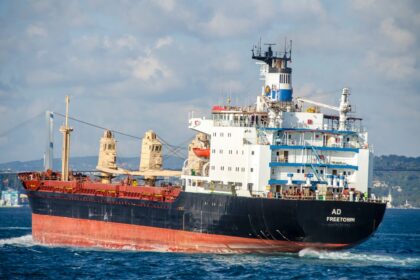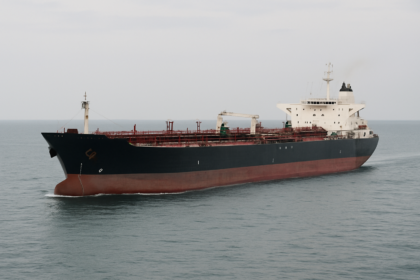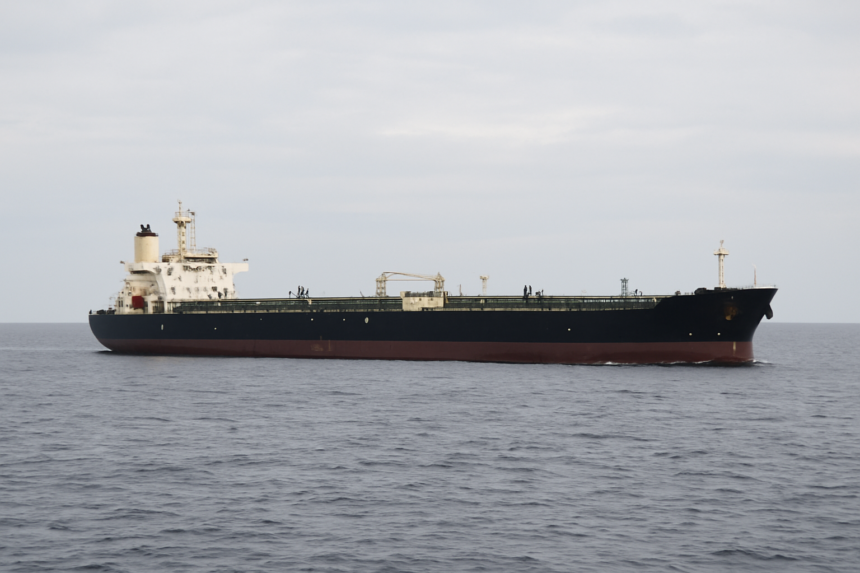
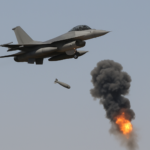
On Monday, U.S. forces disabled the M/T Marivex, a Palau-flagged tanker connected to Iran’s shadow fleet, while it was transiting international waters in the Gulf of Oman. U.S. Central Command (CENTCOM) reported that the intervention followed the vessel’s crew failing to adhere to instructions from U.S. forces, marking the seventh vessel interdicted since the U.S. implemented a maritime blockade against Iran on April 13. An F/A-18 Super Hornet, operating from the USS Abraham Lincoln, executed a precision strike into the tanker’s engineering and steering compartments after the crew ignored compliance directives.
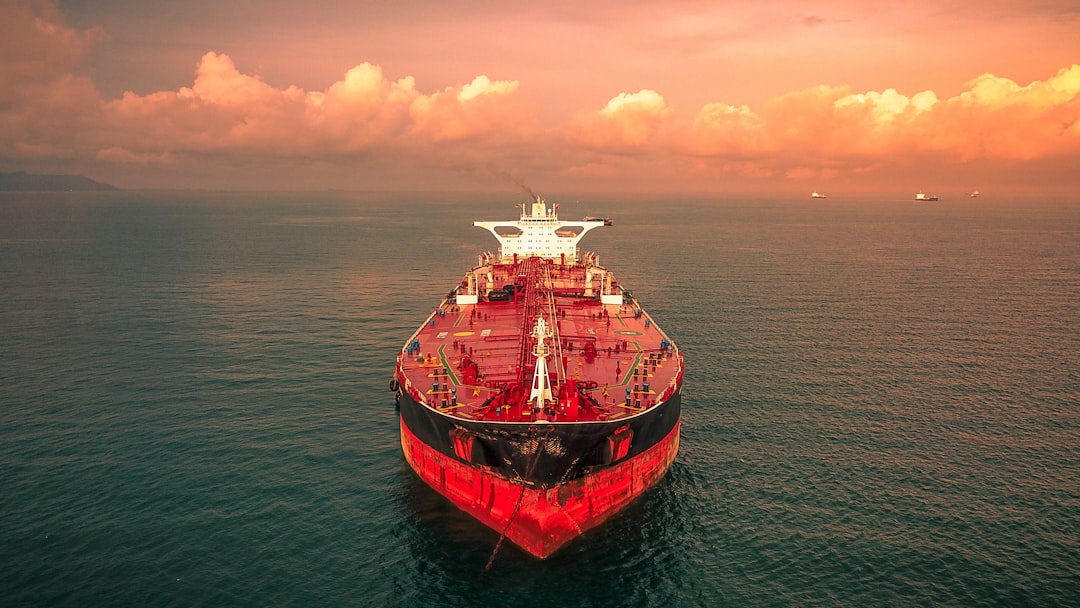
Background of M/T Marivex
The M/T Marivex is reportedly unladen at the time of the incident, but it possesses a notable history in the Iranian petroleum trade. Previously known as Arihant (IMO 9464156), the vessel was sanctioned by the U.S. Office of Foreign Assets Control in December 2025 due to its involvement in the transportation of Iranian oil products, including fuel oil and bitumen, within the Persian Gulf. The ongoing crackdown on vessels within the shadow fleet underscores the U.S. commitment to curbing illicit oil exports by Iran.
Escalating Enforcement Actions
U.S. maritime enforcement operations have escalated recently, with multiple cases of vessels being disabled or boarded for non-compliance. Just a week prior to the M/T Marivex incident, the tanker M/T Lexie was struck after deliberations failed, illustrating the aggressive posture taken by U.S. forces against commercial shipping perceived to be aiding Iranian oil exports. CENTCOM indicated that through operations thus far, seven vessels have been disabled, while 134 ships have complied with military instructions, and 42 vessels carrying humanitarian aid were permitted to pass.

This expanding enforcement is not limited to the Gulf of Oman; efforts have extended into the Indian Ocean, where U.S. forces recently boarded the tanker MT Davina. Such aggressive tactics reflect a strategy that has evolved from individuals’ enforcement actions to a broader maritime blockade, aimed at restricting access to Iranian ports amidst unresolved diplomatic negotiations.
The Operational Read
The recent actions by U.S. forces against the M/T Marivex epitomize the high-stakes environment surrounding maritime operations in the Gulf region. Vessels navigating these waters face continuous scrutiny and potential military intervention for violations of the U.S. blockade. For operators, this translates to heightened operational risks, necessitating robust compliance measures and perhaps a re-evaluation of routing decisions relative to Iranian ports. As enforcement continues to deepen, the imperative for maritime stakeholders to prepare for possible military enforcement increases. The outlook for regional maritime operations hinges on the resolution of diplomatic engagements, but until then, compliance with U.S. directives remains crucial.