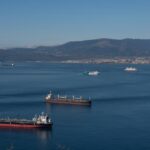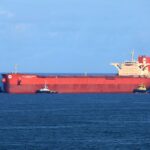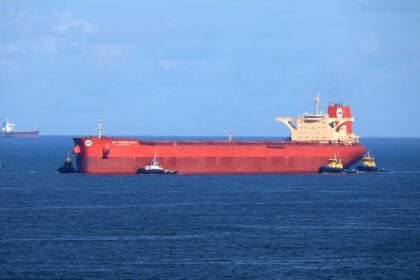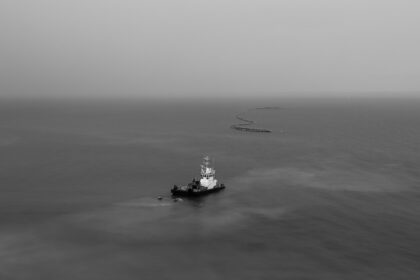


On October 23, the Comoros-flagged cargo ship Khoryv sank off the coast of Romania following a drone strike, leading to the tragic death of at least one crew member and leaving three others missing. The incident occurred approximately 13 nautical miles from the port of Constanta, just outside Romanian territorial waters, where the vessel transmitted a distress signal before capsizing.
According to Romanian authorities, video footage confirmed the ship’s dramatic demise, showing only a small section of its hull visible above the turbulent waters. Rescue operations were immediately launched, with emergency vessels combing the area amidst poor weather conditions characterized by high winds and choppy seas. Nine sailors were successfully rescued, while efforts continue to locate the missing individuals.
The Escalating Threat
Romanian President Nicusor Dan characterized the drone attack on the Khoryv as part of a broader escalation by Russia in its ongoing military action in Ukraine. This incident is indicative of a troubling trend, as recent weeks have witnessed a significant rise in assaults on commercial vessels operating in close proximity to NATO member states, particularly Romania and Bulgaria. Reports indicate that at least seven cargo ships have been struck, with around 30 sailors dead or missing during this timeframe.


In response to the heightened threats in the Black Sea, NATO announced plans to bolster its maritime activities by deploying additional patrol aircraft, radar systems, and drones to the area. The particulars of the enhancements remain unspecified, but the alliance aims to safeguard vital shipping routes.

Market and Operational Implications
The attacks have raised significant concerns regarding shipping safety in the region, particularly affecting vessels navigating toward the Sulina Canal. This waterway is critical for Ukrainian grain exports, as maritime traffic has increasingly relied on Danube River ports and adjacent Romanian waters, especially with the ongoing disruptions to Ukraine’s own Black Sea ports. As operators assess the risks involved in Black Sea transit, they may consider alternate routing options or reinsurance measures to mitigate potential losses from increasing warfare threats.
The Operational Read
The operational landscape in the Black Sea has become increasingly perilous for commercial shipping, with the implications of the drone strike extending beyond immediate tragedy. For shipping operators, the evident escalation of hostilities may necessitate a reevaluation of voyage planning and risk management protocols, particularly within the context of NATO’s strategic responses. It will be essential to monitor developments in NATO’s naval deployments and reassess regional threat levels as operators prepare for potentially higher insurance premiums and increased laytime due to safety negotiations. The unfolding situation underscores the need for robust protective measures around key maritime chokepoints crucial to global trade, emphasizing a growing urgency for enhanced security in active conflict zones.