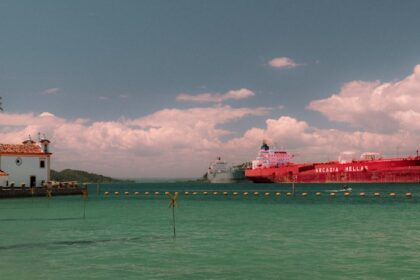


Ras Al Khaimah has closed all beaches in the emirate effective immediately due to an offshore oil leak. This move, announced by local authorities on Saturday, follows similar closures initiated in neighboring Umm Al Quwain and Sharjah.
The Incident
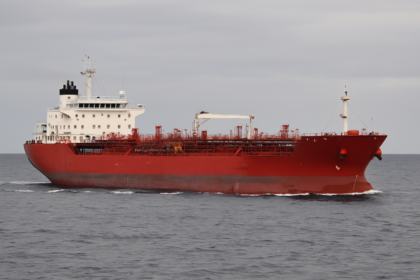
The United Arab Emirates reported on Friday that efforts to contain oil leaking from a tanker offshore were ongoing. While the specific tanker involved has not been disclosed, the Ministry of Climate Change and Environment is currently conducting an environmental assessment to determine the extent of the leakage and necessary protective measures. Technical teams have been deployed to evaluate the situation, and all local authorities have issued advisories for safety precautions.
Beach closures in Umm Al Quwain were reported as a proactive measure until assessments are complete, while Al Hamriyah Beach in Sharjah has also been temporarily closed. The closures aim to safeguard public health and preserve marine ecosystems that could be affected by the spill.


Environmental Concerns
Following the spill, residents in Sharjah, Ajman, and Umm Al Quwain reported unusual odors emanating from the sea. Local environmental officials have stated that while the smells are concerning, they do not pose immediate health risks. However, these incidents further exacerbate anxieties surrounding maritime safety, especially in the context of the ongoing US-Israeli conflict with Iran, which has seen increased attacks on commercial vessels and has heightened scrutiny on operational protocols in the region.
Market Impact
With Ras Al Khaimah being known for its beaches and luxury resorts, including upcoming developments like Wynn Resorts’ casino on Al Marjan Island, the oil spill poses significant repercussions for the tourism and local fishing industries. These sectors could experience increased operational disruptions as authorities enforce additional environmental controls and safety measures.
The Operational Read
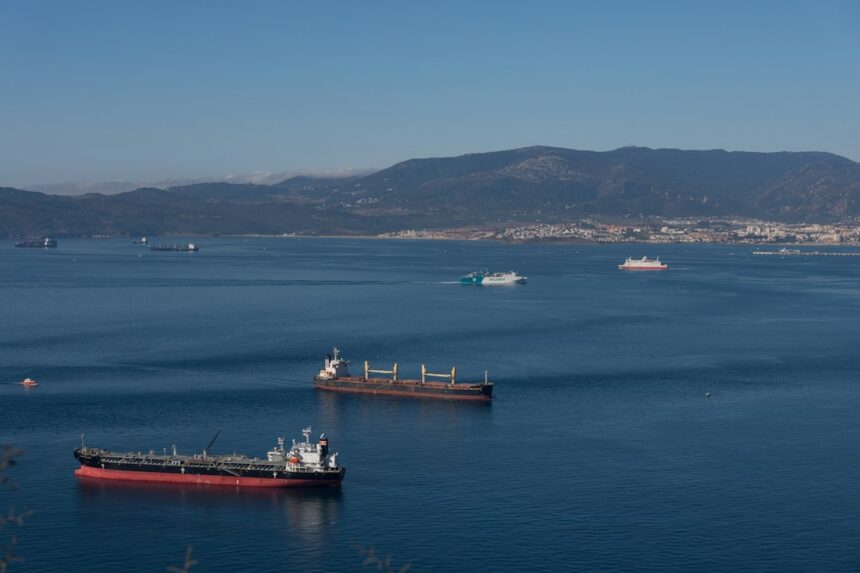
This incident underscores the vulnerabilities of maritime operations within the Gulf region, increasingly challenged by geopolitical tensions and environmental hazards. Shipping companies and local operators must be vigilant about spill response protocols and contingency plans to mitigate environmental impacts and potential liabilities. The situation may also warrant a reevaluation of maritime security measures to protect vulnerable areas from future incursions. Stakeholders are advised to closely monitor government assessments and guidelines as recovery efforts unfold, as the implications of this spill could ripple through both local economies and broader maritime operations.