Update 10 Oct 2026, 20:33 UTC:
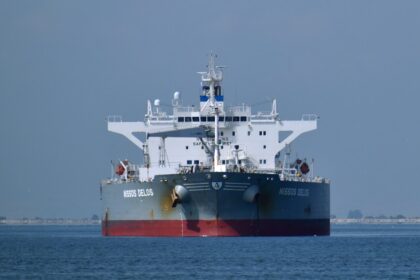
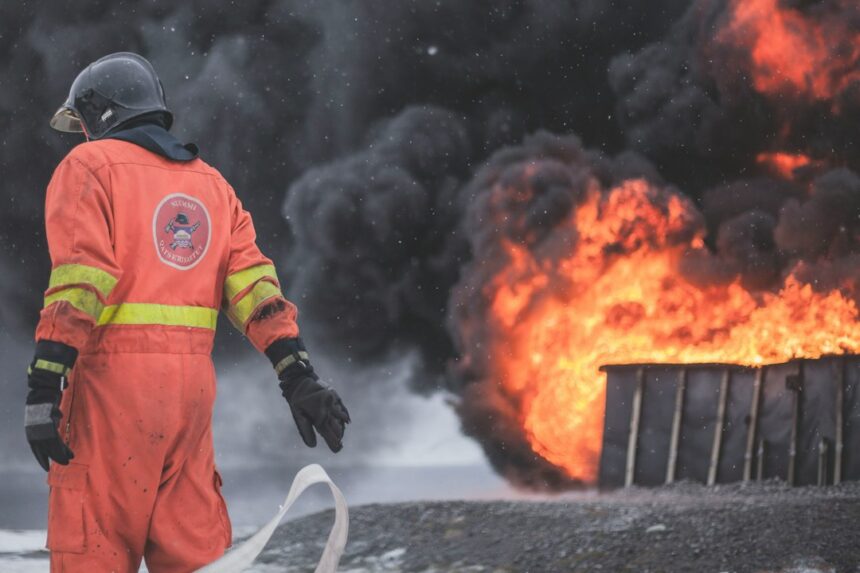
On October 10, UAE National Guard confirmed the successful rescue of 22 crew members from an oil tanker that caught fire in Gulf waters. The responders were alerted by a distress signal from the vessel, which facilitated a rapid deployment of specialist teams.
The Incident
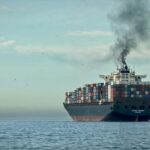
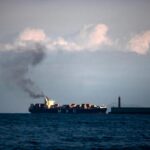
The Coast Guard received an emergency call and promptly organized a search-and-rescue operation. Upon locating the tanker, rescue personnel secured the 22 Asian crew members, all of whom are now reported to be in stable condition. The details of the fire and the extent of the damage to the vessel remain unclear, as the authorities have not identified the tanker involved in the incident.


Market Impact
This incident emphasizes the inherent risks associated with maritime operations, particularly for oil tankers operating in busy shipping lanes. While the situation was contained without loss of life, the fire aboard illustrates the ongoing challenges in ensuring vessel safety and emergency readiness. The transportation of hazardous materials like oil requires stringent safety protocols, and any incidents can have ripple effects through the supply chain and insurance markets.
Operator Response
Shipping operators may reassess their safety protocols and emergency preparedness practices in the wake of this incident. The swift response from the UAE National Guard underscores the importance of regional maritime safety collaborations. Operators of tankers are advised to maintain their vessels in compliance with rigorous safety standards to minimize risks, especially when navigating high-traffic areas such as the Gulf.
The Operational Read
The prompt response and successful rescue operation highlight the critical importance of emergency preparedness in maritime operations. Ship operators must prioritize onboard safety measures and training for their crew to handle potential emergencies effectively. Regular drills and adherence to safety regulations can mitigate the risk of similar incidents in the future. Monitoring developments related to vessel safety technology and regulatory compliance will also be essential for operators to maintain high standards of operational safety and environmental protection.