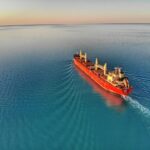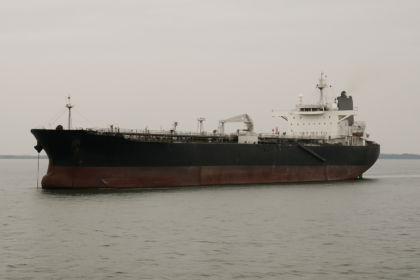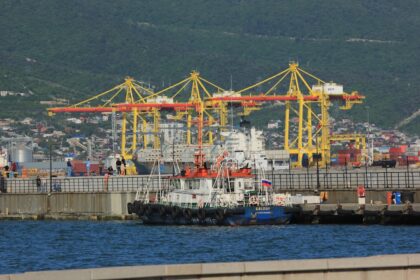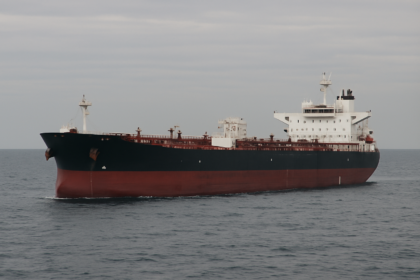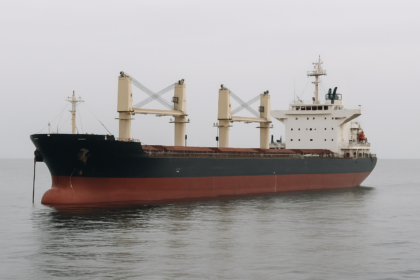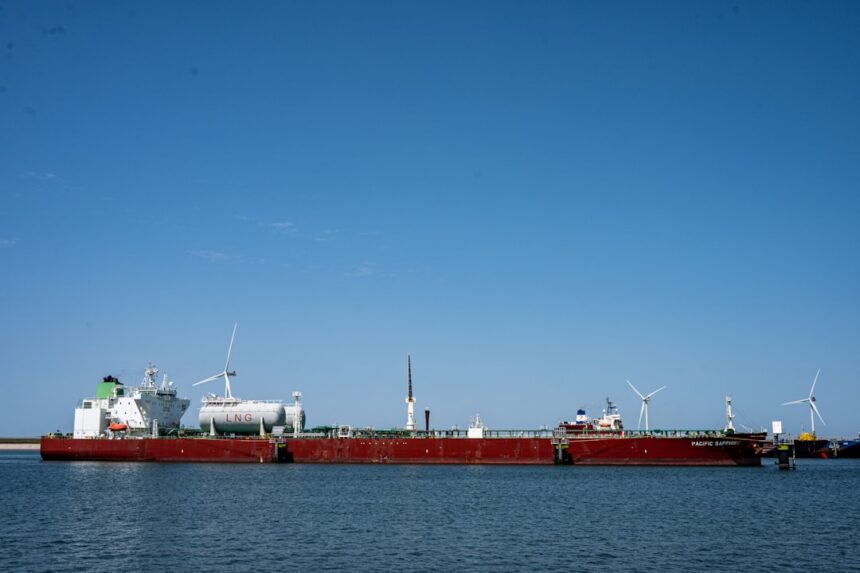
During the last two weeks of July 2026, dirty tanker loadings from Russian ports in the Black Sea and Sea of Azov experienced a remarkable decline of 62%, averaging just 0.98 million barrels per day (mbpd), down from 2.59 mbpd in the preceding period. This drop is largely attributed to Ukraine’s launch of Operation MoLoChKa, a significant maritime drone initiative designed to disrupt Russia-linked shipping operations.
Operation MoLoChKa
Initiated on 6 July, Operation MoLoChKa specifically targets oil, fuel, and cargo logistics associated with Ukraine’s adversaries, primarily aiming to affect supply chains funneling resources to the occupied region of Crimea. The operation commenced with strikes on smaller vessels within the Sea of Azov and expanded into the Black Sea on 15 July. By the end of July, Ukrainian sources reported that over 200 ships had been attacked, causing significant disruptions to shipping schedules and increasing operational risks for shipowners.
Market Disruptions
The ramifications of the operation have led to a pronounced impact on navigation through strategic waterways including the Kerch Strait and the Don-Azov Canal. By suspending navigation in these key transit routes, Russia has significantly hampered export flows. Kazakhstan’s dirty tanker exports have also suffered from these disruptions, mirroring the decline seen in Russian loadings. Exports from the Caspian Pipeline Consortium (CPC) terminal in Novorossiysk have similarly dropped by 62% during the same timeframe.

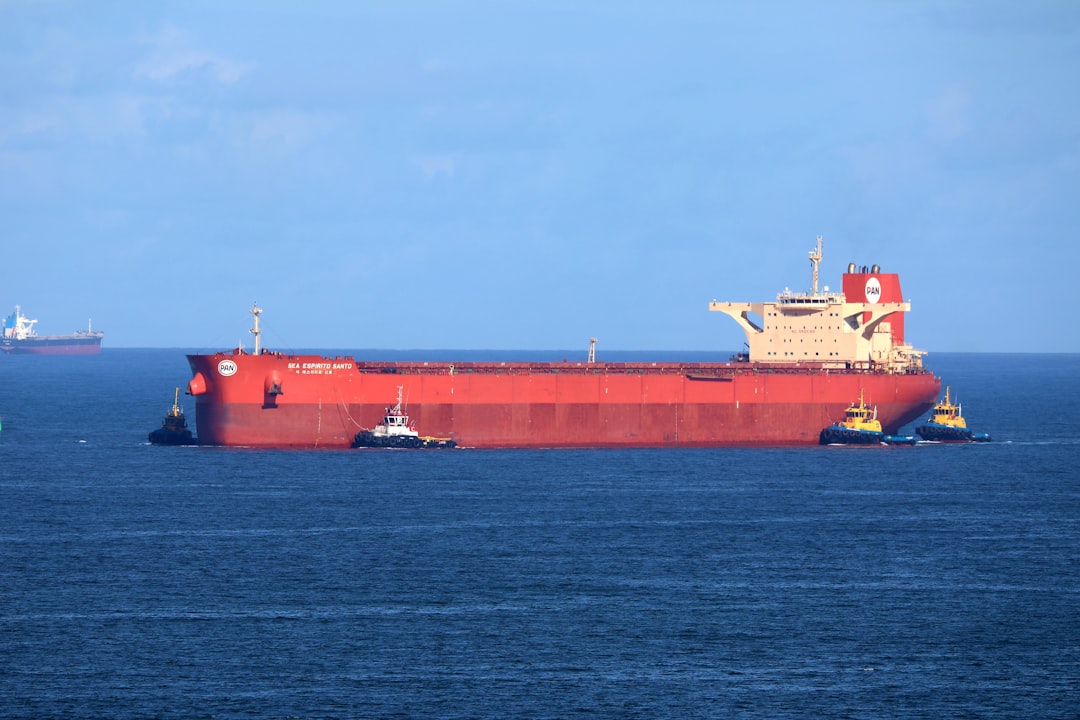
India has thus far emerged as the main recipient of Russian Black Sea and Sea of Azov exports, accounting for 25% of shipments. However, volumes headed to India specifically have plummeted by 66%. Both Aframax and Suezmax classes of tankers, which account for approximately 20% and 80% of these shipments respectively, have reported similar reductions amidst the volatility.
According to Niels Rasmussen, Chief Shipping Analyst at BIMCO, dirty tanker exports from Russian ports in these regions have constituted about 5% of the global dirty tanker loadings year-to-date. If the decline continues as observed over the past two weeks, there is a risk of a further 3% drop in global dirty tanker volumes — a concerning trend following a 5.6% fall in shipping volumes reported earlier this year.
Behind the Headline
The ongoing disruptions in dirty tanker loadings from Russian ports exemplify the intricate interplay between geopolitical tensions and maritime logistics. For operators, the operational challenges are amplified as shipowners reassess risks, leading to potential declines in service frequency and increased freight rates. With a considerable portion of dirty tanker exports affected, operators must monitor developments closely and adjust strategies accordingly. The next focal point will be the international response to ongoing Ukrainian operations and the resultant impact on broader shipping patterns in the Black Sea region.