Turkey has taken a proactive approach in addressing the escalating maritime conflict in the Black Sea by presenting a draft proposal to both Russia and Ukraine, seeking to halt attacks on commercial vessels. This move underscores the significant toll that ongoing hostilities have placed on merchant shipping, a vital component of regional trade.
The Proposal Details
The Turkish government has shared the text of a memorandum with Moscow and Kyiv, designed to find common ground for mitigating maritime hostilities. While specific details of the proposal have not been disclosed publicly, it is reported that the memorandum emphasizes the importance of protecting commercial shipping and ensuring safe passage through one of the world’s key maritime chokepoints.
Impact on Merchant Shipping
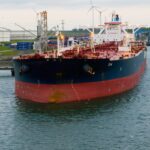
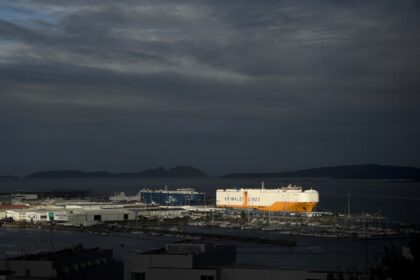
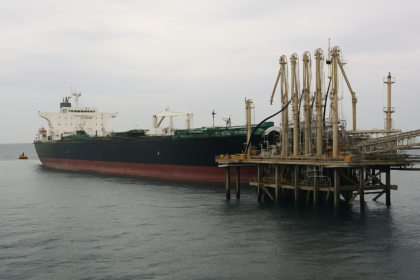
As attacks on merchant vessels have increased, shipping operations in the Black Sea have come under severe strain. The conflict has prompted concerns over rising war-risk premiums, increased operational costs, and the potential for extended laytimes at ports. These factors can lead to significant disruptions in supply chains that rely on shipping routes through the Black Sea. Industry stakeholders are assessing the proposal’s implications for freight rates and the overall security of maritime operations in the region.

Turkey’s Mediating Role
Turkey’s efforts to mediate the conflict reflect its strategic interest in maintaining stability in the Black Sea, an area where it has considerable historical and geopolitical influence. By advocating for a truce, Ankara positions itself as a key player in diplomatic efforts, potentially enhancing its profile in international maritime affairs. The effectiveness of these negotiations will be crucial, as operators may need to adapt their strategies depending on the outcomes.
The Operational Read
The ongoing maritime conflict in the Black Sea presents a growing challenge for operators navigating this critical route. The introduction of Turkey’s draft memorandum can be seen as a necessary attempt to restore confidence in the region. Should a truce be established, shipping companies may experience a decrease in war-risk insurance premiums and enhanced operational viability. Observers will be watching closely for reactions from both Russia and Ukraine, as their responses could dictate future maritime safety and operational costs in the area. Maintaining effective communication with maritime authorities and employing risk management strategies will be essential for operators in this dynamic environment.