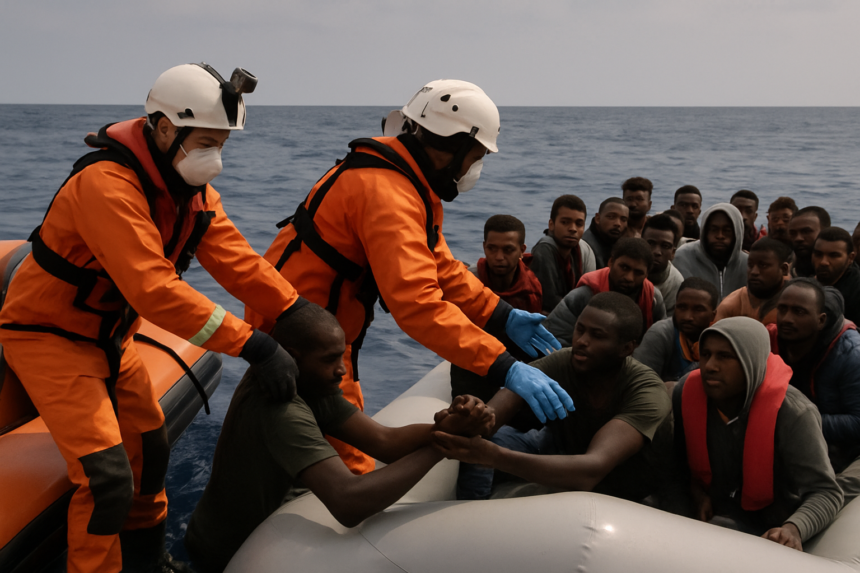
On May 19, the International Maritime Organization (IMO), in collaboration with the United Nations High Commissioner for Refugees (UNHCR) and the International Chamber of Shipping (ICS), unveiled the revised edition of the Rescue Guide. This guideline serves to bolster the safety and protection of refugees and migrants in perilous maritime situations.
The updated guide comes in response to a disturbing trend of shipwrecks highlighting the urgent need for enhanced collective actions to prevent future fatalities amongst those fleeing conflict or searching for more promising futures. It emphasizes both humanitarian and legal imperatives to ensure that individuals in distress at sea are rescued and safely disembarked in accordance with international law.
Key Features of the Revised Guide
The revised Rescue Guide, a substantial update from the 2015 edition, outlines practical protection actions aimed at rescuing people in danger. Key elements include clarity regarding established legal obligations governing rescue operations and practical protocols that shipmasters and crews should follow. Arsenio Dominguez, Secretary-General of the IMO, stressed the importance of translating legal frameworks into concrete actions at sea, reinforcing the maritime community’s responsibility to protect life.

Humanitarian Crisis at Sea
Maritime routes have increasingly become sites of tragedy. In 2025, data showed that the Mediterranean Sea remained the world’s most hazardous corridor for migrants, with 1,953 individuals reported dead or missing. Meanwhile, the South and South-East Asia route accounted for 892 fatalities, driven by the perilous journeys undertaken by Rohingya refugees. Danger persists in routes around Africa, where the Western Africa Atlantic route alone claimed 424 lives last year. Elizabeth Tan, Director of UNHCR’s Division of International Protection and Solutions, highlighted the moral obligation to prevent these tragedies, underlining that no one embarks on such dangerous voyages without desperate need for safety and stability.
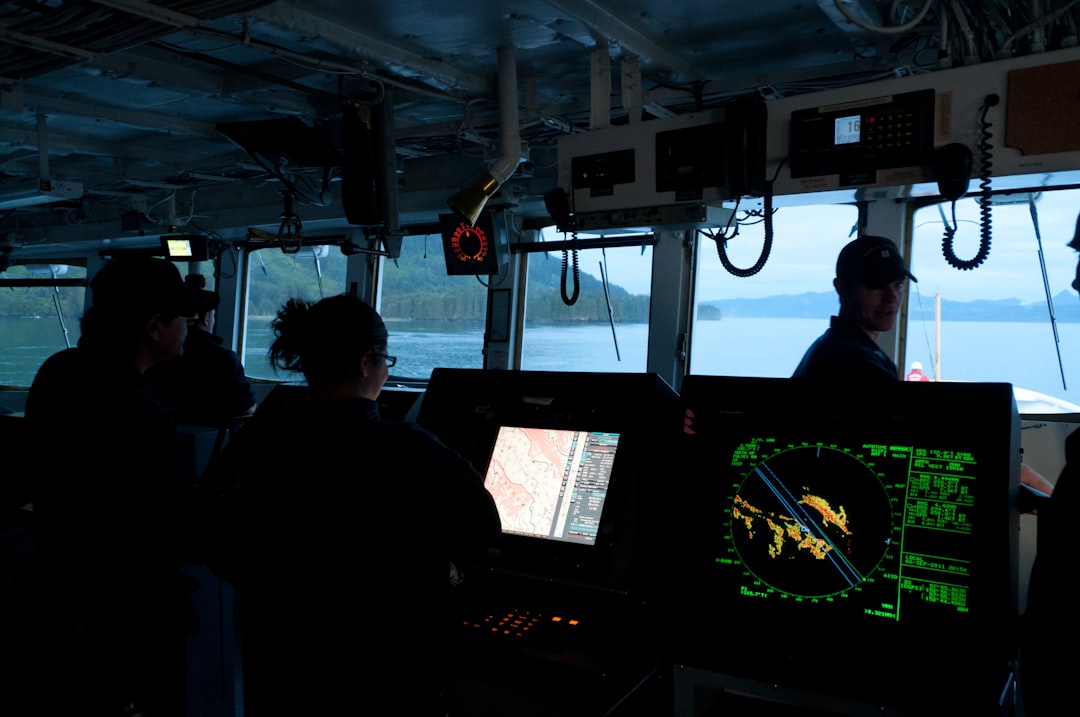
The revised guide prescribes actionable steps for operational stakeholders while emphasizing the critical role of coast guards, navies, search and rescue agencies, and merchant vessels in efforts to save lives at sea.
The Operational Read
This revised Rescue Guide represents a pivotal step for the maritime industry as it navigates increasingly complex humanitarian scenarios at sea. Ship operators must prioritize compliance with the guide’s protocols to avoid legal repercussions and ensure the safety of vulnerable populations. Rescue missions may require enhanced training and preparedness among crews in line with the guide’s directives, particularly along high-risk routes. Operators are encouraged to establish partnerships with NGOs and local authorities to facilitate smoother rescues and disembarkations. The rising number of maritime deaths necessitates immediate action, and adherence to this revised guide could significantly mitigate the mortal risks faced by refugees and migrants at sea.