Update 13 Jul 2026, 10:38 UTC:
The Incident
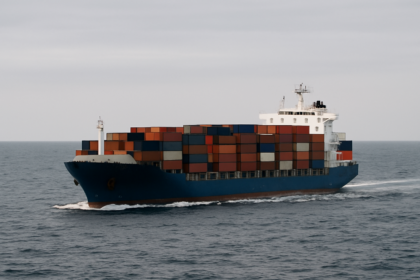
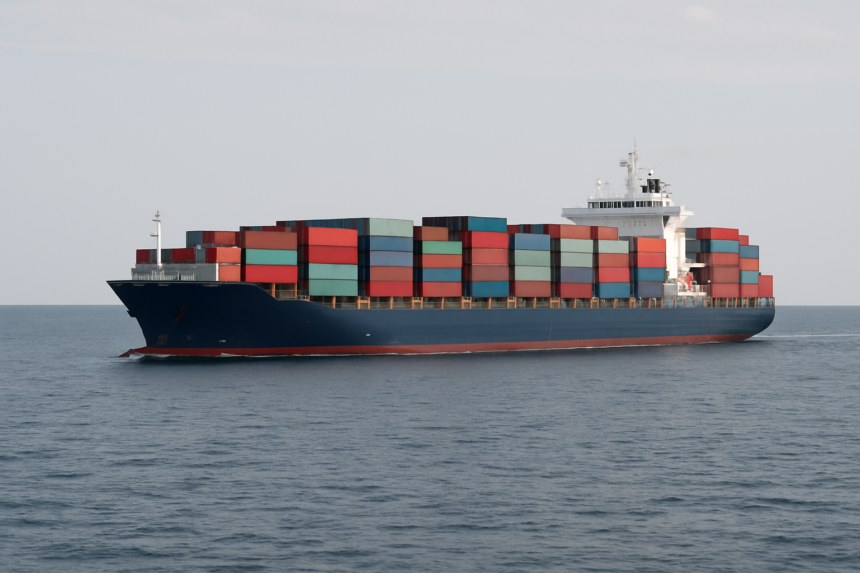
The security situation in the Strait of Hormuz has dramatically deteriorated following an attack on a 7,000 TEU container vessel operated by Global Feeder Shipping over the weekend. The vessel caught fire during the incident, which led to the crew abandoning ship. Fortunately, all crew members were subsequently rescued, and no casualties have been reported.
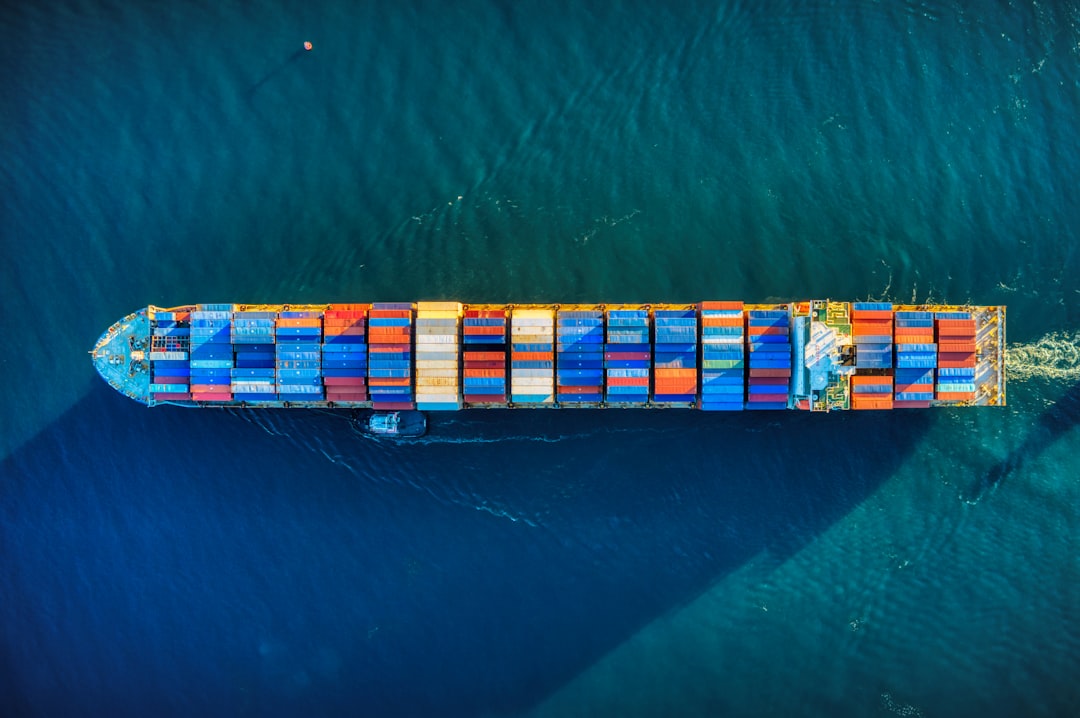
The attack has occurred amidst an ongoing backdrop of tension between the US and Iran, resulting in military strikes from both nations. The Strait of Hormuz is a crucial maritime chokepoint for global trade, with significant oil and container shipping passing through its waters.

Market Impact
This incident is likely to have far-reaching implications for maritime operators who transit this strategic route. The escalation in violence raises concerns over the safety and security of shipping operations in the region, potentially affecting shipping schedules and increasing operational costs. As a result, operators may need to assess the viability of their routes, taking into account heightened risks that could lead to increased war-risk premiums and possible rerouting.
Moreover, insurance companies might adjust their risk assessments, which could lead to tighter underwriting standards and escalating premiums for vessels operating in the area. This shift may compel operators to explore alternative transit routes, such as those bypassing Hormuz, thereby affecting overall shipping logistics and costs.
Operator Response
In light of this attack and the heightened security risks, Global Feeder Shipping and other operators navigating the Strait of Hormuz are likely to enhance their security protocols. This may include implementing onboard security measures, seeking naval escorts, and closely monitoring political developments that may impact their operations in the region.
Furthermore, shippers may engage in strategic dialogue with regional maritime authorities and consider partnerships with security firms specializing in maritime threat assessments to safeguard their vessels and crew. Adjusting operational protocols to ensure instant readiness for similar incidents will be crucial moving forward.
The Operational Read
The recent attack on a container vessel operating in the Strait of Hormuz serves as a stark reminder of the volatile security landscape affecting maritime trade. For operators, the incident underscores the need for diligent risk assessment, as the potential for military engagement near shipping lanes can significantly disrupt operations and logistics. Increased insurance premiums and potential rerouting will likely become a norm, impacting the cost structure for shippers. Stakeholders should closely monitor the evolving geopolitical climate and adjust operational strategies accordingly, ensuring readiness to adapt to an uncertain and potentially hostile environment.