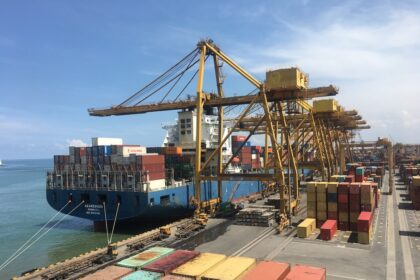
A series of drone strikes on vessels near the key Russian grain ports of Novorossiysk and Tuapse have markedly disrupted the grain trade, leading to halts in shipments that represent approximately a quarter of the nation’s grain exports. Reports from market sources indicate that five vessels were impacted this week, raising alarms about operational safety and the viability of continuing maritime activities in the region.
Market Reactions
Following these escalating threats, the market has responded with notable declines in wheat prices. The Platts Milling Wheat Marker has decreased to $215 per metric ton as of August 20, a historic low since September 2020. Traders indicate a widespread reluctance to engage with Russian ports, with one local seller expressing, “I don’t see the Novorossiysk market; nothing is happening there.”
This turmoil follows a series of decisions by shipowners to avoid Russian waters altogether, further complicating logistics. As operations at three Novorossiysk deep-sea terminals were suspended, other sellers have begun shifting their offerings to the Baltic region, albeit at lower prices due to continued market constraints.


Logistical Challenges and Future Outlook
Russian exporters are adjusting their strategies in light of the disruptions. In August, the analytical center Rusagrotrans revised its wheat export prediction to a mere 1.8 million metric tons, significantly down from 4.5 million metric tons from the previous year. This marks one of the lowest forecasts for the month since the export ban during 2010, which was triggered by severe drought and crop failures.
Even as sellers consider alternative markets such as the Baltics, they face significant logistical hurdles. Freight rates are at a premium, with offers around $70 per metric ton for shipments from deep-sea ports to Egypt—further limiting operational capacity. In contrast, freight to Egypt from the Baltics has stabilized at $48 per metric ton, yet the structure of these logistics remains tightly constrained by storage capacities and reliance on rail, which has only recently begun to ramp up.
Behind the Headline
The ongoing drone assaults against vessels operating in the Black Sea illustrate the multifaceted risks associated with maritime operations in volatile regions. Shipping operators and charterers face enhanced operational challenges, resulting in a prioritization of safety and route reassessment. As wheat export capacities dwindle, the impending economic implications for the Russian agricultural sector remain significant. Continued disruptions may force exporters to seek alternative logistics and transport solutions, although nearby regions like the Baltics are unlikely to absorb more than 10 million metric tons due to existing capacity and transport limitations. Looking forward, vigilance will be essential as shipping operations navigate this increasingly unstable environment.