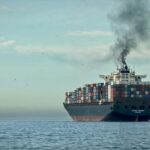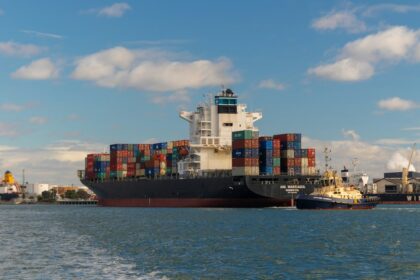
Ukrainian ports in the Black Sea are still operational, albeit under challenging conditions due to ongoing Russian military strikes. President Volodymyr Zelensky confirmed during a press conference on Ukraine’s Independence Day that an average of three to four vessels are currently entering and leaving the Odessa area daily. This operational status contrasts sharply with conditions prior to the latest escalation in hostilities, where ports processed three to four times the current shipping volume.
Operational Challenges
The background to the recent developments includes a marked increase in Russian drone and missile attacks, particularly following Ukraine’s own military actions targeting Russian-flagged vessels engaged in oil and grain transport. These assaults have severely impacted shipping safety, forcing many operators to reconsider their engagement strategies in the region.
Impact on Shipping Volumes
Ukrainian Agriculture Minister Taras Vysotsky had previously described the situation at Black Sea ports, particularly in Odessa, as a total blockade. The reduced operational capacity highlights the precarious balance that Ukrainian authorities are trying to maintain amid the ongoing conflict. With each passing week, the threat of maritime disruptions grows, affecting the agricultural supply chain and trade dynamics in eastern Europe.


The Operational Read
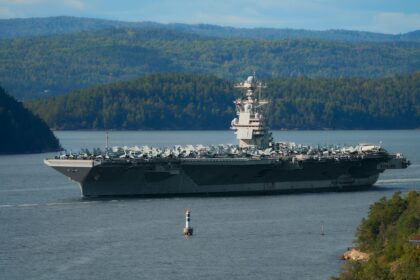
The situation in the Black Sea underscores the fragility of maritime operations in conflict zones, where strategic military actions directly impact trade routes and shipping volumes. Operators must navigate not only the immediate risks of military engagement but also the long-term implications of fluctuating supply chains. The current volume of just three to four vessels daily indicates significant market adjustments, suggesting that shipping interests will increasingly seek alternative routes while monitoring developments closely. Operators are advised to maintain flexibility and readiness for rapid changes in the operational landscape, particularly as both sides continue to assert their naval capabilities.