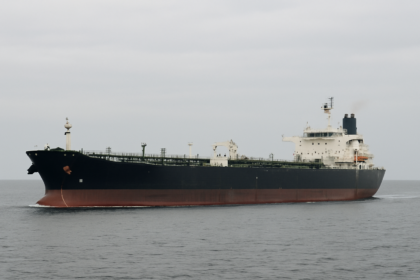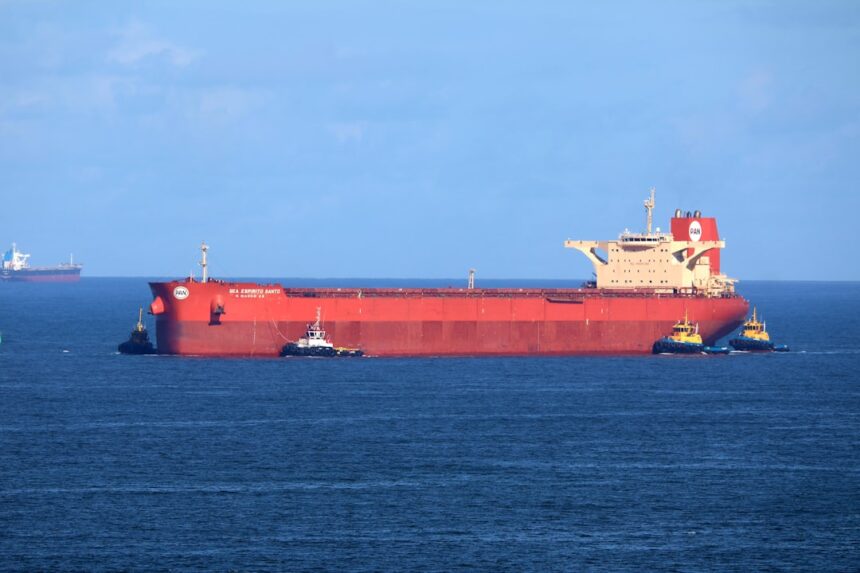
The Tanzanian-flagged tanker Asana has been reported as untraceable since 05:22 UTC on July 17, 2026, following its seizure by Somali pirates. According to data from Pole Star Global, this incident underscores a troubling trend, as the vessel has exhibited a repeated history of disappearing from tracking systems, raising operational concerns for maritime security.
The Incident
Pole Star Global’s analysis reveals that the Asana has demonstrated a ‘Critical’ gap rating, with significant tracking outages spanning up to 102 days over 2024 and 2025. The vessel has changed ownership multiple times, most recently operated by Exon Energy Inc, which is currently not under sanctions. Notably, a previous operator, the Russia-based Valkur LLC, is subject to various international sanctions but concluded its management of the vessel in 2023, well before these sanctions were imposed.
Somali piracy has seen a notable resurgence, with six vessels confirmed to be under pirate control. The cargo ship Lutuf, flagged in Cameroon, represents the latest hijacking, having ceased its transmission on August 17, 2026. This incident aligns with reports that armed individuals boarded the vessel not long after it stopped communicating its position.



Market Impact
The rise in piracy activity in the Gulf of Aden and off the coast of Somalia threatens to disrupt shipping lanes crucial for international trade. The re-emergence of attacks not seen in a decade could lead to increased war-risk insurance premiums, tighter security protocols, and potential route changes for tankers transiting these waters. The operational implications of such incidents are significant, as they force operators to reassess the risks of existing routes and consider additional protective measures.
Operator Response
In light of these events, shipping operators are expected to enhance their tracking systems and potentially modify operational strategies to mitigate the risk of hijacking. While the Asana’s prolonged blackout points to vulnerabilities in monitoring and response, the trend of vessels with similar tracking characteristics being targeted may prompt calls for tighter regulation and improved situational awareness within the shipping community. Vigilance and quick response mechanisms will be essential in navigating this heightened threat environment.
The Operational Read
The ongoing challenges presented by Somali piracy necessitate a comprehensive reevaluation of risk management strategies for operators in affected regions. The pattern of tracking disruptions associated with certain vessels signals deeper operational deficiencies that could escalate risks. Operators must enhance monitoring capabilities and consider implementing technologies such as satellite AIS and patrols to safeguard vessels transiting high-risk areas. Additionally, maintaining robust intelligence-gathering protocols, alongside compliance with evolving international regulations related to piracy and maritime security, will be critical in mitigating potential threats and ensuring swift response to incidents.