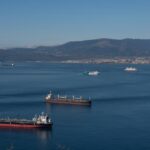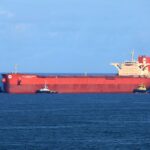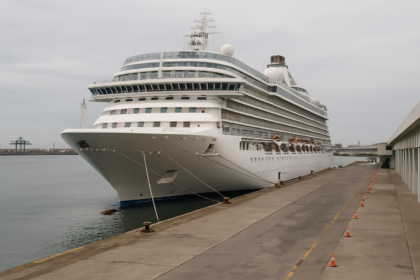


The $260 million Puerto Baru project, proposed by Ocean Pacific Investments, has ignited a heated dispute between hedge-fund billionaire Louis Bacon and developer John McKeown. The port is slated for development on Panama’s Pacific coast, just south of David, and is positioned as the nation’s first “green” port, intended to enhance trade connectivity to North America and Asia while reducing congestion in existing hubs.
Project Overview
Puerto Baru, encompassing 124 hectares (306 acres), aims to leverage the Gulf of Chiriqui’s strategic location, known as Panama’s agricultural heartland. This region produces a variety of goods, such as coffee, papayas, and shrimp, and the port’s development is promoted as a stimulus for local economic growth. McKeown asserts that the project will not only enhance industry but also attract tourism by providing docking facilities for leisure vessels.
Environmental Concerns
However, the proposal has drawn significant backlash from various local environmental groups, which argue that the construction and subsequent shipping activities could cause irreversible ecological damage to the region’s mangrove forests. These ecosystems play a crucial role in protecting coastlines, supporting marine life, and mitigating climate change through carbon absorption. The environmental assessment has become a focal point of contention, leading to legal challenges and scrutiny of the project’s potential impacts.

The case has escalated to Panama’s Supreme Court, which is currently reviewing the project’s environmental approval amidst allegations of civil and criminal claims against the NGOs opposing the port’s construction. Bacon raises concerns about the expertise of the developers, stating, “A simple look at the map would tell you this is not a suitable development site.” His statement underscores the tension between economic aspirations and ecological preservation.
Market Implications
The dispute over the Puerto Baru port reflects broader tensions in maritime and port development across Panama. As the region seeks to balance growth with sustainability, the outcome will have significant implications for local economies and environmental health. Should the Supreme Court substantiate the environmental groups’ concerns, it could discourage similar future developments, altering the landscape for private investment in the region.
Conversely, if approved, Puerto Baru may set a precedent for integrating green technology in port development, potentially stimulating local economies and providing a model for sustainable operations in other regions.
Behind the Headline
This case illustrates a critical crossroads in Panama’s approach to development and environmental stewardship. The juxtaposition of commercial aspirations against ecological imperatives is a regular theme in port operations worldwide. For operators and stakeholders, monitoring the Supreme Court’s decision and the subsequent impact on investment climate will be essential. Moreover, industry players will be examining how this conflict influences future port projects, particularly those located in sensitive environments, as regulatory frameworks continue to evolve around sustainability concerns.