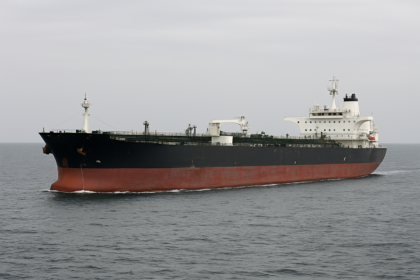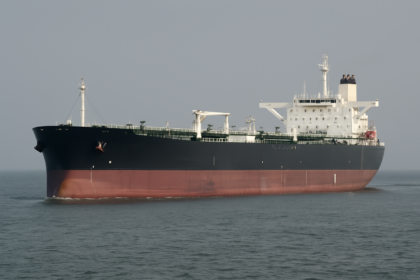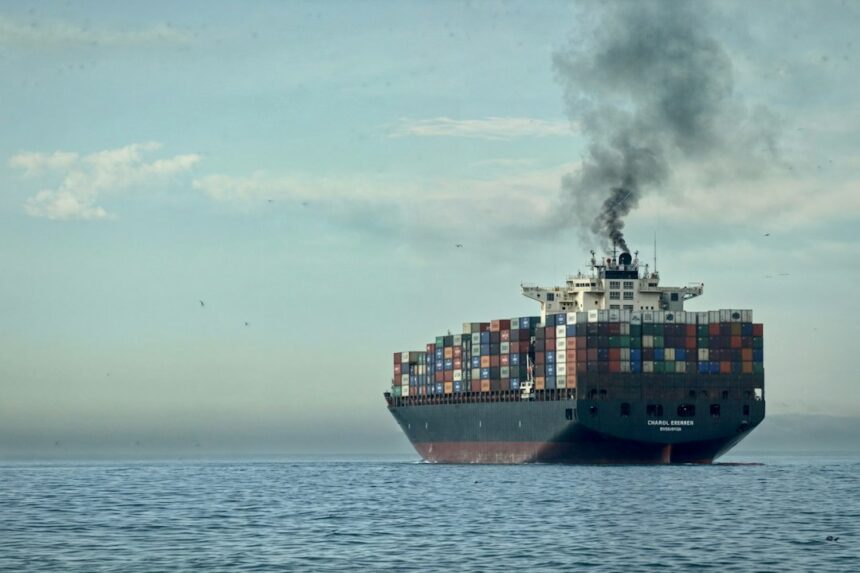
The recent escalation of violence in the Black Sea has raised significant concerns over the safety of civilian shipping. The United Kingdom has expressed solidarity with Bulgaria, Romania, and Türkiye in response to a series of attacks that have resulted in tragic losses of life among seafarers.
The Incident
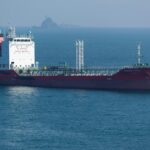
On 5 October, the Turkish-owned cargo vessel Royad Mammadov, laden with corn and en route from the Ukrainian port of Izmail to Italy, caught fire and sank within Romania’s Exclusive Economic Zone (EEZ). Tragically, two crew members were confirmed dead, while Romanian authorities managed to rescue eleven others. The following day, an escalation occurred as two additional merchant vessels, the Alfa Watan and the Able, were struck by air and sea drones within Bulgaria’s EEZ. The Alfa Watan sank, and the status of its crew remains uncertain, while eighteen sailors aboard the Able were rescued, two suffering serious injuries.
These incidents mark a disturbing shift in the ongoing conflict, illustrating the growing risks to civilian shipping operations within this crucial maritime region. On the same day, another vessel carrying rapeseed oil off Odesa was attacked, resulting in another fatality and injuries to several crew members.



Market Impact
According to the UK’s delegation to the Organization for Security and Co-operation in Europe (OSCE), these attacks are indicative of a broader pattern of hostilities that have seen a total of 226 attacks on civilian and commercial vessels recorded by Türkiye’s Chamber of Shipping since the beginning of the conflict. The escalation raises alarms not only for the affected crews, which include Turkish, Indian, and Azerbaijani nationals, but also for the global maritime economy, as the continuous threat to shipping lanes can significantly disrupt supply chains and elevate insurance premiums across the sector.
The UK has called for adherence to international humanitarian law, emphasizing that attacks failing to differentiate between military and civilian targets violate established legal norms. The reference to the Russian Ministry of Defence’s acknowledgment of targeting vessels in the Black Sea further underscores the urgent need for compliance with international obligations to prevent further loss of life and ensure the safety of merchant shipping.
Operator Response
As the situation unfolds, shipping operators are advised to enhance risk assessments related to maritime operations in the Black Sea. The increase in attacks poses significant implications for vessel safety, resulting in a likely rise in insurance premiums and activating additional measures for crew safety, including possible rerouting or increased vigilance in transit. Companies may need to consider alternative shipping routes or enhanced security protocols, potentially impacting logistics and cost structures across supply chains reliant on this critical passage.
The Operational Read
This escalation of violence in the Black Sea highlights a stark reality for shipping operators: the imperative to navigate through increasingly hazardous waters. The safety of merchant vessels and their crews is jeopardized, with the potential for rising insurance rates and operational disruptions feeding through to global supply chains. Operators must remain vigilant, reassessing their risk profiles and considering adaptive strategies in response to the evolving threat landscape. Future developments will test the resilience of maritime operations in the region, making it crucial for stakeholders to watch international diplomatic negotiations closely, particularly those aimed at a ceasefire.