Update 31 Oct 2026, 18:33 UTC:
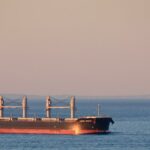
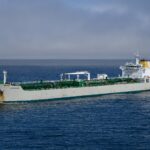
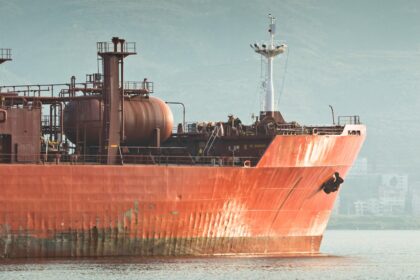
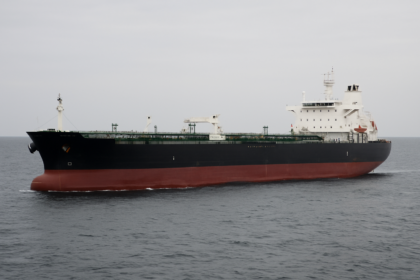
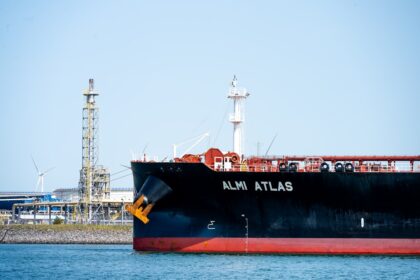
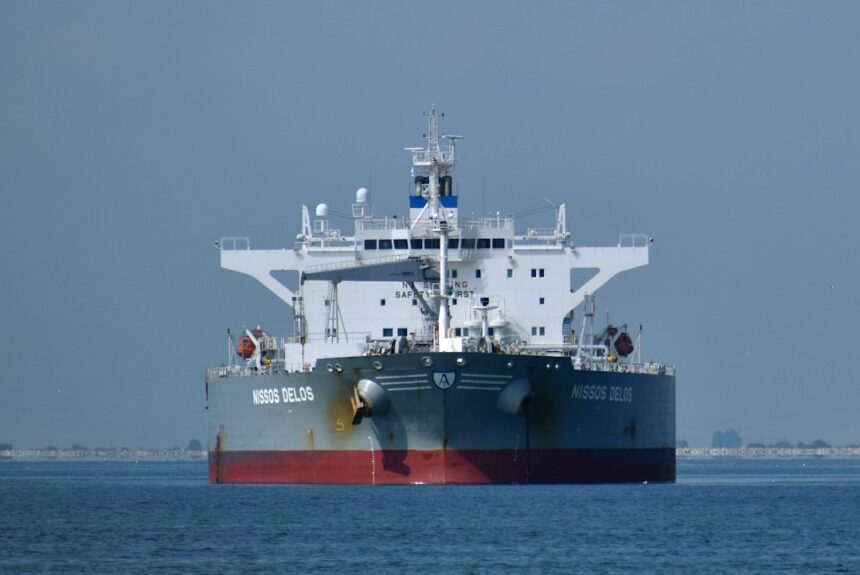
Four oil tankers have reportedly caught fire in the Strait of Hormuz, according to statements made by Iran’s Revolutionary Guards Navy. This series of incidents, which include explosions attributed to naval mines, has raised significant concerns regarding maritime safety in one of the world’s most strategic waterways.
The Incident
On Friday, Iranian state media reported that the tankers were attempting to navigate unauthorized routes when they encountered perilous conditions. One of the tankers involved was carrying more than 2 million barrels of crude oil and is believed to have hit a mine, resulting in a powerful explosion and a subsequent fire.

Earlier reports indicated that another tanker, also estimated to be carrying a similar load, had experienced a comparable fate after striking a naval mine. The incidents have not yet been independently verified by external sources.
In parallel, the United Kingdom Maritime Trade Operations (UKMTO) agency reported an incident where a crude oil tanker was possibly struck on its outbound transit by an unknown projectile at a distance of approximately 40 nautical miles south of Iran’s Lavan Island. The agency noted that although there was a fire onboard, the crew was safe and environmental impacts were not confirmed.
Strategic Implications
The Strait of Hormuz is a significant maritime corridor through which roughly one-fifth of global oil supplies flow. As such, any escalation in hostilities can have implications not only for shipping routes but also for global energy markets. Increased military activity and maritime incidents raise the stakes for operators relying on this passage for transit. Since the onset of U.S.-Israeli military actions against Iran earlier this year, tensions have noticeably escalated in the region.
Iran also reported the downing and capture of a U.S. MQM-170 drone over Qeshm Island near the crucial waterway. However, U.S. Central Command has stated that all unmanned vessels under their command in the region are accounted for, dismissing claims regarding the destruction of military assets.
The Operational Read
The recent incidents in the Strait of Hormuz underscore the fragile nature of maritime security in one of the world’s busiest shipping lanes. Shipping operators must now reassess the risks associated with this route, particularly in light of heightened military presence and potential for further confrontations. The prospect of encountering naval mines or projectiles calls for rigorous evaluation of navigation protocols. In response, charterers may consider alternative routing strategies or increased reliance on insured voyages to manage risk exposure. Operators should monitor developments closely, as regional geopolitical conditions will continue to influence operational strategies and freight market dynamics.