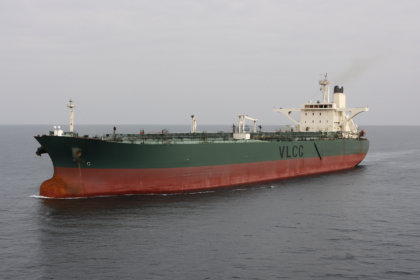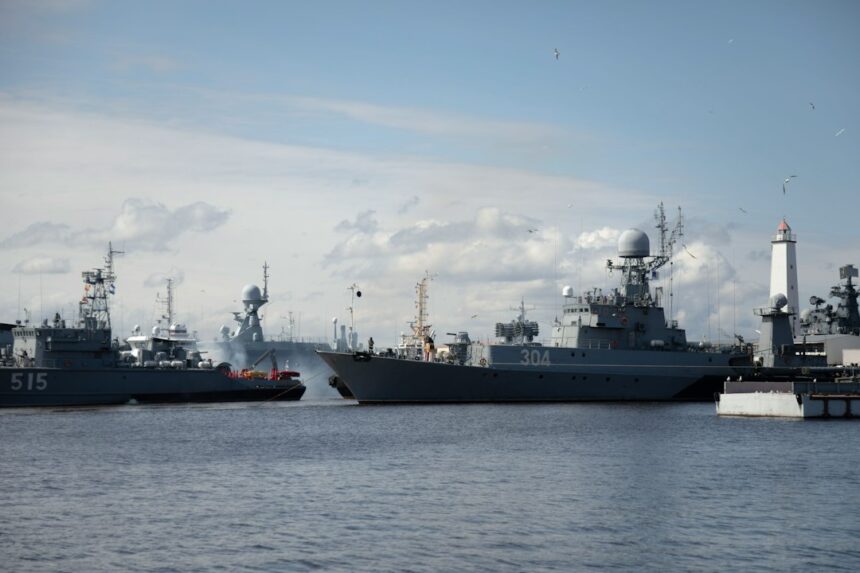
During the Ninth High-Level Meeting held from November 11-13 in Antananarivo, Madagascar, Signatory States to the Djibouti Code of Conduct (DCoC) formalized their commitment to maritime security by establishing a Combined Maritime Task Force (CMTF). This new initiative aims to bolster operational cooperation among nations in the Western Indian Ocean, Gulf of Aden, and Red Sea regions.
The meeting resulted in the election of Ms. Stella Katondo from the United Republic of Tanzania as the first female Chair of the DCoC since its inception in 2009, signaling a progressive move towards gender inclusion in maritime security leadership. The Republic of South Africa will assume the role of Deputy Chair.
Strategic Commitments
The newly adopted Regional Maritime Security Strategy focuses on ensuring maritime security with a practical purpose, targeting piracy and other threats against commercial shipping. The strategy is supported by three instruments: an Implementation Plan, a Risk Register, and a Common Maritime Security Lexicon, which collectively aim to strengthen the legal and operational framework within which these states will function.

In his remarks, Mr. Mohamed Abdulkadir Mohamed, Minister of State of Somalia, stressed the urgent humanitarian aspects of maritime security and the need to protect seafarers, stating, “The protection of seafarers is not simply a maritime security obligation; it is a fundamental humanitarian responsibility.”
Future Directions
Plans for the CMTF include the development of a robust regional legal framework and a Concept of Operations slated for completion in 2027. This multi-state collaboration leverages existing national capacities and seeks to enhance the ability of member states to respond to maritime security threats collectively. The meeting’s outcomes reflect an increasing recognition among these nations of the necessity to integrate diverse perspectives, particularly from women, into their maritime security strategies.
More than 100 representatives participated in the meeting, which was jointly organized by the DCoC/JA Steering Committee along with the IMO, Indian Ocean Commission, and other international partners, with financial support from the European Union through its Safe Seas for Africa Project. This collaborative effort underlines the commitment to regional stability and security in maritime environments heavily trafficked by commercial shipping.
The Operational Read
The establishment of the Combined Maritime Task Force signifies a strategic shift in how regional states approach maritime threats. By enhancing operational cooperation, this initiative aims to leverage collective resources effectively, which is crucial for combating piracy and ensuring the safety of vessels transiting critical trade routes. The incorporation of a gender-sensitive approach will also enrich the operational effectiveness and readiness of maritime security forces. Moving forward, operators and charterers will need to closely monitor developments around the CMTF’s implementation, particularly regarding the proposed legal frameworks and their impact on piracy risk assessments and insurance premiums.