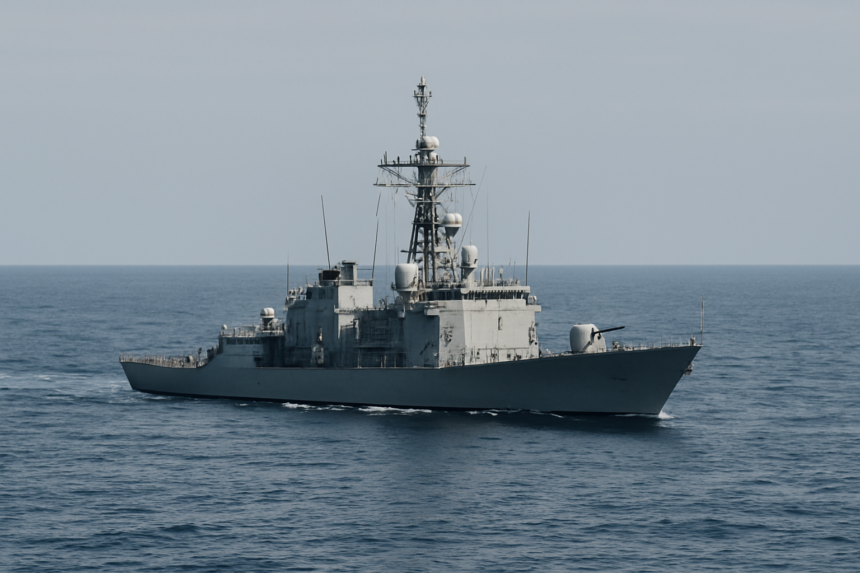
On June 10, the United States executed airstrikes against various military targets across Iran, marking a significant escalation in tensions following a fragile ceasefire established earlier this year. These airstrikes, aimed at military surveillance, communication systems, and air defense capabilities, were described by U.S. Central Command as a necessary response to ongoing Iranian aggression.
The Incident
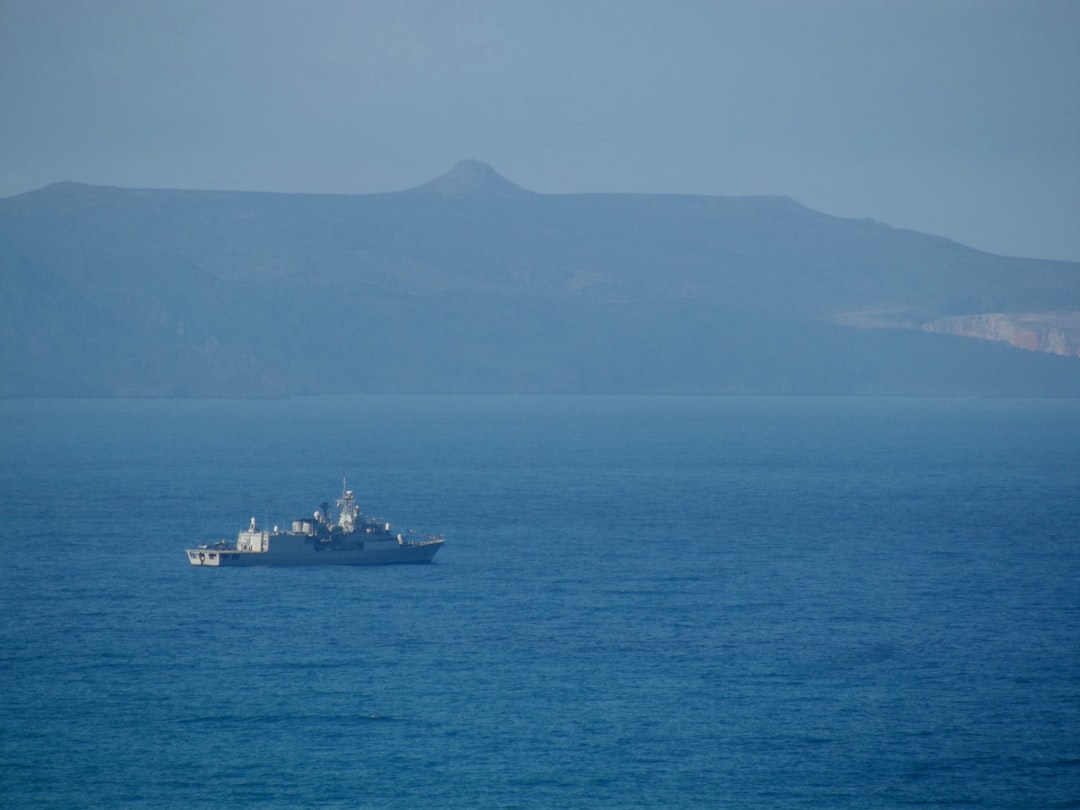
Launched shortly after midnight local time, the U.S. strikes targeted key installations believed to bolster Iran’s military capabilities. Central Command confirmed the operation’s completion approximately four hours later. In retaliation, Iran’s Islamic Revolutionary Guard Corps conducted counterattacks on 18 U.S. military installations located in Kuwait and Bahrain. Additionally, Iranian military leadership warned of potential attacks on any commercial vessels attempting to navigate through the strategically vital Strait of Hormuz, which has faced significant restrictions amid heightened hostilities.
Shipping Implications
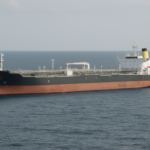
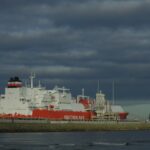
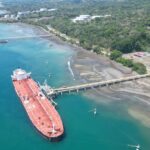
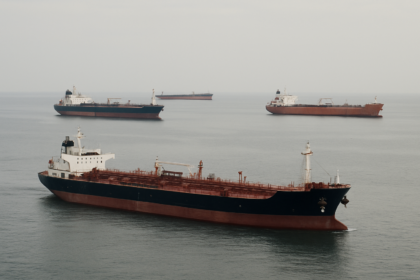
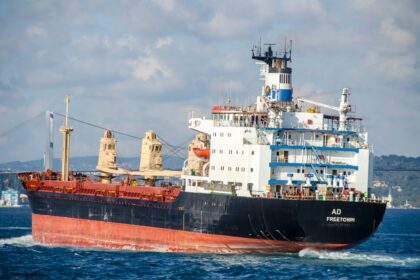
The threat posed to vessels in the Strait of Hormuz is of particular concern as this waterway is crucial for global maritime trade. While U.S. Central Command stated that commercial shipping activities persist in the strait, the Iranian threats raise substantial safety concerns for operators in this key maritime corridor. Ships sailing through the region could face increased risks due to the potential for escalated military engagements. Furthermore, previous attacks on commercial ships in the strait have already disrupted regional stability.

Market and Operator Response
Amidst the rising tensions, U.S. officials have highlighted the strategic necessity of maintaining pressure on Iran to facilitate a diplomatic resolution. However, with the conflict dragging into its fourth month and no clear path to negotiations, operators are advised to assess their risk management strategies. The pricing for war-risk premiums may see fluctuations as the situation evolves, prompting shipping companies to actively reconsider their routes and loading schedules.
The Operational Read
This intensification of military actions underscores the precarious nature of operations in the Strait of Hormuz, a chokepoint for approximately 20% of global oil trade. Shipping operators must remain vigilant regarding safety measures and potential delays due to unexpected engagements. With negotiations stalled and military posturing increasing, the importance of robust contingency planning and real-time monitoring of geopolitical developments cannot be overstated. Operators may also need to explore alternate routing solutions to mitigate risks from military-related incidents, particularly as the probability of collateral impacts on commercial shipping heightens.