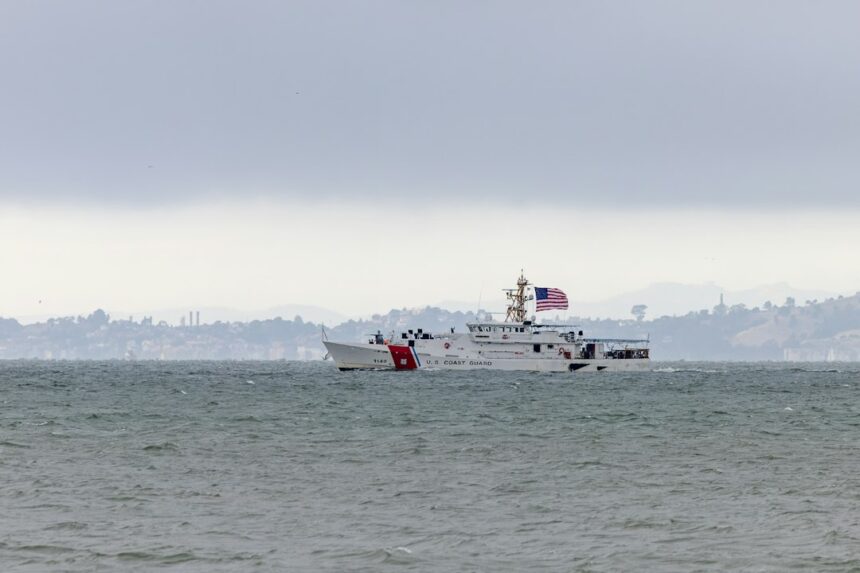
The U.S. Coast Guard has announced plans for a specialized salvage inspection of the damaged No. 2 diesel generator aboard the USCGC Healy, following a catastrophic engine failure earlier this year. This detailed assessment aims to identify components that can be reclaimed and reused, addressing operational concerns stemming from the vessel’s aging machinery.
The Incident
The generator failure occurred while the Healy was operating northwest of Port Angeles, Washington. On July 13, the vessel was towed to Seattle after experiencing an overspeed failure that led to a significant fire in Generator Room No. 2. This fire caused extensive damage to fire-detection equipment and wiring, resulting in a ground fault and necessitating major repair work.
In its statement of work dated October 21, the Coast Guard specified that the inspection would require a comprehensive, component-by-component assessment of the Sulzer 12ZAV40S engine. This involves measuring allowable clearances, evaluating component wear, and identifying parts suitable for reclamation, with findings documented in a comprehensive report supported by high-resolution photographs. Virginia-based Defense Maritime Solutions is expected to receive the sole-source contract for this work.


Operational Implications
The scheduled inspection will take place from October 26–30 at Coast Guard Base Seattle. Alongside this initiative, a separate procurement aims to address the maintenance needs for engines No. 1 and No. 3, which have accrued more than 40,000 operating hours without documented servicing. This underscores the significant operational challenges faced by the aging fleet, particularly as the Coast Guard navigates increased requirements for Arctic operations.
Concerns have been raised regarding parts availability, particularly following comments from Vice Commandant Admiral Kevin E. Lunday, who noted that many machinery systems aboard the Healy are antiquated and that sourcing parts can be problematic. The procurement documents also indicate that cylinder head part number 107.122.903.200 is not currently listed with active suppliers, complicating potential repairs should original manufacturers be unable to fulfill orders.
The Operational Read
This ongoing situation highlights the operational reality that older vessels like the Healy face significant challenges in maintaining reliability and readiness for critical missions. Given the unique demands of Arctic deployments, where timely and efficient operations are essential, the procurement strategy must not only account for immediate repairs but also long-term sustainability of aging vessels. Ship operators and the Coast Guard will need to monitor parts sourcing closely, as reliance on a limited supplier base could hinder operational capabilities. As the inspection progresses, the outcomes may influence future maintenance strategies and investment decisions across the entire fleet.