Update 12 Aug 2026, 20:33 UTC:
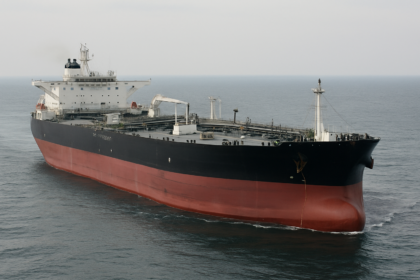
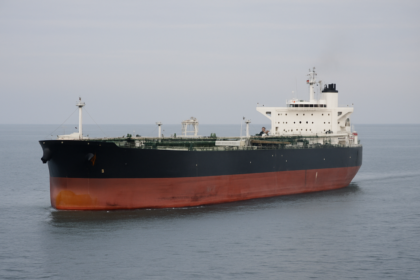
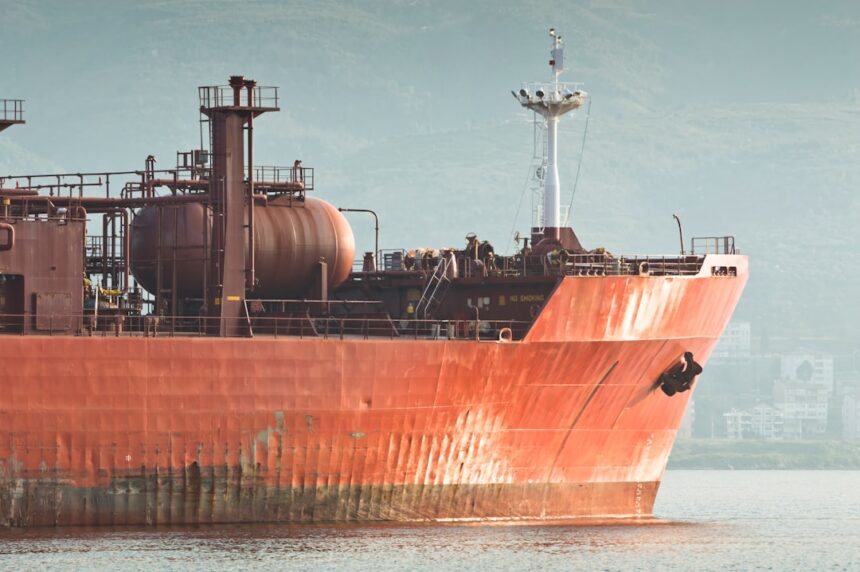
Freight costs for oil tankers shipping crude from the Black Sea to the Mediterranean have surged to unprecedented highs, largely attributable to recent drone attacks disrupting operations. As of now, daily earnings for tankers operating on the route from Novorossiysk, Russia, to Augusta, Sicily, have reached $440,948, marking the highest rate recorded since July 2008, according to Baltic Exchange data compiled by Bloomberg.
Market Dynamics
The increase in freight charges represents a 140% rise since early July, as noted by traders familiar with the market dynamics. This spike in costs has had a cascading effect, notably driving down the pricing for Kazakhstan’s CPC crude. With persistent drone threats affecting the loading operations at Novorossiysk, the volume of CPC Blend shipments is projected to fall by one-third this month compared to initial plans. This is significant, as repeated disruptions have forced several vessels to suspend calls at the terminal.

Impact on CPC Blend Pricing
As the market adjusts to these challenges, CPC Blend crude was recently priced at its lowest in over a year, with TotalEnergies SE reportedly purchasing 90,000 tons at $4.60 per barrel below the Dated Brent benchmark. The International Energy Agency has indicated that ongoing security concerns have led insurers to double war risk premiums in the area, which has contributed to a sharp decline in the average differential for CPC Blend to North Sea Dated crude.
Geopolitical Context
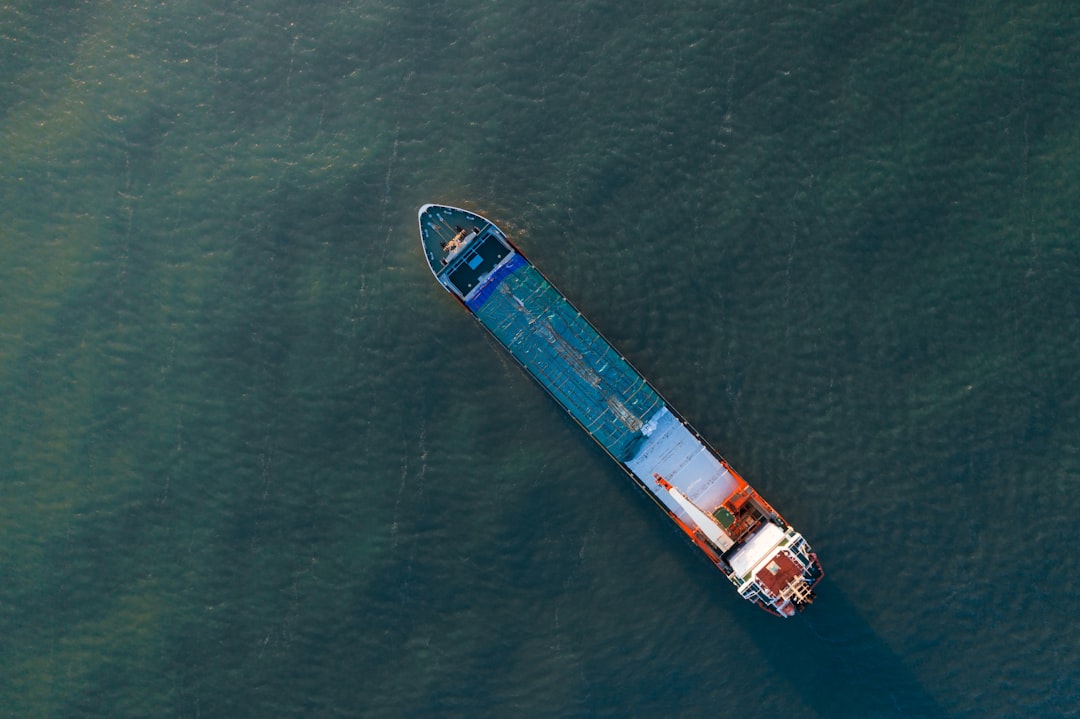
In a notable development, Ukraine has reached an agreement to refrain from targeting certain non-Russian oil tankers and critical Black Sea infrastructure essential for exporting Kazakhstan’s crude. This diplomatic move is aimed at stabilizing the situation and restoring some level of predictability in oil shipments, although market participants remain cautious, anticipating a potential drop in freight costs once operations at the export terminal stabilize.
Behind the Headline
The unprecedented rise in freight costs for oil tankers demonstrates how geopolitical tensions directly influence maritime logistics and oil pricing structures. Operators may need to adapt to rapidly changing conditions, including fluctuating freight rates and the threat of increased premiums from insurance providers. As shipping schedules become uncertain due to operational interruptions, the overall market may experience tighter supplies, prompting stakeholders to closely monitor developments in the Black Sea region and adjust their strategies accordingly. Attention should remain on the diplomatic engagements aimed at reducing hostilities, which could stabilize shipping routes and restore confidence among buyers.