Update 31 Aug 2026, 00:32 UTC:
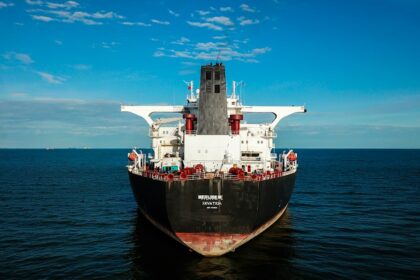
The number of visible commodity vessels transiting the critically important Strait of Hormuz has fallen to an alarming rate of five per day, as shipping companies exercise caution in the wake of ongoing attacks. Latest data indicates that traffic over the weekend consisted predominantly of smaller vessels, according to analysis from commodities firm Kpler. One notable transit included two liquefied petroleum gas carriers, one of which departed via the Iranian route, while the other navigated under cover of darkness en route to India.
In a stark contrast to daily operations, Friday saw a total of 14 vessels transiting the strait, including a very large crude carrier (VLCC) laden with 2 million barrels of Qatari oil that opted to operate without its transponder, a likely maneuver to evade detection amid escalating tensions.

The Recent Attacks
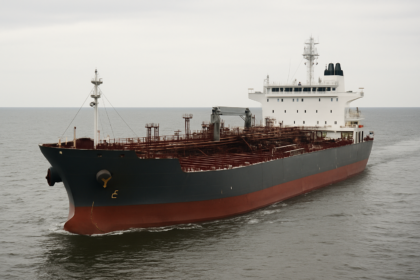
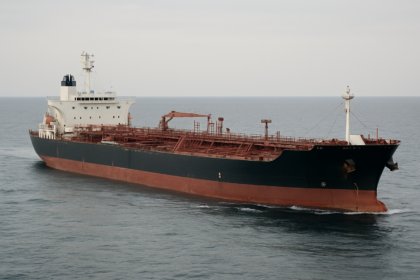
Incidents have surged in frequency, exemplified by the latest report from the United Kingdom Maritime Trade Operations (UKMTO) that indicated a tanker was struck by an unknown projectile while transiting into the strait on Saturday. This attack follows two earlier incidents this week, raising alarms about the safety of commercial operations in this strategic maritime corridor.
The heightened threat environment correlates with recent U.S. military actions, including airstrikes on Iranian missile launchers situated on Larak Island in the Strait of Hormuz. This marks the first U.S. strikes against Iran in approximately a month, which were reportedly targeted to deter further aggression towards commercial shipping in the region. As tensions mount, a total of 83 commercial vessels have been redirected by CENTCOM forces, while operational intelligence suggests a comprehensive approach to enhancing maritime security.
Market Repercussions
The substantial reduction in transits highlights the precarious state of shipping operations in the region. The significant drop is indicative of the risk that continues to loom over one of the world’s busiest maritime chokepoints, where approximately 20% of global oil trade transits. Operators now face escalating costs in the form of war-risk premiums, while many are reassessing their routing strategies to mitigate exposure to potential threats.
Moreover, the decision by certain ships to disable their automatic identification systems (AIS) complicates the already challenging threat assessment landscape. The inherent risks associated with transiting the Strait of Hormuz not only affect operational decisions but also present broader implications for the energy markets, as disruptions can ripple through supply chains, affecting oil pricing and availability.
The Operational Read
This latest downward trend in vessel transits serves as a crucial indicator of the current maritime security climate within the Strait of Hormuz. With reported attacks increasing and military engagements intensifying, ship operators must navigate these risks meticulously. Strategic adjustments to operational protocols, potentially involving enhanced security measures or alternative routing, may become imperative for fleet managers seeking to safeguard assets and crew. As regional dynamics remain fluid, stakeholders are advised to closely monitor updates from maritime authorities and assess their operational exposure accordingly.