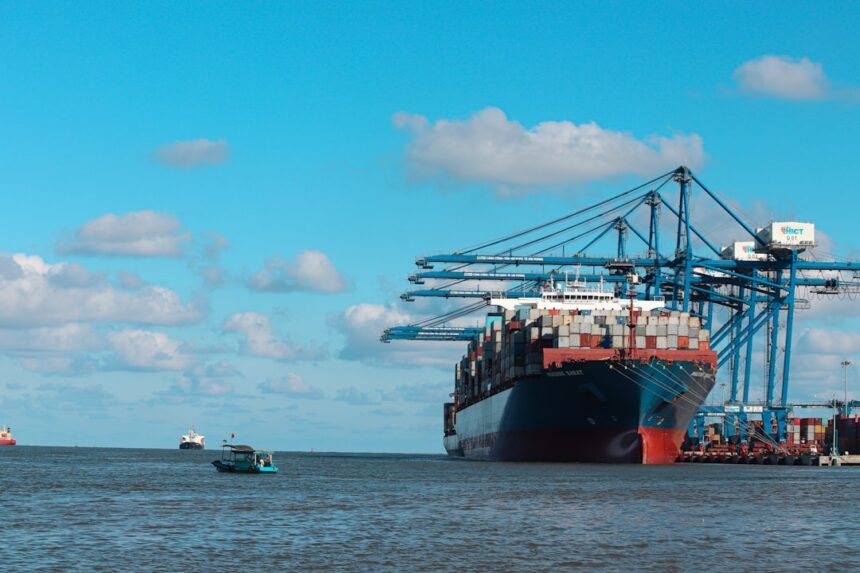
Somali pirates have hijacked the Cameroon-flagged general cargo ship Lutuf while it was navigating off the coast of Somalia. The attack occurred yesterday as eight armed men boarded the small vessel, which was built in 1995.
This incident is part of a troubling resurgence of piracy in the western Indian Ocean, an area previously known for such threats. The safety and condition of the crewmembers aboard the Lutuf remain unconfirmed, raising substantial concerns among industry stakeholders.
The Incident
Reports indicate that the hijacking took place in a region that has seen an uptick in pirate activity in recent months. This resurgence signals potential operational risks for vessels operating in these waters, which include crucial shipping lanes vital for global trade.

More Read
Market Impact
As a direct response to this incident and the broader piracy trend, shipping companies may face increasing insurance premiums and operational costs. The renewed threat of hijacking could lead to delays and rerouting, potentially impacting supply chains that depend on reliable shipping routes through the Indian Ocean.

Moreover, the rising insecurity can lead to heightened war-risk premiums, creating economic strain for operators. Shipping lines with active routes through the region may need to enhance their security measures, including onboard security teams or alternative routing to circumvent high-risk areas.
Operator Response
Shipping companies are likely revisiting their security protocols in light of the Lutuf hijacking. Many firms may enhance training for crews on board to prepare them for potential pirate attacks. Additionally, greater collaboration with maritime security forces and the implementation of best management practices will be crucial in mitigating risks associated with transit in these affected waters.
The Operational Read
The resurgence of piracy off the coast of Somalia poses significant operational challenges for maritime operators. The situation necessitates a reassessment of risk management strategies, particularly the implementation of enhanced security measures, vigilant monitoring of high-risk zones, and the potential engagement of armed escorts. As industry leaders take a proactive stance, the broader implications could impact cost structures and operational efficiency across the shipping sector, particularly for those relying on routes in the western Indian Ocean.