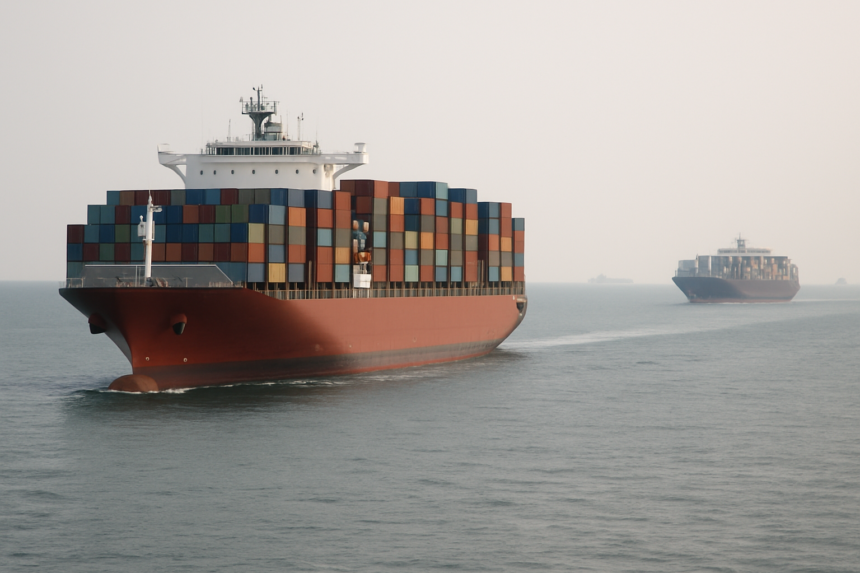
On Wednesday, the U.S. Treasury Department formally sanctioned Iran’s Persian Gulf Strait Authority (PGSA), citing its collaboration with the Islamic Revolutionary Guard Corps (IRGC) to extort commercial vessels navigating the strategically significant Strait of Hormuz. This action marks a significant intensification of U.S. measures aimed at combating Iran’s efforts to impose a permission-based transit regime within this critical maritime chokepoint.
The Sanction Details
The Treasury’s Office of Foreign Assets Control (OFAC) accused the PGSA of coordinating with both the IRGC and the IRGC Navy to compel vessels to adhere to Iranian-designated routes along Iran’s coastline. Additionally, the PGSA reportedly charges illegitimate fees for passage through the strait. In its announcement, Treasury issued a cautionary statement indicating that any cooperation with the PGSA might aid the IRGC, thus exposing companies to potential sanctions.
Treasury Secretary Scott Bessent highlighted that these sanctions reflect the increasing financial strain on Tehran, which is being exacerbated by the Trump administration’s “Economic Fury” campaign. He asserted that the Iranian military’s recent moves to exploit global maritime trade underscore its financial desperation, further emphasizing the U.S. commitment to constraining Iran’s network involved in its oil exports.

Iran’s Control Attempts
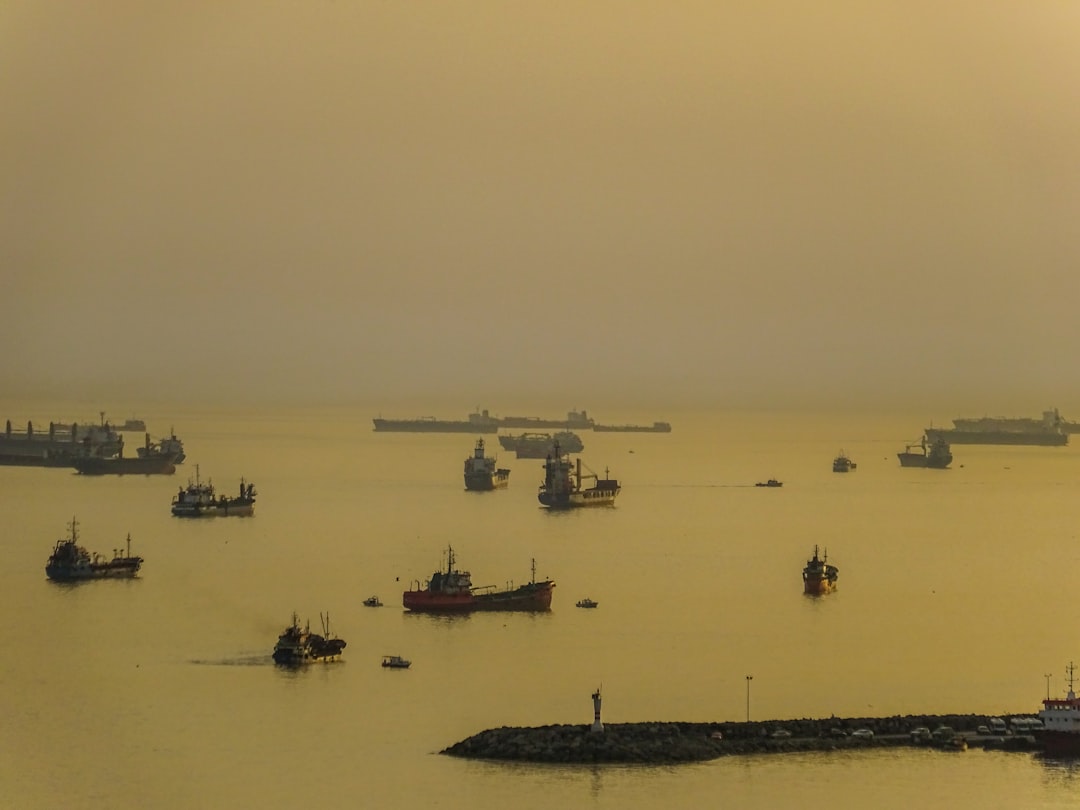
Recent developments have raised alarms among industry stakeholders about Iran’s bid to formalize its control over commercial shipping traffic in the region. Earlier this month, the PGSA established a public account on X, asserting its position as the legal authority governing transit through the strait. The organization has begun warning vessels that unauthorized transit may be deemed illegal and indicated that coordination with Iranian authorities and military forces is necessary for safe passage.
Maritime security firms and shipping executives perceive this as an effort by Tehran to create a de facto toll system over international shipping routes. OFAC’s guidance delineates that vessels must provide sensitive operational data to Iranian authorities in return for routing instructions from the IRGC Navy.
Broader Industry Implications
The sanctions have reinforced previous U.S. warnings regarding potential ‘toll’ payments associated with navigation through Hormuz. Any prohibited transactions might include direct payments, digital assets, offsets, and even informal arrangements with Iranian entities. Port agents, insurers, and maritime service providers operating in the region face increasing pressure to comply with these sanctions.
Furthermore, non-U.S. companies and foreign financial institutions could encounter secondary sanctions risk for facilitating transactions with PGSA or associated Iranian entities. The recent sanctions were enacted under Executive Order 13224, which enables the targeting of organizations linked to terrorism and financial support networks.
The Operational Read
The operational landscape for shipping companies transiting the Strait of Hormuz is expected to become increasingly intricate as a result of these sanctions. With Iran’s attempts to impose tolls and navigate its shipping regime, operators will need to exercise heightened diligence when planning routes and assessing compliance risks. The requirement for transparency in operational details may complicate cargo logistics and demand adjustments to risk management strategies, particularly for those with assets in the region. Close attention to updates from U.S. authorities and Iranian responses will be crucial as tensions persist and the international shipping environment continues to evolve.