Indonesian authorities have granted approval for the development of the Geliga gas field, a key initiative by Eni and Petronas that aims to enhance the country’s offshore production capabilities. The plan involves a comprehensive strategy that includes the integration of the Geliga field with the neighboring Gula field in the Kutei Basin, facilitating an increase in natural gas output from the region.
The Development Plan
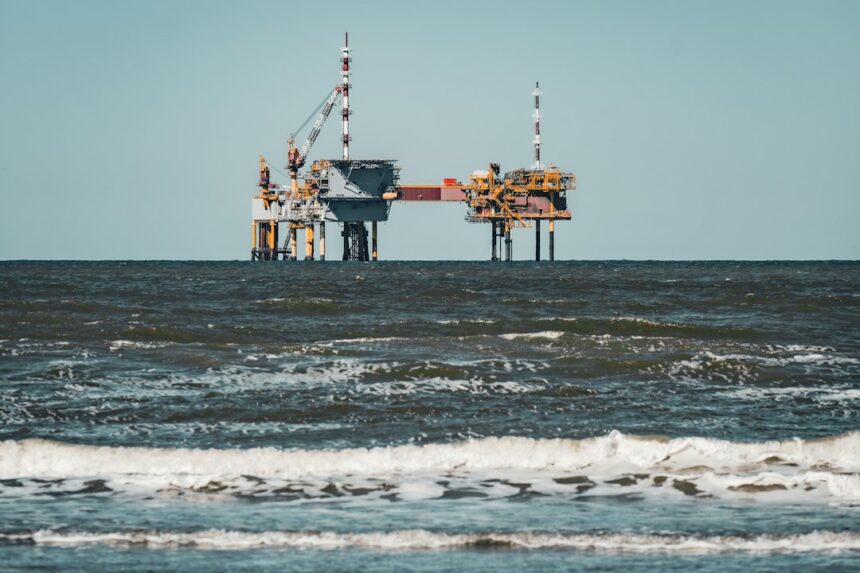
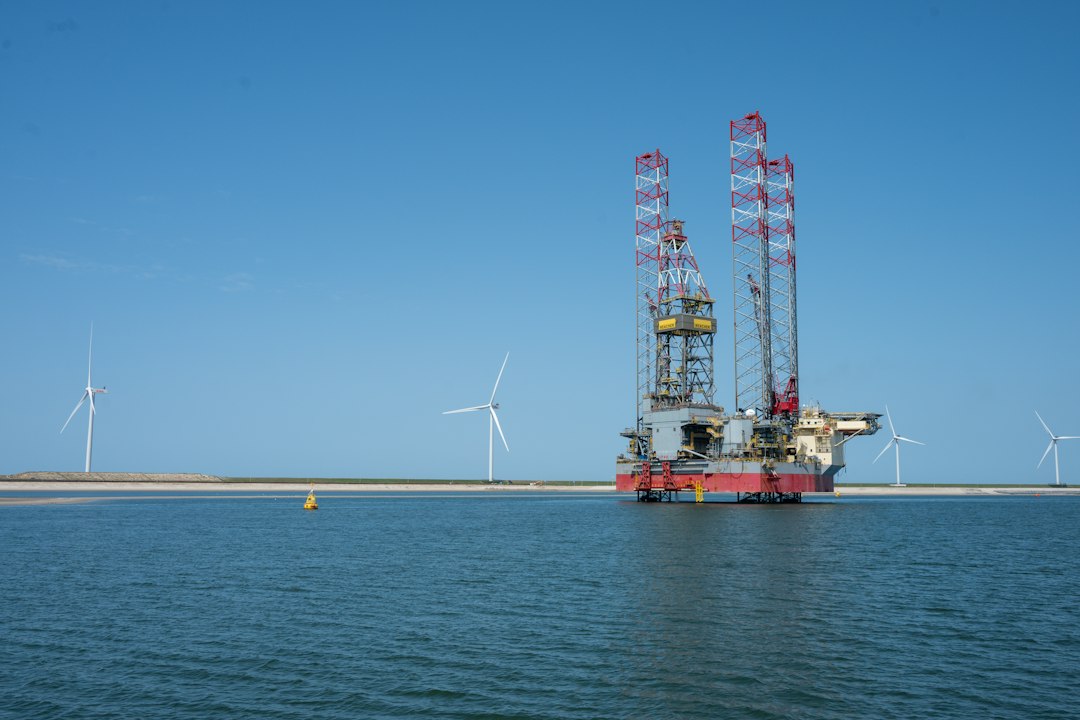
The approved development encompasses the deployment of a Floating Production Storage and Offloading (FPSO) vessel along with the establishment of 15 subsea wells. This marks a significant investment in offshore infrastructure, which is expected to bolster Indonesia’s position in the competitive Southeast Asian energy market. Eni, in its latest press release, highlighted the strategic importance of this project, reinforcing its commitment to sustainable energy solutions.
Strategic Implications
The integration of Geliga and Gula is set to enhance operational efficiency and production rates. This project aligns with Indonesia’s goals to ramp up its natural gas supply both for domestic needs and export markets. As the region focuses on energy transitions, the development of this deepwater hub underscores the growing demand for gas as a cleaner alternative to other fossil fuels.

Market Response
Following the announcement, market analysts are closely monitoring the potential impacts on regional gas prices and supply stability. The collaboration between Eni and Petronas also highlights the ongoing trend of partnerships in the energy sector, as companies seek to optimize resource extraction and comply with environmental regulations.
Behind the Headline
The approval of the Geliga gas field development reflects the operational complexities and long-term investments required in offshore gas projects. For operators, the deployment of FPSO units and subsea technology involves significant logistical planning and risk management. Stakeholders in the energy sector should be attentive to developments in regulatory frameworks and investment landscapes as Indonesia advances its offshore gas initiatives. The success of such projects will be critical for achieving energy security in a region that is increasingly pivoting towards natural gas as a preferred energy source.