On September 15, 2026, Russia’s diplomatic tensions with Denmark escalated following allegations of dangerous maneuvers by Danish military helicopters near Russian warships in the Baltic Sea. The Russian ambassador to Denmark, Vladimir Barbin, stated that he formally handed over a complaint to Copenhagen, highlighting the safety risks posed by the helicopter activities.
The Incident
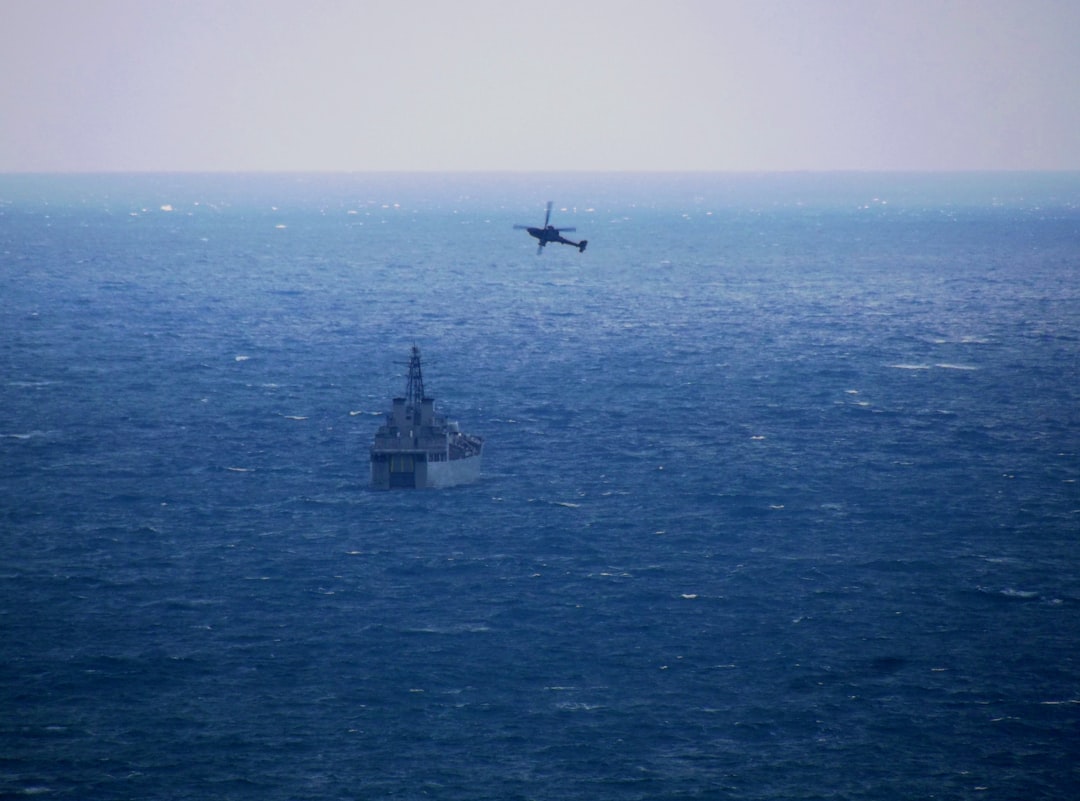
The incident that sparked this diplomatic engagement occurred on Monday when a Russian frigate allegedly fired two flares towards a Danish military helicopter operating in international waters off Denmark. The flares reportedly narrowly missed the aircraft, prompting further actions from Russian officials. Ambassador Barbin emphasized that the maneuvers conducted by the Danish helicopter had created a significant risk of collision, as well as potential interference with the operational equipment on board Russian vessels.
Barbin referenced a previous incident from September 2025, where he had raised concerns with the Danish Ministry of Foreign Affairs regarding low-altitude fly-bys conducted by a Danish Air Force helicopter over the Russian anti-submarine ship ‘Vice-Admiral Kulakov’. He reiterated that such activities impede maritime safety, citing they had not established necessary radio contact or responded to warnings during that prior event.


Diplomatic Repercussions
The Kremlin’s spokesperson, Dmitry Peskov, confirmed the receipt of Barbin’s complaint but refrained from providing details on the incident. The persistence of these military encounters reflects a broader context of heightened surveillance and military posturing among NATO and Russian forces in the Baltic Sea region. Russia’s actions in addressing these maneuvers underline the growing sensitivities surrounding aerial operations near naval vessels, which, if unregulated, can lead to escalating confrontations.
The Operational Read
This incident serves as a reminder for maritime operators about the complexities of navigating areas with increased military activity. The potential for miscommunication or unintentional engagements can have serious implications for safety at sea. Operators should remain apprised of both aerial and naval activities in the Baltic and adapt their operations accordingly, while also considering the implications of international military protocols. Vigilance in communication and an understanding of maritime boundaries remain crucial as geopolitics continue to shape operational risk profiles.