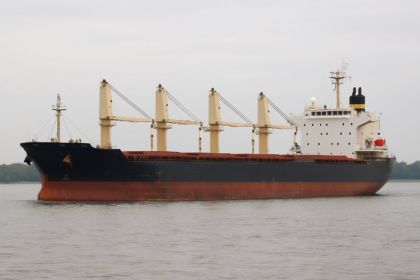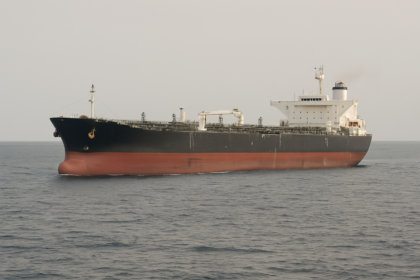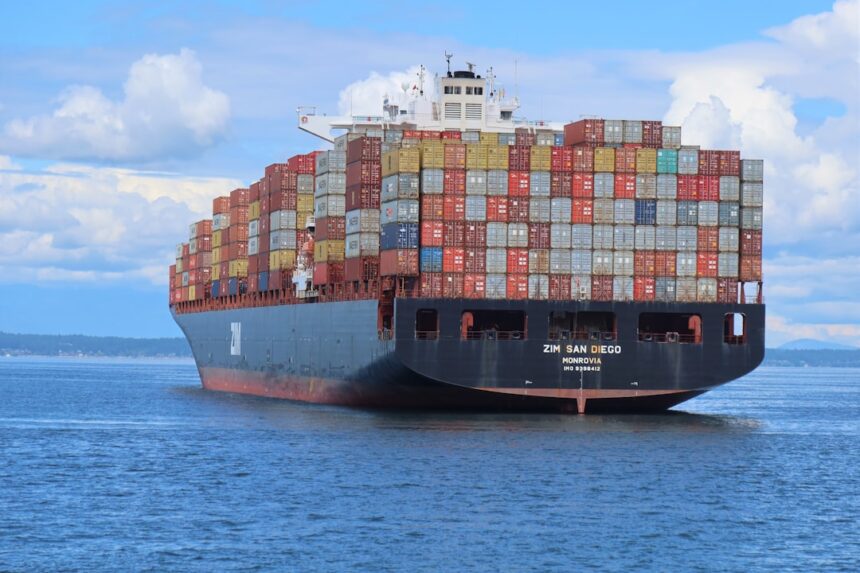
On 13 July 2026, US Central Command announced a renewed naval blockade of Iranian ports, effective 14 July, ending a 60-day ceasefire prompted by Iran’s attacks on commercial vessels on 7 July. This blockade has significantly impacted dry-bulk transits through the Strait of Hormuz, with average daily crossings plummeting by approximately 50% in the subsequent 24 days.
The waterfront dynamics have prompted a notable market reaction. The Baltic Dry Index (BDI) recorded a slight decline of 11 points to 2,732, although this position offsets gains observed in the Capesize sector, which continues to thrive. The Capesize Index (BCI) surged to 4,564, up 268 points day-on-day, bolstered by increasing daily earnings that climbed to around $37,892—a marked improvement over the previous week.
Market Overview
The Capesize market has reported robust performance, particularly on the Pacific run with C5 (West Australia–Qingdao), which saw prices increase to $14.45 per metric ton, reflecting a rise of 14% from the previous week. Conversely, the Supramax and Handysize segments exhibited weaknesses, with Supramax rates slipping to 1,609 and Handysize to 887, showcasing a stark contrast to Capesize’s growth.


Projected demand for Capesize vessels in the forthcoming weeks remains a central factor for operators. Based on assessments as of 31 July 2026, expected demand on the C3 route (Tubarão–Qingdao) is anticipated to exceed the forecasted vessel supply until late August, where a divergence is expected. On the C5 route, a similar trend is noted, indicating a tightening of supply as projected availability diminishes after mid-August.
Operational Implications
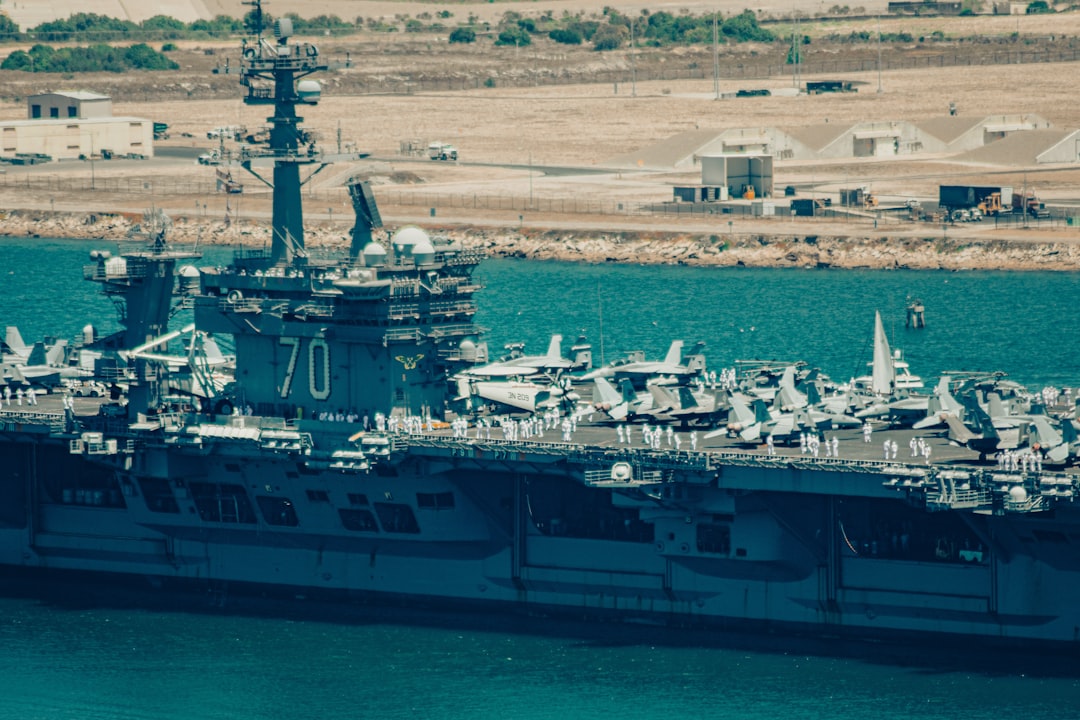
With the blockade in place, operators are urged to adapt swiftly to evolving maritime conditions. The substantial decrease in transits highlights the strategic importance of the Strait of Hormuz in global trade. As shipping volume declines, stakeholders must reconsider flexibility in routing and metering of freight costs to endure potential volatility in market pricing.
Furthermore, the increase in Capesize profitability juxtaposed with decreases across smaller segments signifies a shifting preference for larger vessels as the market reacts to heightened risks. Spot rates for Capesize may see further upward pressure if current trends continue, driven by ongoing demand against a backdrop of restrictive supply in the region.
The Operational Read
The renewed blockade amid geopolitical tensions elevates operational risks for shipping companies navigating the Strait of Hormuz. Operators must adjust logistics and strategic positioning promptly to mitigate potential disruptions. The notable decrease in dry-bulk transits underscores the need for proactive risk management, while the performance of the Capesize sector reflects broader market adaptability. Moving forward, stakeholders should remain vigilant to shifting demand patterns and geopolitical developments that could reshape the operational landscape in this pivotal maritime corridor.