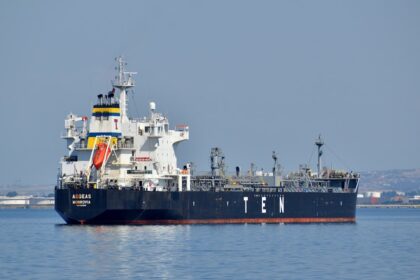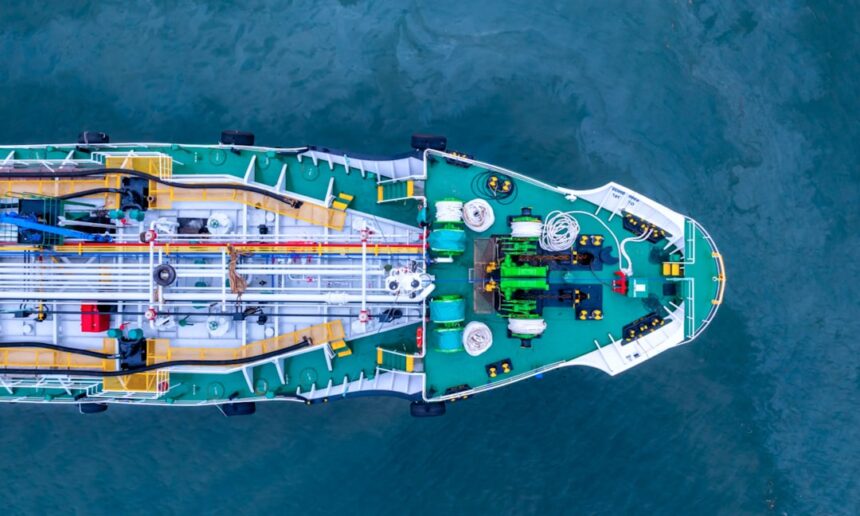
Qatar has successfully sent its first liquefied natural gas (LNG) shipment through the Strait of Hormuz since the attack on one of its tankers over three weeks ago. The Al Areesh, which had been idling in the Persian Gulf after loading at the Ras Laffan export facility in early July, began its journey on Thursday morning local time, with its transponder active as it entered the Gulf of Oman.
Significance of the Shipment
The delivery is particularly noteworthy as it signals a potential resumption of LNG exports from Qatar, following heightened security concerns prompted by the July 7 attack on the Al Rekayyat gas carrier. This development is critical for Pakistan, which has been awaiting the return of natural gas supplies from Qatar, aiming to mitigate the impact of spot market prices that have surged recently due to tight global supply constraints.
Regional Tensions Impacting Operations
Despite this positive news for QatarEnergy, the regional security landscape remains fraught with challenges. Recent escalations include multiple ballistic missile strikes launched by Iran against a U.S. base in Jordan, prompting a renewed wave of U.S. military responses. These incidents raise substantial concerns about the continuity and safety of LNG transit through the strategically significant Strait of Hormuz.

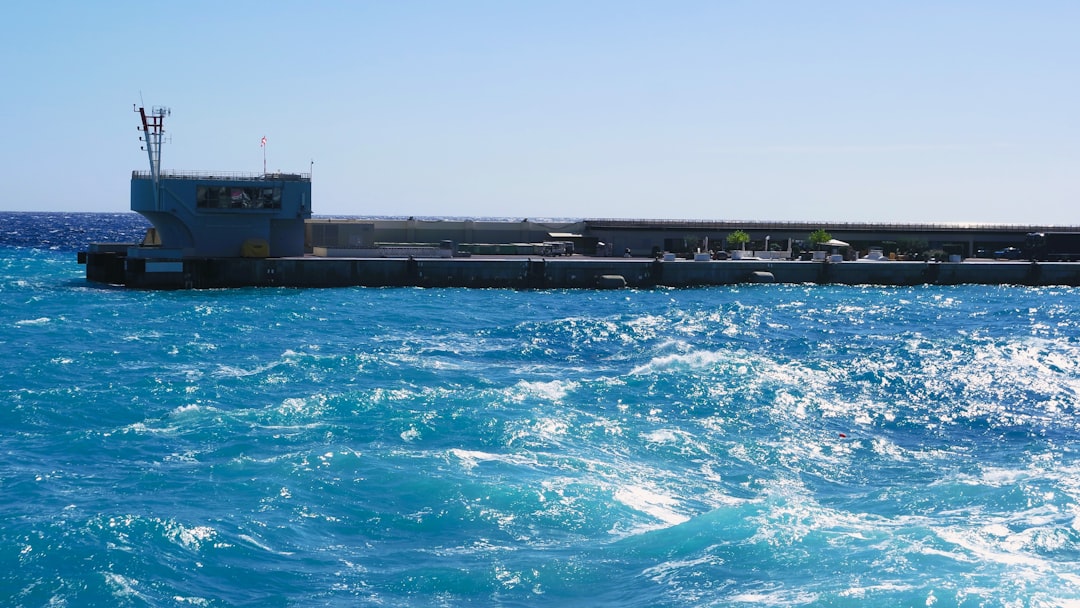
In addition to the Al Areesh, recent ship-tracking data indicate that more than a dozen vessels are currently on standby near Ras Laffan, suggesting that additional shipments may be forthcoming as Qatari operations gear back up. Concurrently, an empty LNG carrier associated with Abu Dhabi National Oil Co. recently transited the strait, indicating a dynamic shift in regional shipping activities.
The Operational Read
The resumption of LNG shipments through the Strait of Hormuz marks a critical point for QatarEnergy and the broader energy market. Operators should remain vigilant, as fluctuating geopolitical tensions can significantly impact shipping routes and costs, particularly in an already tight LNG market. Immediate procurement plans by countries like Pakistan create short-term opportunities but also highlight the vulnerabilities in supply chains affected by external threats. The interplay between regional diplomatic efforts and military actions will be crucial in shaping future LNG flows, affecting operators’ strategies regarding fleet readiness, chartering practices, and long-term contracts.