The Suezmax tanker market has experienced a notable resurgence in sales, with transactions increasing by 35% in 2026. This uptick reflects a total of 124 sales to date compared to 92 during the same period in the previous year, indicating heightened buyer interest driven by the strong performance of the Very Large Crude Carrier (VLCC) market.
Current Market Dynamics
As VLCC values rise, they inadvertently bolster demand for Suezmax tankers, which are considerably more affordable. Increased attention on Suezmaxes has catalyzed robust buying activity, as indicated by significant jumps in vessel values and timecharter rates. Currently, one-year timecharter rates have surged by 301% year on year, moving from $40,151 per day to an impressive $161,054 per day. This nascent momentum suggests that both buyers and sellers are keen to capitalize on favorable market conditions.
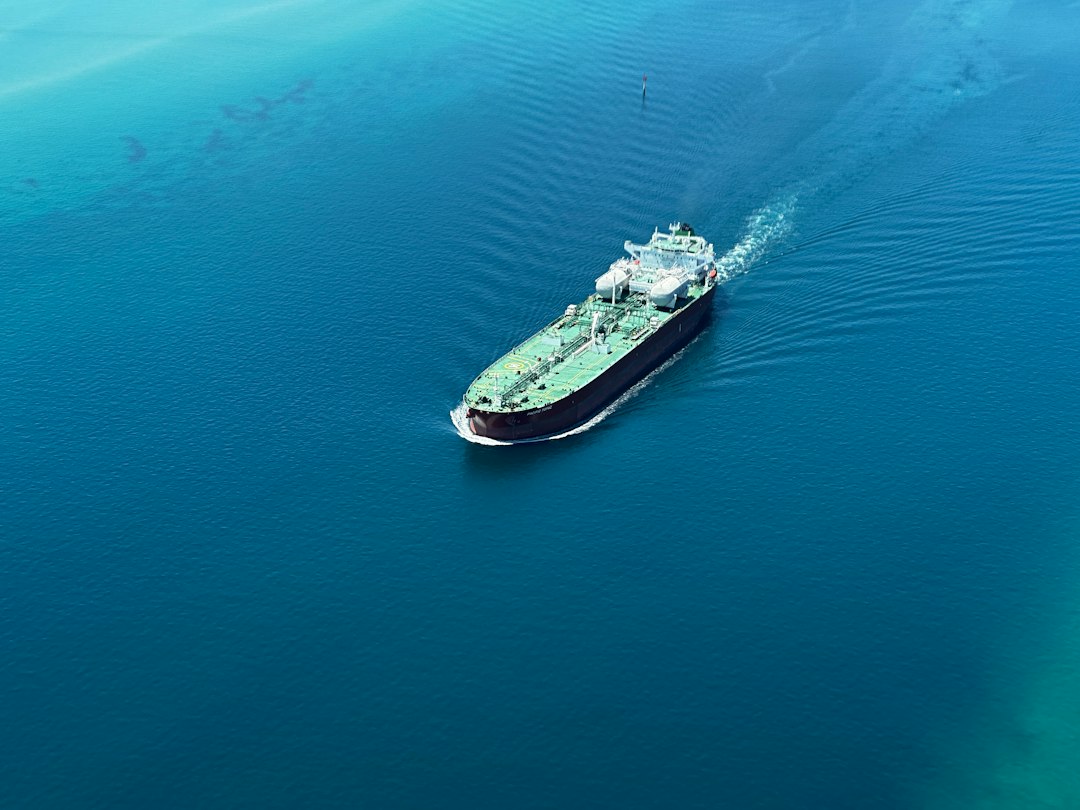
Geographical Trends and Sales Breakdown
Analysis reveals Greece as the leading buyer of Suezmax tankers, accounting for 21% of purchases in 2026. The UAE follows with 15%, while China ranks third with 8%. On the selling front, Greece has also dominated, responsible for 33% of sales, predominantly through Dynacom, which sold nine Suezmax vessels this year. Notable transactions include the sale of the Suezmax Achilleas and Maran Poseidon, fetching $98 million and $98.5 million respectively, emphasizing the growing value of this segment.

The escalating demand and rising values can be attributed to shifts in trading patterns that have rendered reliable tonnage more challenging to procure. As such, the Suezmax segment’s blend of affordability and versatility has become increasingly attractive. Unlike VLCCs, Suezmaxes can transit the Suez Canal fully laden, granting direct access between the Middle East and Europe while avoiding longer, more costly routes around the Cape of Good Hope. This operational flexibility positions Suezmaxes as a viable choice for charterers navigating the present shipping landscape.
Future Market Outlook
With VLCC values and earnings already elevated, Suezmax tankers are poised for continued growth as they offer a more flexible and economical alternative. Observing the upcoming weeks will provide crucial insights into buyer behavior and market stability as operators adjust to these dynamics.
Behind the Headline
The surge in Suezmax tanker sales illustrates significant shifts in the maritime landscape, driven by the interplay of VLCC pricing and operational challenges. For operators, Suezmaxes present a strategic option, leveraging their ability to access a diverse array of ports and transit options. As earnings remain strong, attention must be paid to how these trends will evolve, influencing market strategies and operational alignments in the wider tanker segment.