The ongoing maritime tension between the Philippines and China escalated this week with a series of confrontations at Scarborough Shoal, a crucial area in the South China Sea. On Friday, the China Coast Guard executed ‘control measures’ against multiple Philippine vessels, intensifying the ongoing dispute following similar skirmishes earlier in the week.
The Recent Clashes
The Philippine Coast Guard reported that its vessels faced aggressive maneuvering from the China Coast Guard, including the deployment of water cannons. This confrontation marks the third clash within the same week, following an incident where a Chinese vessel reportedly targeted a Filipino ship with a water cannon for over two minutes.
In a statement condemning these actions, the Philippine Coast Guard criticized the unprofessional conduct of their Chinese counterparts. Earlier this week, a Navy serviceman was injured during an altercation at Second Thomas Shoal, where China Coast Guard personnel assaulted the individual with a wooden baton. This escalation is viewed against a backdrop of heightened surveillance and military presence by the United States in the region.

Increased U.S. Involvement
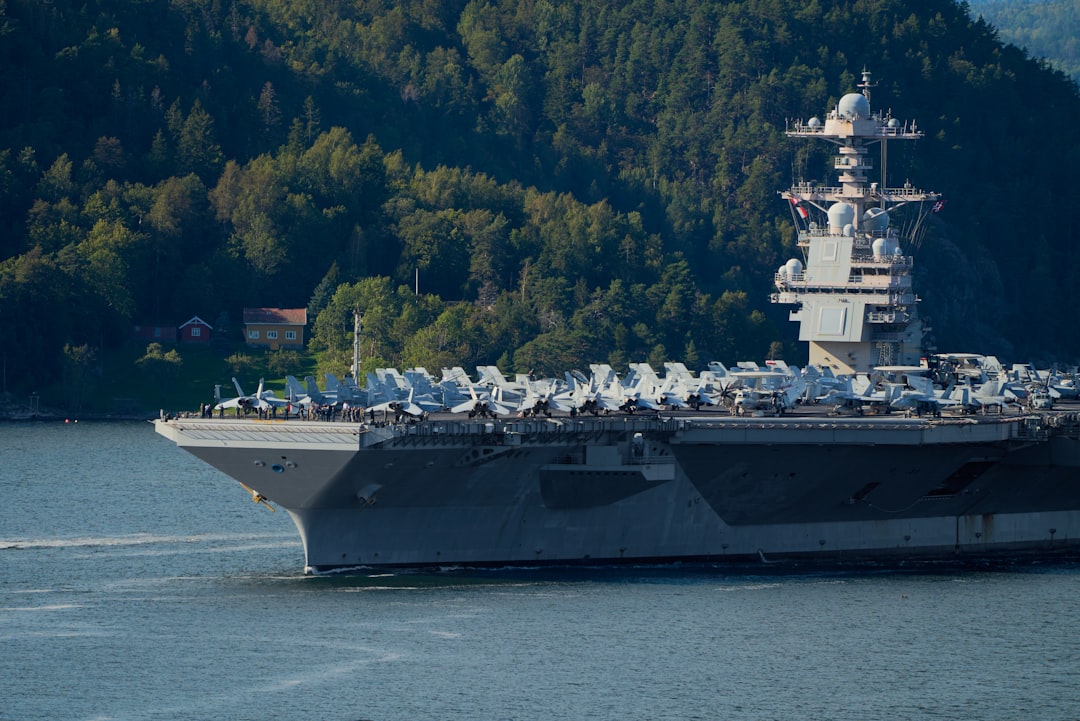
U.S. Secretary of State Marco Rubio’s recent visit to Manila coincided with an uptick in American military operations in the South China Sea. Following discussions with Philippine President Ferdinand Marcos Jr., Rubio assured that U.S. concerns would be elevated during upcoming talks with Chinese President Xi Jinping. The presence of the U.S. Seventh Fleet, exemplified by the George Washington Carrier Strike Group’s transit through the Luzon Strait, underscores Washington’s commitment to a mutual defense policy with Manila. This policing role becomes crucial as tensions continue to mount in one of the world’s busiest maritime conduits.
Historical Context
The backdrop of these confrontations lies in China’s effective control of Scarborough Shoal after a 2012 standoff, a claim that has not been recognized by an international tribunal ruling in 2016. Manila’s longstanding frustrations with China’s expansive territorial claims have prompted ongoing protests and diplomatic discussions. Just earlier this week, Philippine and Chinese foreign ministers exchanged strong worded protests, underscoring a diplomatic impasse that reminds observers of the fragile balance in the region.
The Operational Read
The recent escalation in confrontations at Scarborough Shoal signifies a critical juncture in the Philippines-China maritime tensions that could potentially disrupt regional trade and security frameworks. For shipping operators, the ongoing geopolitical friction necessitates an acute awareness of the shifting risk profiles associated with transiting disputed waters. The U.S. presence in the area serves as both a deterrent and a counterbalance, providing support to regional allies while reinforcing maritime security. It will be essential for stakeholders to monitor developments closely, particularly as diplomatic engagements evolve and military posturing continues in this key maritime zone.