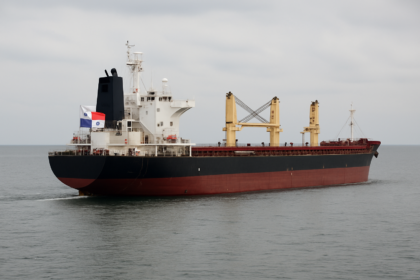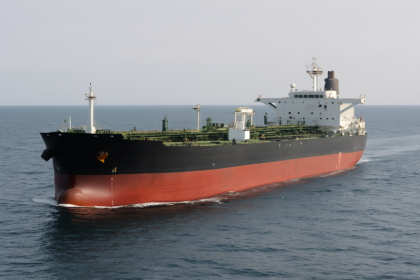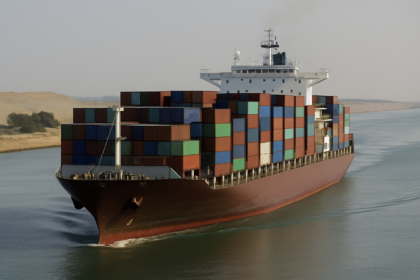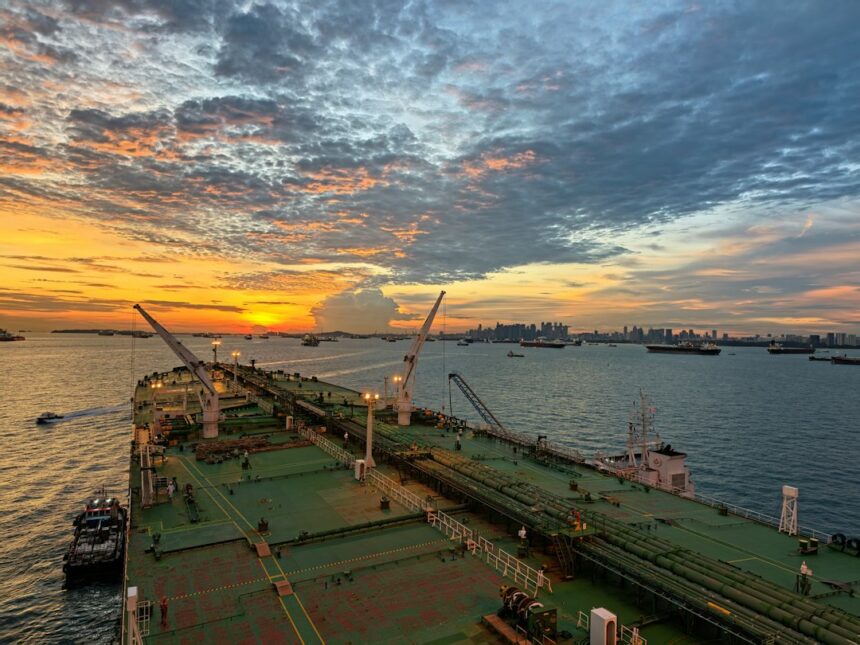
As U.S. President Donald Trump threatens renewed military action against Iran, commercial shipping in the Strait of Hormuz faces escalating economic pressures due to intermittent Iranian strikes. The ongoing conflict has not only strained Tehran’s economy, which has been severely affected by a U.S. blockade on oil exports, but has also triggered increased shipping costs that are reverberating through the oil market.
The Economic Impact
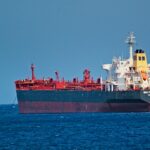
Iran’s economy, valued at approximately $300 billion, heavily relies on oil exports that have plummeted to a fraction of their prewar levels. With only a minuscule volume of the estimated 2 million barrels per day making it out of the country through land routes, the situation remains dire. On the other hand, U.S. operators are struggling with higher shipping costs as reports indicate that the price of chartering supertankers surged, in some instances even exceeding the cost of launching rockets into space.
According to U.S. Central Command, almost all Iranian attacks on vessels in the Strait of Hormuz have either failed or been intercepted. However, the threat of attacks has effectively inflated insurance costs, pushing operators to reassess their risk management strategies. Present conditions have prompted U.S. lawmakers to scrutinize fuel prices at a time when midterm elections loom, amplifying political fallout over energy costs.

Operational Risks and Threat Assessment
The ongoing incidents highlight a worrying trend: October alone saw a record of at least 28 open-source reports of strikes on shipping in the Strait. Notably, a significant proportion of these incidents involved attacks that damaged ships’ engine rooms, potentially incapacitating vessels and impacting supply chains. While the frequency of attacks has not dramatically increased, the severity of incidents reported underscores the risks of operating in the region.
Experts, including former U.S. Navy vice admiral John Miller, assert that Iran’s capacity to continue its “harassing fire” stance is bolstered by its stockpile of missile components. Although U.S. airstrikes have managed to degrade some of Iran’s manufacturing capabilities, the country has long prepared for an asymmetric conflict, making it resilient against conventional military tactics. The dilemma persists: how to effectively counter Iran’s ongoing blockade of shipping without escalating to full-scale warfare.
The Operational Read
The current climate in the Strait of Hormuz necessitates a careful reassessment of operational risk and strategy among shipping operators. The elevated insurance premiums indicate a clear reflection of the perceived danger, impacting charter rates and overall market dynamics. For operators, the risks are amplified by the dual forces of Iranian aggression and U.S. military posture in the area. Increased shipping costs and operational challenges persist alongside economic pressures in both Iran and the U.S. Stakeholders must remain vigilant, as any escalation could disrupt the already precarious balance of oil exports from the Middle East.