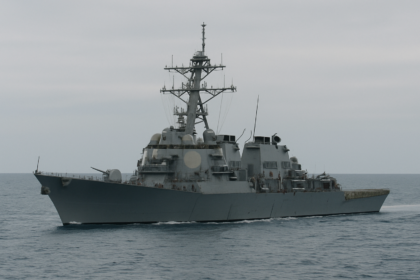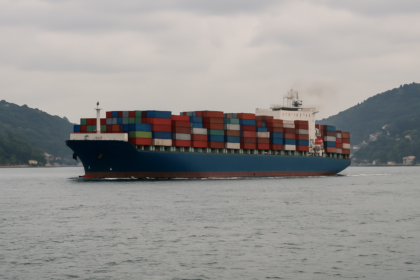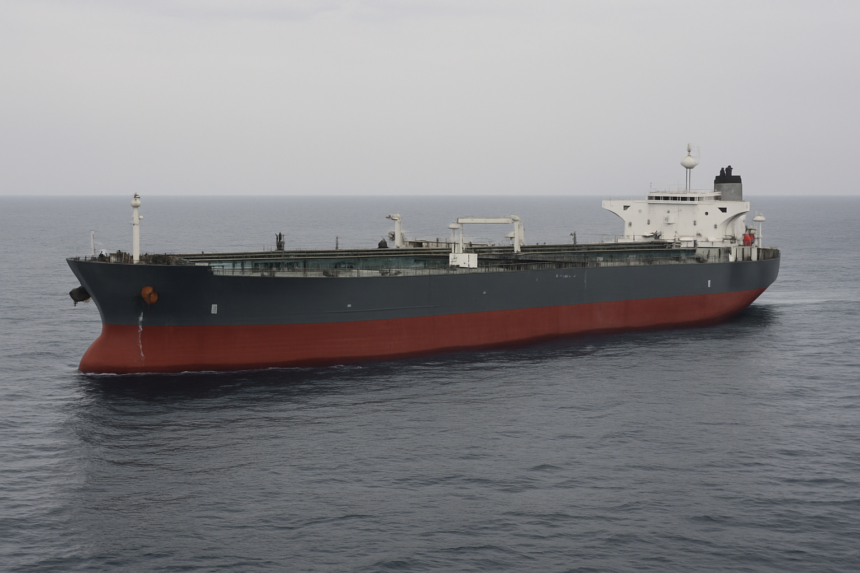
Confusion surrounding the Strait of Hormuz has escalated following conflicting statements from the United States and Iran regarding the navigability of this vital maritime route. Over the weekend, it was reported that the U.S. asserted the strait remains open to commercial shipping, while Iranian officials indicated otherwise, raising questions about safety and operational continuity for vessels in the area.
Operational Disruptions
The Strait of Hormuz is a critical artery for global energy supplies, handling approximately one-fifth of the world’s petroleum trade. However, operational realities suggest that vessel movements have dropped significantly in recent days, with activity reported at a fraction of normal levels. This decline can largely be attributed to apprehensions about safety and potential military encounters in the region, as vessel operators reassess their risks amidst a backdrop of geopolitical tension.
Market Implications
The uncertainty surrounding the strait’s status is likely to impact charter rates and shipping schedules. Operators may incur increased costs due to heightened war-risk premiums and possible rerouting to avoid the region altogether. This situation not only complicates logistics for energy transport but could also affect broader shipping operations across the Middle East.

The Operational Read
The ongoing tensions in the Strait of Hormuz reflect a critical juncture for maritime operators, with the operational landscape marked by a mix of political rhetoric and practical concerns. As vessel movements remain suppressed, operators must closely monitor developments and assess the viability of their routes. A proactive approach to risk management, including evaluating alternative transit options and securing adequate insurance coverage, will be essential. The potential for further escalation in political signals could lead to significant shifts in vessel scheduling and chartering strategies, warranting careful navigation in the coming weeks.