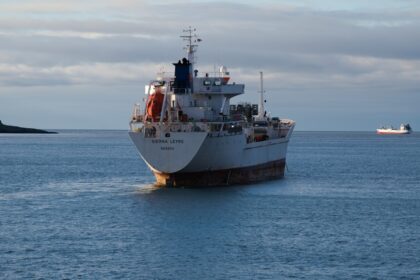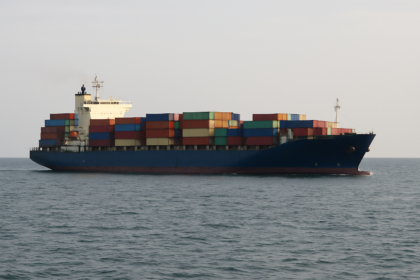
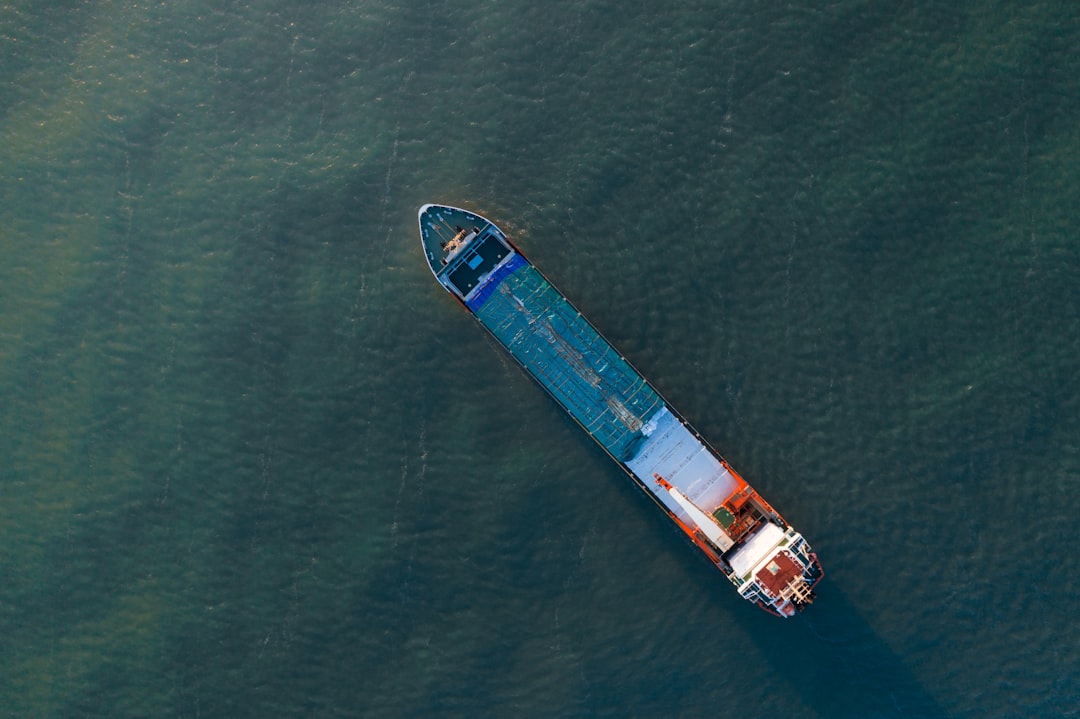
The ongoing U.S. naval blockade has resulted in a significant accumulation of Iranian oil tankers stranded off the country’s coast. As of Tuesday, reports indicate that approximately 50 laden vessels—primarily carrying crude oil along with fuels and liquefied petroleum gas—are idling in the Persian Gulf and Gulf of Oman. This marks an uptick from 45 vessels just a week prior and 36 at the blockade’s renewal on July 14, according to data from United Against Nuclear Iran (UANI).
The Effectiveness of the Blockade
Analysts suggest that the blockade is achieving its aim of disrupting Iran’s energy exports. Charlie Brown, an advisor to UANI, commented that the mounting number of vessels along the coastline reflects an effective strategy by U.S. forces. While tankers are still loading liquefied petroleum gas and other petroleum products from Iranian ports, the blockade limits the return of empty vessels for fresh loadings. UANI notes that they have not tracked any laden Iranian crude tanker successfully departing the Gulf of Oman without engaging with U.S. forces since the blockade was reinstated, though there is speculation some vessels may evade detection by deactivating their transponders.
Market Response and Demand Challenges
As the blockade proceeds, demand for Iranian crude in key markets remains under pressure. Recent reports indicate a scarcity of new offers for Iranian oil, particularly from China, which constitutes the main market for Iranian shipments. Traders have disclosed that sellers are holding back cargoes while seeking to command higher prices, influenced by the blockade’s pressures. Notably, offers for Iranian Light crude for delivery next month have tightened, dropping to discounts of around $4 per barrel below ICE Brent, reflecting a strengthening from previous weeks.

Moreover, the broader market dynamic indicates a reluctance from independent refiners in China, operating well below their capacity. As of July 31, these refiners, primarily located in Shandong province, were functioning at just over 48% capacity, in stark contrast to the five-year seasonal average of nearly 60%. This reduced activity has compounded into an increase in floating storage levels of Iranian crude, which have surged by 14% to reach 135 million barrels—evidence of the mounting operational challenges posed by the blockade.
The Operational Read
The restrictive measures imposed by the U.S. Navy are markedly shaping the operational landscape for Iranian oil exports. As idled tankers accumulate, the risk of congestion in shipping routes increases, potentially forcing operators to consider alternative logistics strategies. Charterers may face heightened uncertainty in trade negotiations, particularly as Iranian sellers adapt by adjusting pricing strategies in an effort to maintain cargo sales. Observers in the shipping industry should pay close attention to developments regarding potential diplomatic negotiations, particularly any interim deals that may arise. The interplay between geopolitical maneuvers and market dynamics in this context will be critical to watch as the blockage’s ramifications continue to unfold.