

Update 20 Oct 2026, 16:32 UTC:
The frequency and severity of Iranian attacks targeting commercial vessels in the Strait of Hormuz have reportedly increased, with specific damage focused on engine rooms. Data collected during the first two weeks of October indicates at least 23 incidents, five of which resulted in engine damage, according to sources including naval groups and maritime security consultants.
The Impact of Engine Room Attacks
Attacks on engine rooms can lead to significant operational disruptions for affected vessels, resulting in prolonged periods out of service due to extensive repairs. Sources reveal that certain attacks have caused fires and rendered ships powerless, reminiscent of tactical strategies employed during the 1980s Tanker War, where targeted strikes aimed to disable merchant vessels.



Potential Market Ramifications
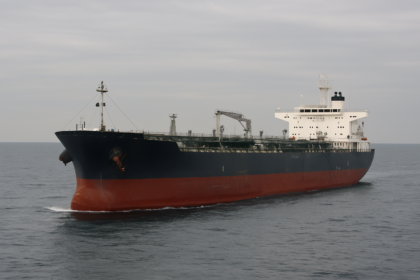
Despite the persistent threats posed by these attacks, Middle Eastern oil producers appear committed to maintaining export levels, with preliminary data indicating that oil exports have remained consistent compared to prewar conditions. However, the rising trend of engine-room damages raises concerns regarding the overall availability of tankers in the market. Analysts observed that during some days in October, charter rates for very large crude carriers (VLCCs) exceeded even the costs associated with launching a spacecraft, a clear indicator of the escalating operational costs in the region.
The current security landscape is further complicated by the shift in attack methods employed by Iranian forces, who are increasingly utilizing missiles rather than drones. These missiles tend to target the warmer sections of vessels, including engine rooms, and carry larger explosive payloads, amplifying the risk to maritime operations. Meanwhile, the challenges for operators seeking to navigate this escalation are also exacerbated by the lingering threat of attack. The long-term impacts on shipping logistics and oil transport costs remain to be seen as vessel operations continue under these intensified threats.
The Operational Read
The escalation of attacks in the Strait of Hormuz presents a critical operational dilemma for shipping companies, charterers, and crews. The rising frequency of incidents not only complicates vessel deployment but also poses significant risks to both lives and cargo. Operators must now balance the imperative to keep oil flowing from a strategic choke point against the costs associated with potential damages, repairs, and insurance. The potential for extended downtimes due to repairs could lead to supply chain disruptions, further inflating transportation costs and limiting the availability of tankers in an already constrained market. Shipping operators will need to implement enhanced security measures and reassess risk management strategies when considering routes through this high-risk region.