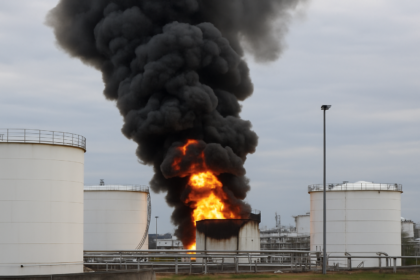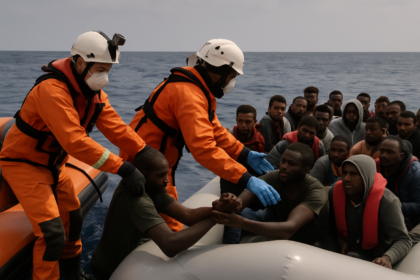
A fire aboard the Cyprus-flagged seismic research vessel Rem Andes led to the evacuation of 38 crew members on Monday, October 12, approximately 100 nautical miles south of Grand Isle, Louisiana. The United States Coast Guard reported that the vessel’s mayday call was intercepted by a C-27 Spartan aircraft from Air Station Clearwater, which promptly diverted to assist.
In total, 46 individuals were aboard the Rem Andes, with 38 evacuating into life rafts while eight crew members remained on board to combat the fire. Responding offshore supply vessels played a crucial role in facilitating the safe transport of the evacuees to Port Fourchon. Initial Coast Guard reports indicated the presence of 42 crew members, highlighting the swift nature of the emergency response.
The Rescue Operation
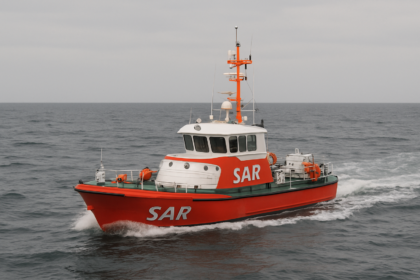
The rescue response involved multiple aircraft, including a HC-144 Ocean Sentry from the Coast Guard Aviation Training Center Mobile and an MH-60 Jayhawk helicopter from Air Station New Orleans. The timely intervention underscored the importance of coordinated rescue efforts in offshore incidents.

Post-Incident Developments
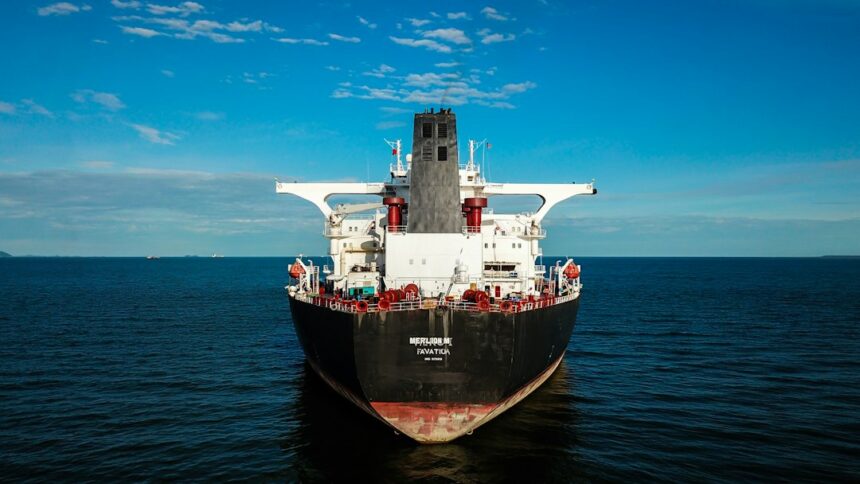
Following the extinguishing of the fire, the Rem Andes is now coordinating commercial salvage operations. Built in 2012 and operated by Norway-based Rem Offshore, the vessel is instrumental in conducting offshore seismic surveys and geophysical data collection for energy exploration activities. As investigations continue, the cause of the fire and the extent of the damage remain undisclosed, necessitating further action to ensure the vessel’s seaworthiness.
The Operational Read
This incident serves as a stark reminder of the inherent risks associated with offshore operations, particularly in the context of seismic research. The rapid evacuation highlights the importance of effective emergency protocols and the readiness of nearby support vessels. As operators analyze the circumstances surrounding the event, attention will turn to safety reviews and potential operational adjustments to mitigate future risks. The successful coordination of rescue efforts is a testament to the crucial role of maritime safety infrastructure, which must adapt continuously to evolving industry challenges.