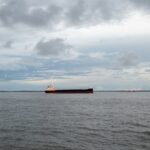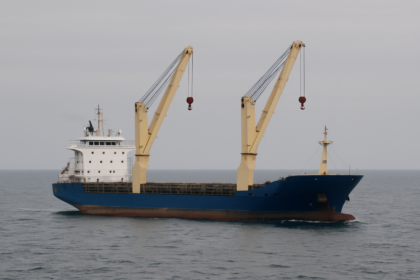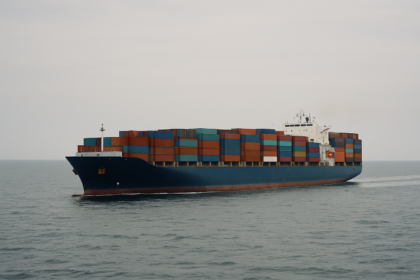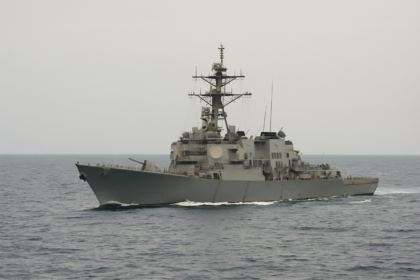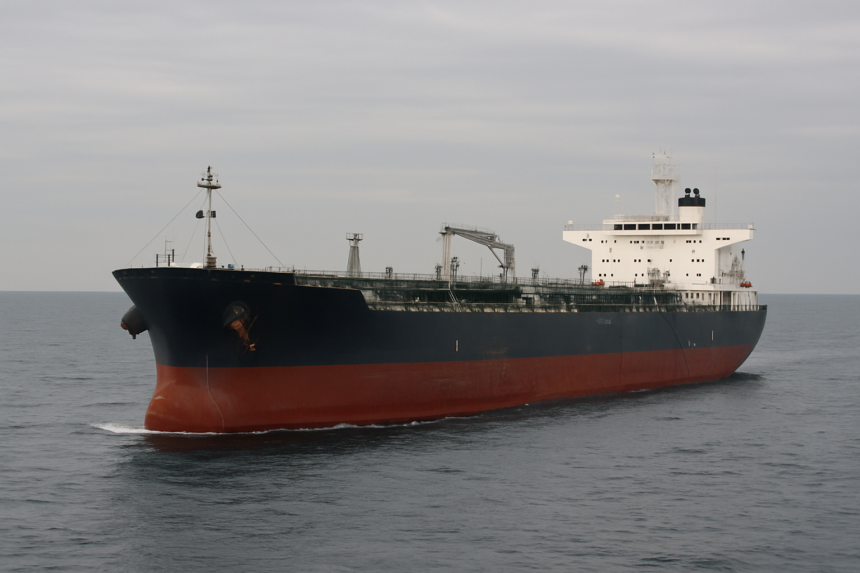
The Strait of Hormuz is under severe threat, maintaining its reputation as one of the most perilous waterways for maritime navigation. Recent reports confirmed multiple explosions in the area, raising serious safety concerns for vessels operating in this vital transit route.

The Current Situation
Despite advancing diplomatic efforts aimed at stabilizing the region, tensions in the Strait of Hormuz remain high. Vessels traversing this critical chokepoint continue to require military escorts for safe passage, indicating that the security situation has not significantly improved. Reports of explosions add to the concerns over potential disruptions to maritime operations, which are crucial for global trade.
Impact on Global Shipping
The Strait of Hormuz is a pivotal maritime route, with a substantial share of the world’s oil traffic passing through its waters. The need for military protection creates additional operational costs and uncertainty for shipping companies. As conditions fluctuate, operators must remain vigilant, adapting their strategies to address emerging threats while maintaining trade continuity.

Operator and Market Responses
With lingering uncertainties regarding safety and security, shipping companies are evaluating their operational protocols in the Strait of Hormuz. Some might consider rerouting their vessels to avoid high-risk areas, which can lead to increased transit times and costs. The ongoing volatility in the region necessitates close monitoring of developments and an assessment of potential impacts on freight rates and insurance premiums.
The Operational Read
The persistence of security threats in the Strait of Hormuz underscores the challenges maritime operators face in this highly strategic region. For crews, heightened risks translate into more rigorous safety protocols and potential delays in transit. Charterers must consider the implications of military escorts on laytime and demurrage, impacting overall shipping schedules. Continuous diplomatic engagements are crucial, but without a definitive resolution, operators should prepare for fluctuating security conditions and associated operational adjustments in the strait.