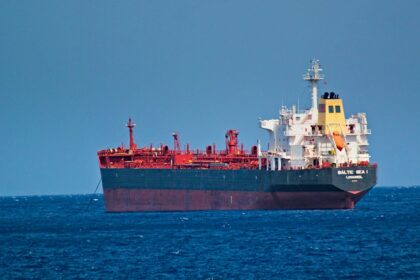


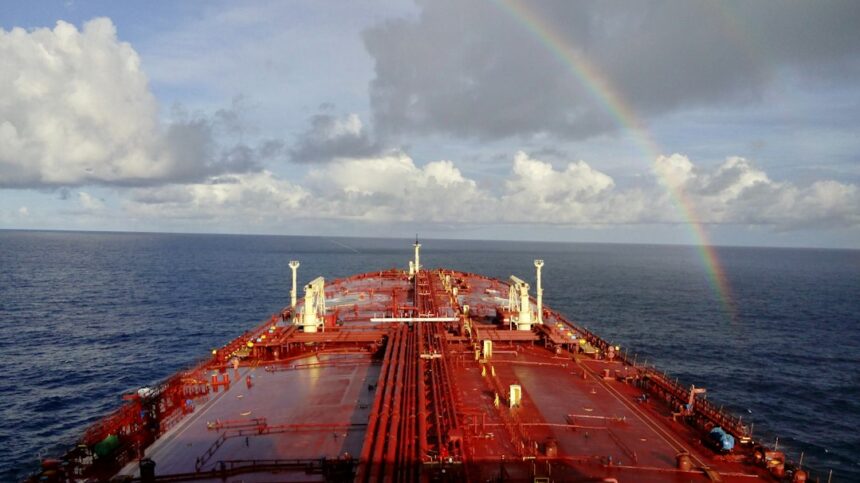
As of late September, the valuation of a 15-year-old Very Large Crude Carrier (VLCC) has surpassed that of newbuildings for the first time in maritime history. Priced at USD 139.2 million for a 310,000 DWT unit, this shift marks a significant turn in market dynamics, as newbuildings are currently valued at USD 138.7 million.
This trend reflects a broader inversion along the age curve, with a five-year-old VLCC now valued 55% higher than a newbuilding, at USD 218 million compared to USD 140.6 million. This gap of more than 50% represents the widest discrepancy on record, surpassing the previous peak of 21% observed in December 2007.
Market Drivers
The recent surge in secondhand VLCC values has been primarily propelled by exceptional earnings in the current market, particularly on the key Middle East to China route. Increased tensions and disruptions in the Strait of Hormuz have driven spot earnings to unprecedented levels, with one-year timecharter rates more than tripling year-on-year.

Older vessels provide owners with immediate access to these lucrative earnings, prompting a rush for purchasing existing tonnage. Data from VesselsValue indicates a dramatic increase in the sale of VLCCs aged 15 to 20 years, rising 87.5% year-on-year from 32 vessels to 60. A notable transaction includes the sale of VLCC Eurospirit (320,100 DWT, built in December 2011) which fetched USD 153 million, despite an assessed value of USD 165.75 million, highlighting the potential profit margins available to sellers.
Geographic Trends and Future Implications
South Korea has emerged as the largest buyer, accounting for about 67% of all VLCC sales this year, largely due to Sinokor’s substantial acquisitions. The United Arab Emirates follows at 8%, with Greece making up approximately 5% of transactions. While newbuilding activity has significantly increased, with 215 VLCC orders placed in 2026 alone, deliveries stretch into the 2030s, limiting immediate options for expansion.
Operators seeking to engage in trade during this economic climate find that purchasing older tonnage is more feasible than waiting for new vessels. With record earnings and an active sales market, the question looms: will the premium valuation of 15-year-old VLCCs hold steady if Hormuz-driven earnings experience a downturn?
Behind the Headline
The current inversion of values between secondhand and newbuilding VLCCs illustrates a critical juncture in the shipping market, primarily driven by unprecedented earnings opportunities. Older vessels offer operational readiness, aligning with market demands while addressing immediate earnings. This trend may influence procurement strategies among operators, impacting both the secondhand market dynamics and newbuilding orders. A close watch on geopolitical developments, particularly in the Strait of Hormuz, and their possible consequences on freight rates is essential for all stakeholders looking to navigate the evolving landscape.