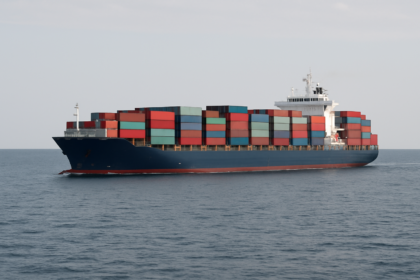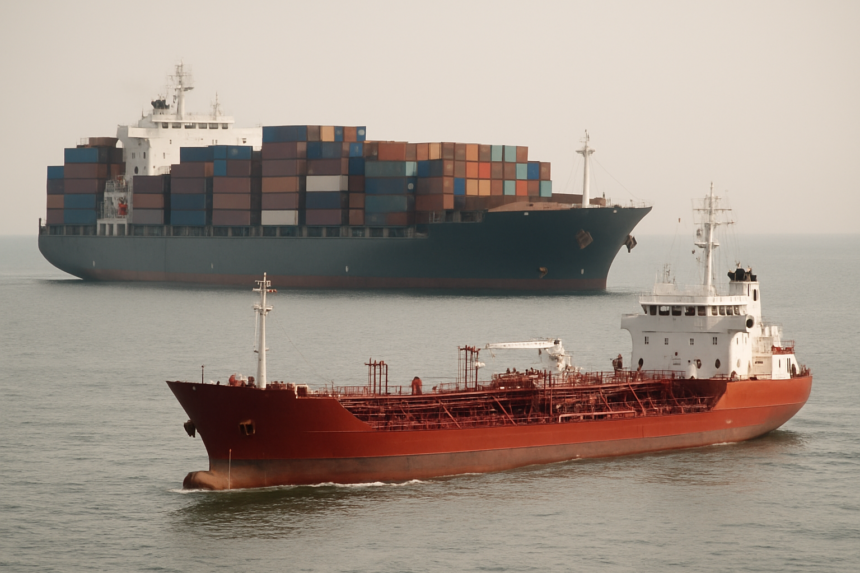
A recent ruling by a London Admiralty Court has confirmed that the owners of the containership Solong can limit their financial liability following a disastrous collision with the tanker Stena Immaculate in March 2025. Justice Andrew Baker delivered the judgment on May 22, emphasizing the strength of modern maritime liability protections under the 1976 Convention on Limitation of Liability for Maritime Claims (LLMC).
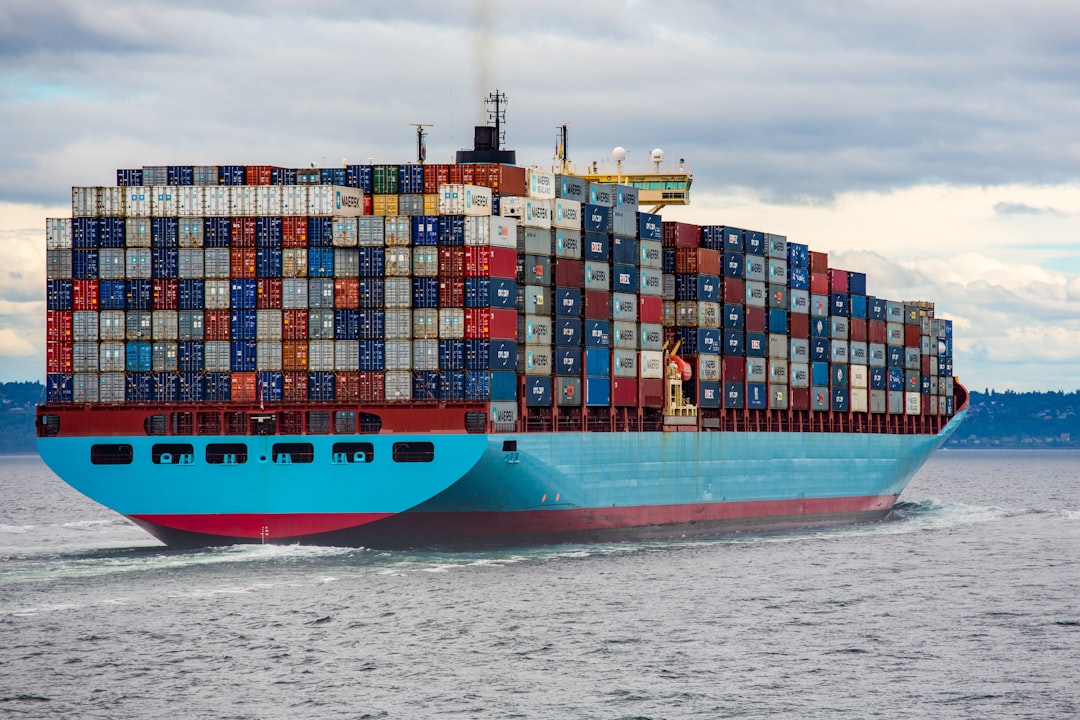
The Incident
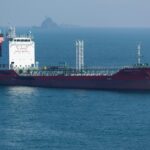
The collision, which occurred off England’s Humber coast, involved the Portuguese-flagged Solong striking the anchored Stena Immaculate at approximately 16 knots. The Stena Immaculate was carrying over 220,000 barrels of jet fuel at the time. Tragically, the incident resulted in the death of Filipino able seaman Mark Angelo Pernia and sparked an intense fire that burned for several days. The master of Solong, Capt. Vladimir Motin, was later convicted of gross negligence manslaughter due to failure to take evasive actions despite the tanker being visible on radar prior to the impact.
Legal Proceedings
The core of the court’s proceedings revolved around an attempt by the interests of Stena Immaculate to break the limitation of liability typically afforded to shipowners under the LLMC. They argued that reckless operational practices aboard the Solong, potentially known to shore-side management, constituted sufficient grounds for breaking this limitation. They invoked Article 4 of the LLMC, which allows for the removal of limitation rights in cases of intentional or reckless misconduct.

Justice Baker dismissed this argument, stating that there was no realistic basis to assert that senior management knowingly permitted the vessel to operate dangerously. He labeled the defense as speculative and unsupported by concrete evidence. The ruling also clarified the interpretation of “such loss” in Article 4, asserting that it refers to the type of loss involved rather than the precise circumstances leading to the collision. Consequently, even under this broader interpretation, Stena Immaculate’s interests failed to make a convincing case for breaking limitation.
Broader Implications
This ruling has significant implications for maritime liability as it confirms the LLMC’s intention to create a solid barrier for shipowners against financial claims. Baker referenced guidance from the International Maritime Organization (IMO), emphasizing that the liability shield is meant to be “virtually unbreakable.” The ongoing investigation into the collision by the Marine Accident Investigation Branch (MAIB) seeks to understand the underlying causes and circumstances, which may influence future operational practices and regulatory considerations.
The Operational Read
The recent court ruling highlights the complexities of maritime liability and emphasizes the need for ship operators to maintain meticulous operational standards and oversight. The decision underlines the importance of adhering to safety protocols to mitigate risks, especially in high-stakes environments involving hazardous cargo. While shipowners benefit from liability limitations, the consequences of operational negligence can lead to severe legal and financial repercussions. It is crucial for stakeholders to remain vigilant and proactive in addressing any potential operational shortcomings to prevent similar incidents in the future.