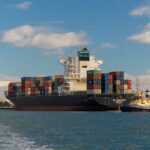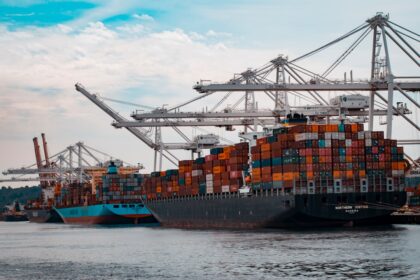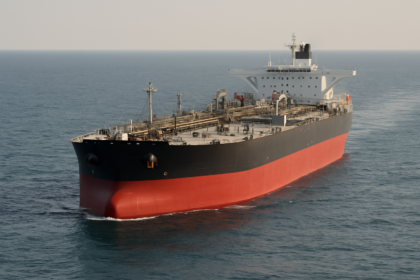
On 25 June 2026, the Singapore-registered container ship EVER LOVELY reported minor damage to its bridge after being struck by an unknown projectile while exiting the Strait of Hormuz around 10 PM Singapore Time. Fortunately, all 21 crew members aboard the vessel are safe, and there were no Singaporeans on board.
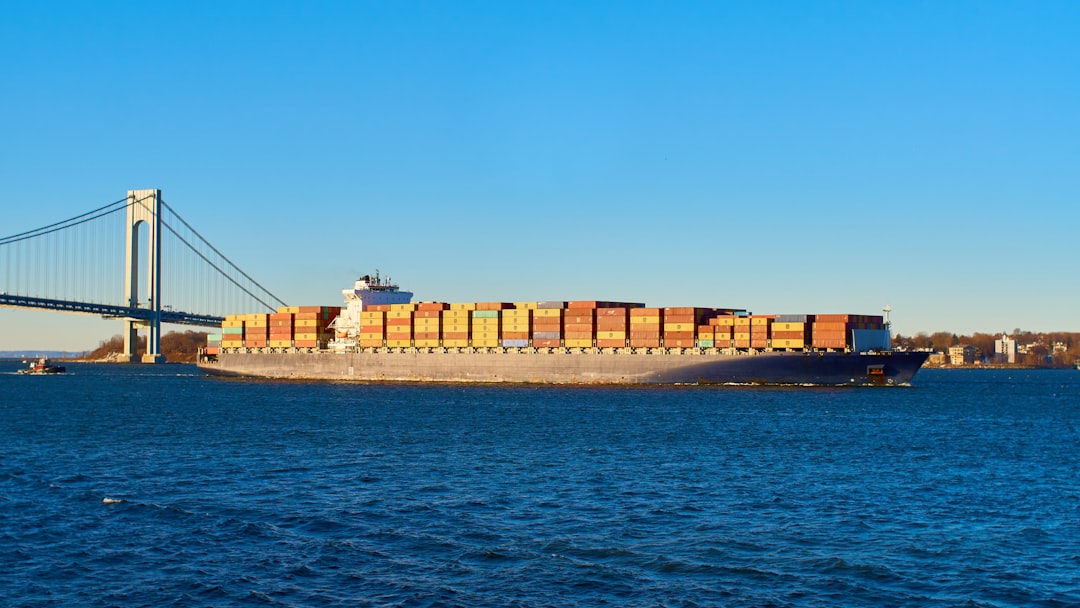
The Maritime and Port Authority of Singapore (MPA) acknowledged the incident and is coordinating with the vessel’s management company to provide necessary assistance. The MPA expressed deep concern over the unprovoked nature of the attack, describing it as unjustifiable and a breach of international law.
Safety Implications
The attack highlights ongoing security concerns in the Strait of Hormuz, a critical global shipping lane through which a significant volume of maritime trade transits. Incidents like this threaten not only vessel integrity but also endanger the safety of maritime personnel.

The MPA stated that all actions impacting international shipping must align with the United Nations Convention on the Law of the Sea to prevent jeopardizing the safety of seafarers and ships at sea.
Regulatory Response
In light of the incident, the MPA is expected to enhance its communications with shipping companies operating in the region. The aim is to reassess and fortify existing maritime safety measures, ensuring compliance with international protocols to safeguard vessels transiting high-risk areas.
While the vessel has continued its voyage post-incident, the broader implications for shipping operators navigating the Strait of Hormuz remain critical. Enhanced vigilance and operational readiness will be essential for mitigating risks associated with similar unprovoked attacks in the future.
Why It Matters
This incident underscores the fragile security situation in the Strait of Hormuz and the crucial need for stringent adherence to international maritime laws. Operators must prioritize safety and preparedness measures to protect crews and vessels in volatile zones. Continuous engagement with maritime authorities and reassessment of risk management strategies will be vital as tensions persist in key shipping corridors, influencing broader market dynamics and operational costs.