Update 08 Oct 2026, 18:35 UTC:
Tankers transiting the Strait of Hormuz are facing escalating risks as Iran has issued new threats to block routes deemed unauthorized for oil exports. This warning follows a significant uptick in attacks on vessels in this crucial maritime corridor, with recent events marking the highest incidence of aggression since the Iran war began. Sources indicate that the number of vessels attempting to navigate the strait has now reached a two-month low.
The Context of Threats
Iran’s threats have been characterized as part of a broader strategy agreed upon between its political leadership and the Revolutionary Guards. A senior regional official noted that any moves by neighboring countries to establish new routes for oil exports would be viewed as hostile actions. Iranian officials assert their determination to maintain control over the Strait of Hormuz, a critical passage for global oil shipments.

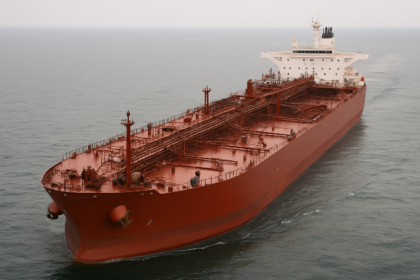
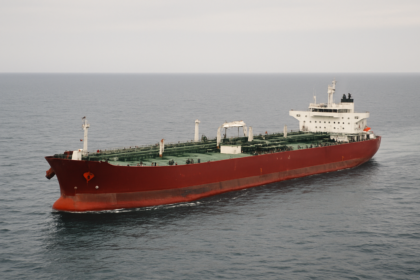
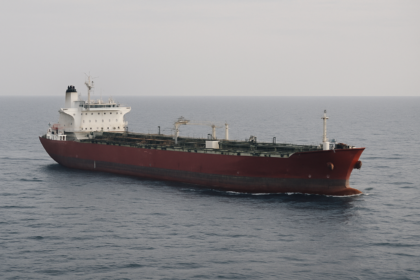
The recent attack on the chemical tanker Acers, which sustained projectile strikes approximately 51 nautical miles off the Qatari coast, underscores the immediate dangers for maritime operators in the region. This incident not only resulted in minor injuries to the crew but also raised concerns about the potential expansion of combat zones affecting maritime approaches to multiple Gulf states, including Qatar, Bahrain, Saudi Arabia, Kuwait, and Iraq.
Global Supply Concerns
Recent months have seen Gulf oil producers increasingly divert their shipments through pathways closer to the Omani side of the strait, transferring oil in open waters with the assistance of U.S. aerial support. This strategic shift arises from concerns over Iranian hostility, as shipowners exhibit cautiousness in planning their voyages through the Strait of Hormuz.
Market pressures are further exacerbated by ongoing geopolitical developments, with U.S. President Trump contemplating tactical responses to Iranian actions as tensions heighten in the lead-up to the November midterm elections. The current economic landscape is witnessing strained oil supply due to disruptions caused by both the conflict in the region and the ongoing war in Ukraine. This situation has led to significant withdrawals from oil stockpiles, contributing to a fragile market poised for potential price surges.
The Operational Read
For operators, the current environment presents heightened risks that impact operational decisions. The increased threats of missile and drone attacks, alongside aggressive posturing from Iran, necessitate a reevaluation of routing and risk management strategies. Shipowners may need to assess war-risk premiums and potential impacts on laytime and demurrage, particularly for vessels transiting high-risk waters. The volatile situation calls for ongoing monitoring of military movements and geopolitical developments, influencing both immediate actions and long-term strategic positioning in the region.