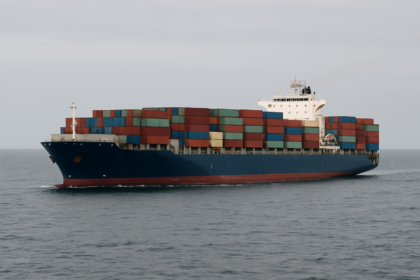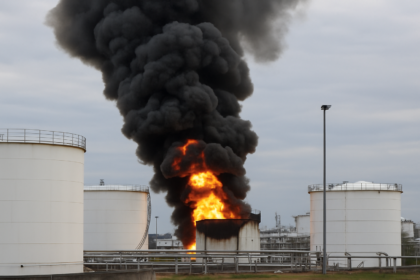


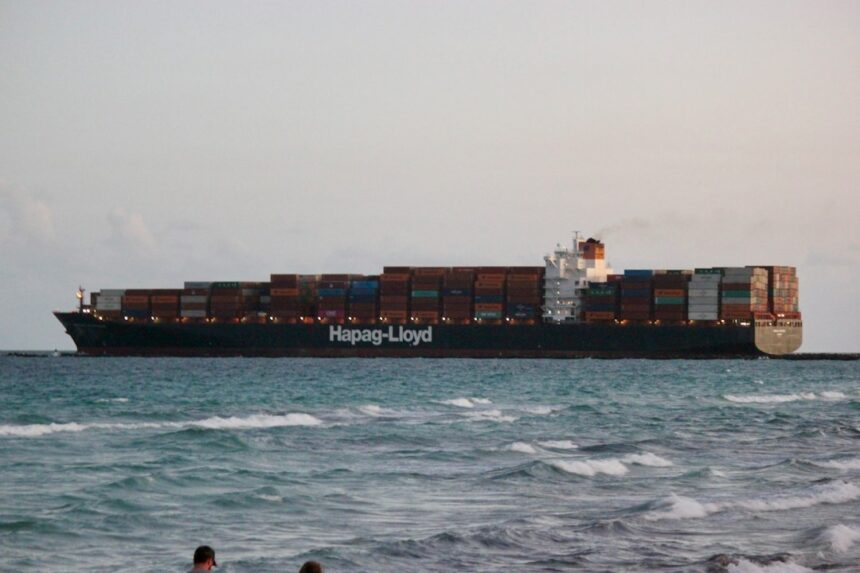
The container ship M/V Espírito Santo Express, operated by Hapag-Lloyd and Seaspan, was involved in a severe maritime incident on October 15-16, 2026, approximately 975 nautical miles northwest of Tristan da Cunha. An explosion aboard the vessel was followed by a major fire, leading to significant operational challenges.
The Incident
While navigating from Singapore to Santos, Brazil, the M/V Espírito Santo Express suffered catastrophic damage that resulted in the ignition of fires on board. The incident prompted immediate evacuation procedures, with all 25 crew members successfully rescued by nearby merchant vessels and an Embraer KC-390 aircraft from the Brazilian Air Force. As of October 19, 2026, the vessel remains adrift, facing ongoing fires and the disabling of its propulsion systems, necessitating specialized salvage operations.
Salvage Operations
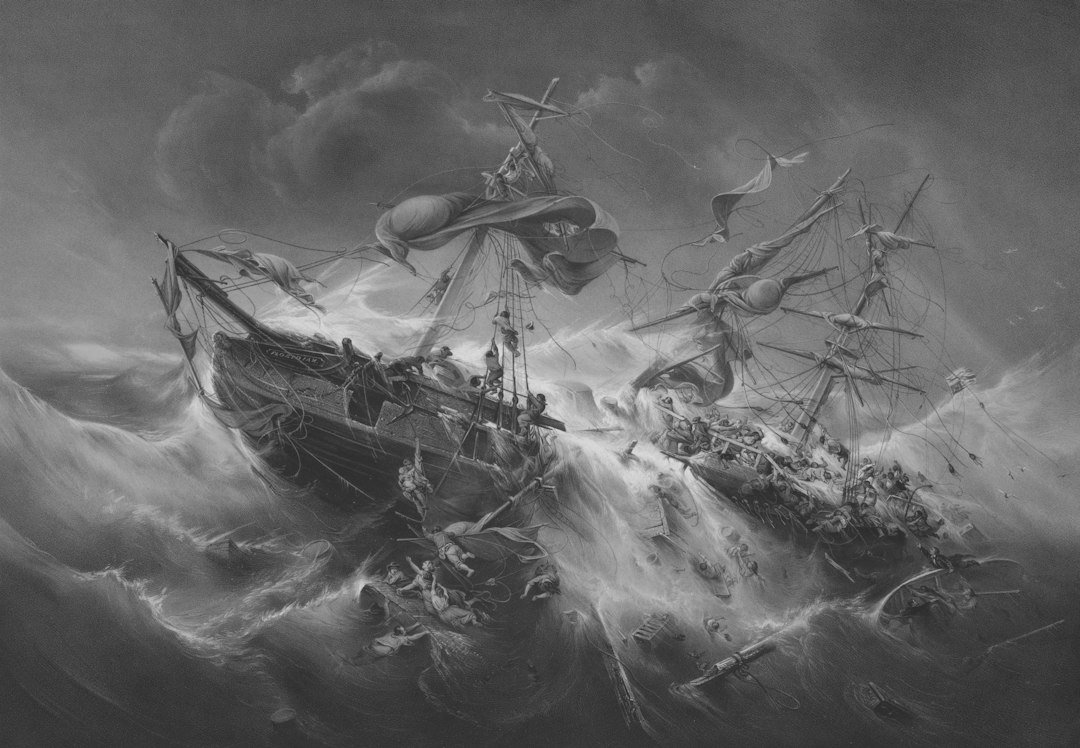
In response to the situation, vessel owners Seaspan and charterers Hapag-Lloyd dispatched high-power tugs and salvage experts to contain the fire and develop a towage plan once the structural risks decrease. The intent is to maneuver the vessel toward the South American coastline once conditions allow for safe operation. Coordination with firefighting teams is crucial to manage the scene effectively and reduce risks of secondary incidents.

Market Impact and Navigation Warnings
The M/V Espírito Santo Express incident has raised significant concerns within the maritime community. Urgent navigation warnings have been issued by NAVAREA V authorities, advising vessels in transit to maintain a safe distance from the area due to potential secondary explosions and falling containers. This situation not only impacts navigation but has broader implications for cargo interests and insurers, as critical evidence regarding cargo safety and liability is at stake. Prompt intervention is essential to safeguard cargo interests and assess exposure to potential losses.
The Operational Read
This incident underscores the operational realities of managing crises at sea. For operators and charterers, the balance between salvaging the ship and ensuring crew safety is paramount. The response team must focus on immediate firefighting without compromising environmental or structural safety. Additionally, the incident illustrates the necessity of robust case management for cargo interests, including legal and marine survey support to address liabilities and claims effectively. Stakeholders should monitor developments closely as the situation evolves, particularly regarding salvage operations and recovery timelines, while ensuring compliance with navigation advisories to avoid further risks.