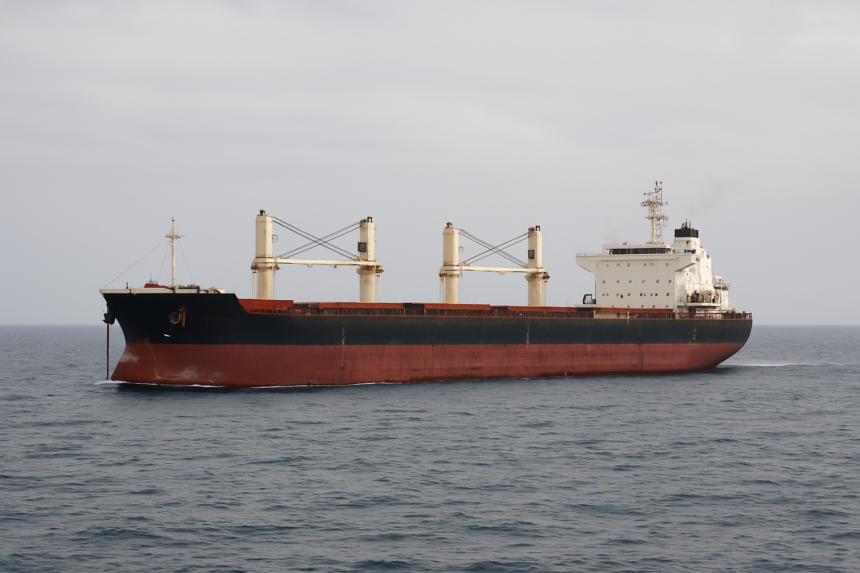
The International Association of Dry Cargo Shipowners (INTERCARGO) released its Bulk Carrier Casualty Report 2026, revealing that while the long-term safety record of bulk carriers is improving, new risks are emerging that could threaten this progress. From 2016 to 2025, 17 bulk carriers of 10,000 deadweight tons (dwt) or larger were lost, leading to the deaths of 71 seafarers. Despite the steady expansion of the global bulk carrier fleet, which reached 13,669 vessels by the end of 2025, the need for vigilance in addressing emerging threats has never been more critical.
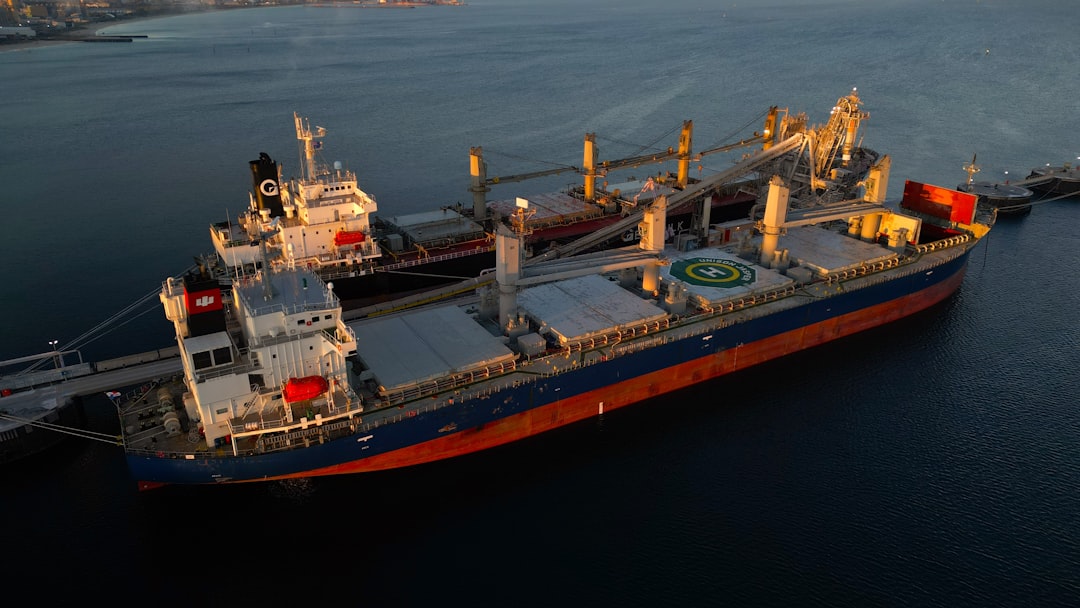
Trends in Safety and Losses
The report indicates a proportional decline in the rolling 10-year average of annual losses, attributed to improvements in ship design, better regulatory compliance, enhanced crew training, operational experience, and the introduction of new technologies. However, the report highlights that cargo liquefaction remains the most deadly risk, accounting for 37 of the 71 fatalities recorded during this period.
In a striking contrast, only four vessels in the 50,000-59,999 dwt size category were lost, yet they accounted for 37 lives lost, predominantly due to the risks tied to liquefiable cargoes like nickel ore. Additionally, groundings accounted for 41.1% of total vessel losses, marking it as the leading cause, while flooding incidents, though fewer, tragically resulted in 34 fatalities.


Emerging Security Threats
INTERCARGO emphasizes the necessity of implementing the International Maritime Solid Bulk Cargoes (IMSBC) Code to enhance safety measures. The report urges intensified cargo testing, improved declarations, and stronger enforcement measures by both flag and port states. Furthermore, the need for heightened training for ship and shore personnel, alongside expedited and transparent casualty investigations, has been underscored.
Significantly, five bulk carriers lost in the Red Sea and Gulf of Aden between 2024 and 2025 due to missile and drone attacks were excluded from the casualty report, indicating that while they did not fall under traditional operational casualty classifications, they highlight a growing security risk in the maritime sector. These attacks, which resulted in the loss of eight seafarers’ lives, signify an evolving risk landscape for commercial shipping operations.
The Operational Read
The findings of INTERCARGO’s report highlight a critical tension in bulk carrier operations, revealing the industry’s progress against the backdrop of new, complex risks. As incidents such as the loss of the 56,000-dwt Devon Bay remind operators of the persistent dangers associated with cargo liquefaction, the focus on safety must expand beyond traditional operational hazards. Moreover, the increasing frequency of conflict-related losses necessitates broader considerations for vessel security and crew protection. Going forward, more robust safety measures combined with comprehensive training and regulatory support will be essential to mitigate emerging risks while maintaining operational integrity in the growing bulk trade market.