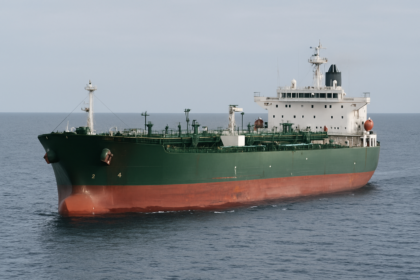
Ukraine has formally agreed to cease military operations against non-Russian tankers associated with Kazakhstan’s oil exports, a development that may significantly reduce operational risks for the tanker market. This agreement emerged following diplomatic interventions by U.S. officials, who sought to mitigate the impacts of the ongoing conflict on global oil supply routes.
Details of the Agreement
The ceasefire extends to tankers calling at the Caspian Pipeline Consortium (CPC) terminal located near Novorossiysk, provided these vessels are not on Ukraine’s sanctions list. Given that Kazakhstan relies heavily on this route for its crude oil exports, the agreement is seen as pivotal for regional energy security and tanker operations.
The CPC pipeline is critical for transporting oil to the Black Sea, particularly as geopolitical tensions have created an uncertain environment for maritime operations. This shift in policy by Ukraine indicates a potential re-evaluation of its approach towards shipping traffic that is not directly linked to Russia.


Market Implications
The decision to halt attacks could lead to a more stable market for crude oil tankers operating in the Black Sea. Operators are likely to view this framework as an opportunity to enhance the safety and predictability of their shipping lanes, potentially alleviating the elevated war-risk premiums that have plagued this segment of the market since the conflict escalation.
Investors and companies engaged in energy trade are closely monitoring this situation. If adhered to, the agreement is expected to solidify Kazakh oil exports, a significant part of the region’s energy supply chain. Moreover, it signifies a willingness for diplomatic resolution in maritime affairs amidst ongoing hostilities.
The Operational Read
This agreement reflects critical operational realities for shipping companies that depend on safe passage through contested waters. For tanker operators, the long-term stability of routes through the Black Sea remains a key concern, primarily due to fluctuating geopolitical dynamics. Companies need to assess risk management strategies that account for potential changes in escalation levels. Monitoring compliance with the terms of this agreement will be essential. Operators should prepare for a potential decline in war-risk premiums if the ceasefire holds, allowing for more favorable chartering conditions. Over the coming weeks, stakeholders will be particularly vigilant for signs of adherence or breaches by either side, which could directly impact shipping operations in the region.